
You can keep seahorses in the UK, but you’ll need to pay attention to laws and permits. Don’t take them from the wild—some activities require licences, too.
If you want a pet seahorse, buy one that’s captive-bred from a trusted dealer. Double-check for any paperwork you need, like CITES or trade documents.
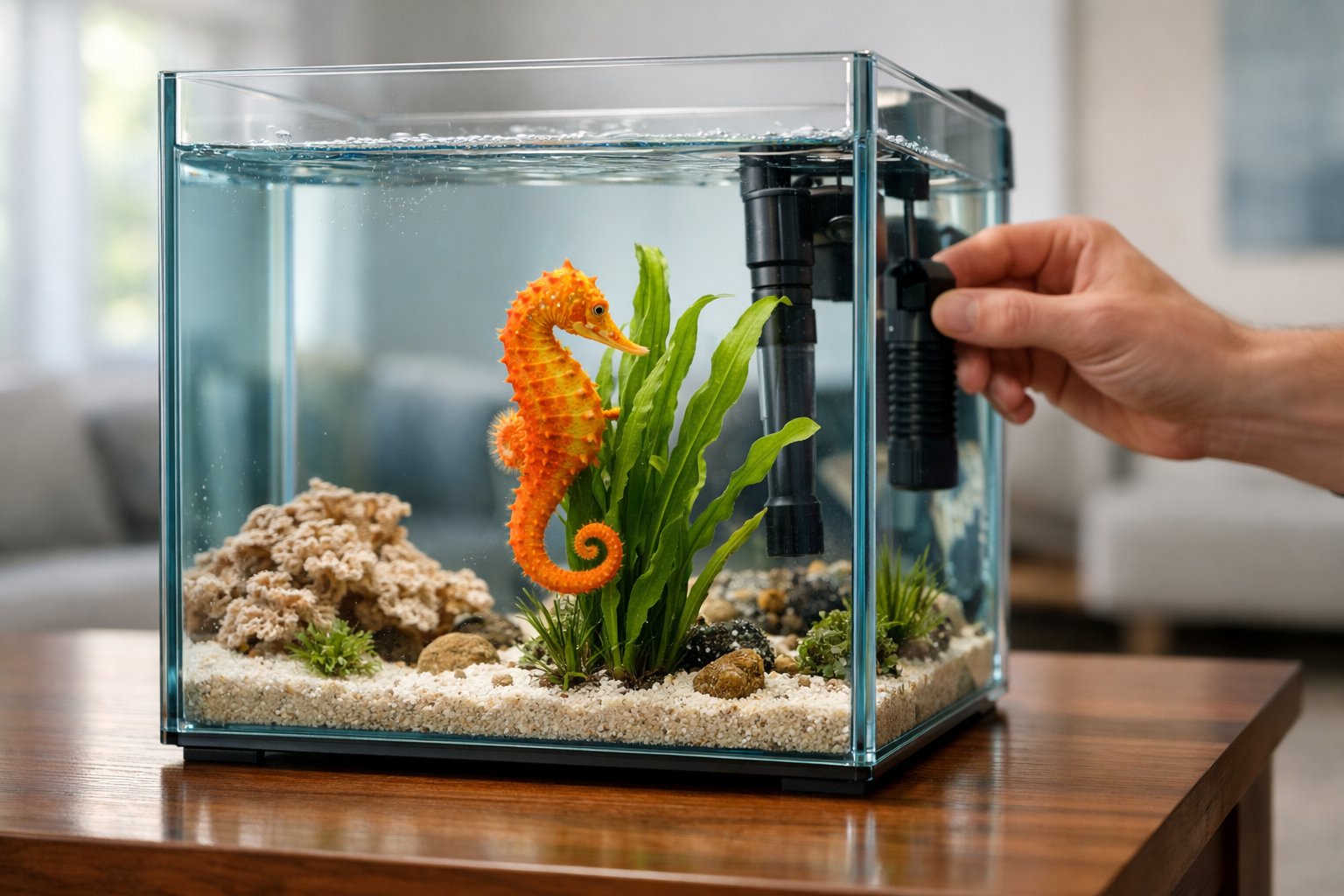
You’ll also have to follow animal welfare rules. Get ready for specialised care, tank setup, and maybe even licensing if your activities could disturb wild seahorses.
Legal Status of Seahorse Ownership in the UK
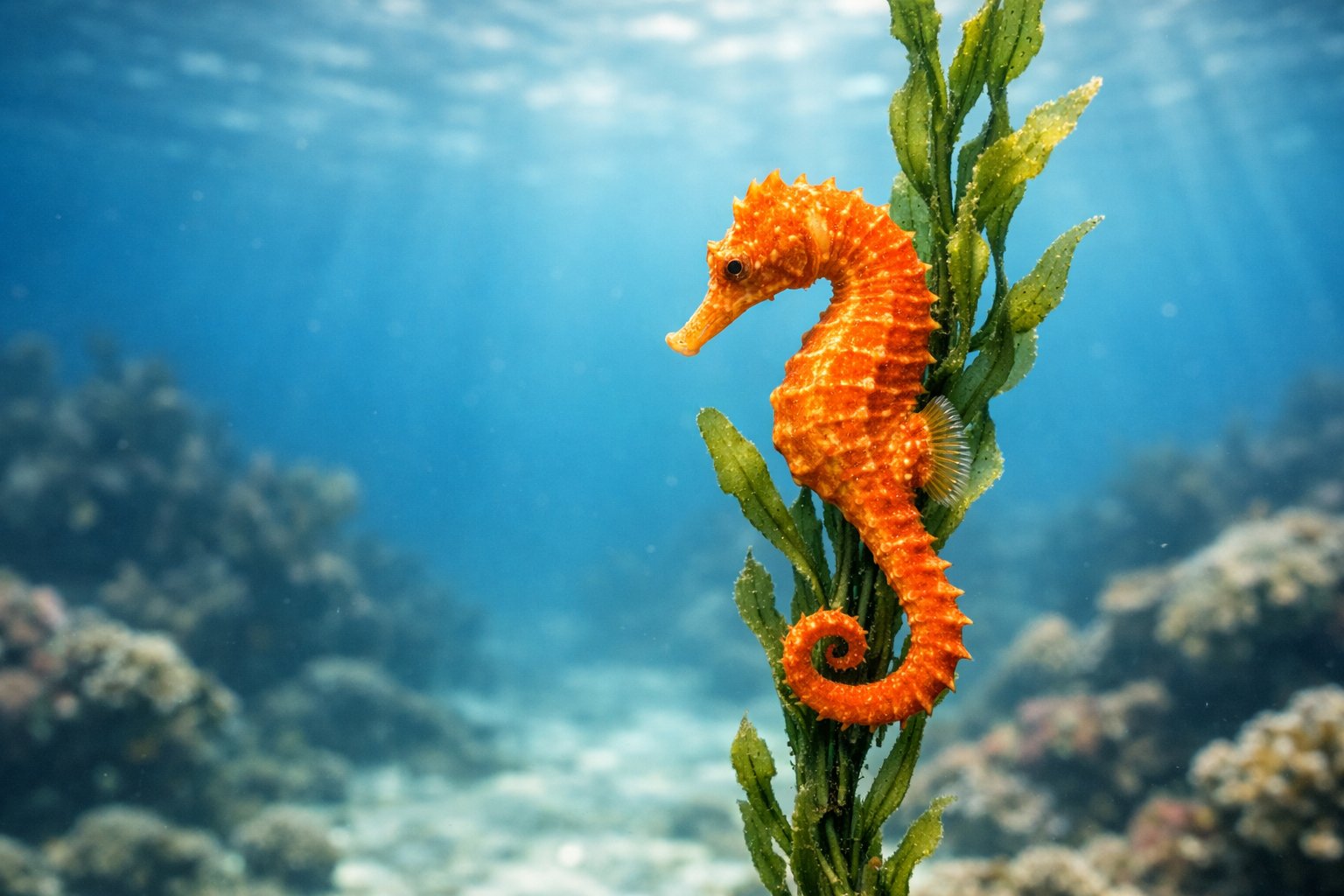
It’s important to know which seahorse species are protected and what laws apply. You’ll want to check the rules below so you know if you can legally own a seahorse, and what paperwork you might need.
UK Laws and Protected Species
Both native seahorse species in the UK—the short-snouted seahorse (Hippocampus hippocampus) and the spiny/long-snouted seahorse (Hippocampus guttulatus)—are protected by law. The law says you can’t kill, injure, capture, possess, or sell these species in most situations.
If you find a wild seahorse and try to keep it, you’re almost certainly breaking the law. Protection also covers harming their habitats or disturbing them on purpose.
If you’re thinking about buying a seahorse, make sure it’s captive-bred. Captive-bred seahorses are usually legal and more ethical than wild-caught ones.
Wildlife and Countryside Act 1981 and Related Legislation
The Wildlife and Countryside Act 1981 lists offences that cover seahorses in the UK. Under this Act, possessing or selling protected seahorses can get you in trouble unless you’ve got a legal exemption.
Other rules, like the Control of Trade in Endangered Species Regulations 2018, work alongside this Act. International agreements also manage trade in marine animals.
You should avoid doing anything that counts as taking or disturbing a protected seahorse. Penalties can include fines and having your animals or equipment seized.
The law’s really about protecting wild seahorses, so it applies whether you’re diving, beachcombing, or buying animals.
Licensing and Documentation Requirements
You might need a licence for activities that could disturb seahorses, like scientific research, certain photography, or moving animals for conservation. The Marine Management Organisation (MMO) and Natural England decide on these licences.
They issue licences case by case and usually set strict conditions to protect the animals. If you buy a seahorse from a dealer, ask for proof it’s captive-bred and legally traded.
Some seahorse species need CITES-style permits for international trade, depending on where they’re from. Keep records of your purchase, breeding certificates, and any licences—these could save you trouble if authorities ask about your seahorse.
For official guidance and how to report sightings, check the GOV.UK seahorse guidance.
Responsible Seahorse Ownership and Practical Considerations
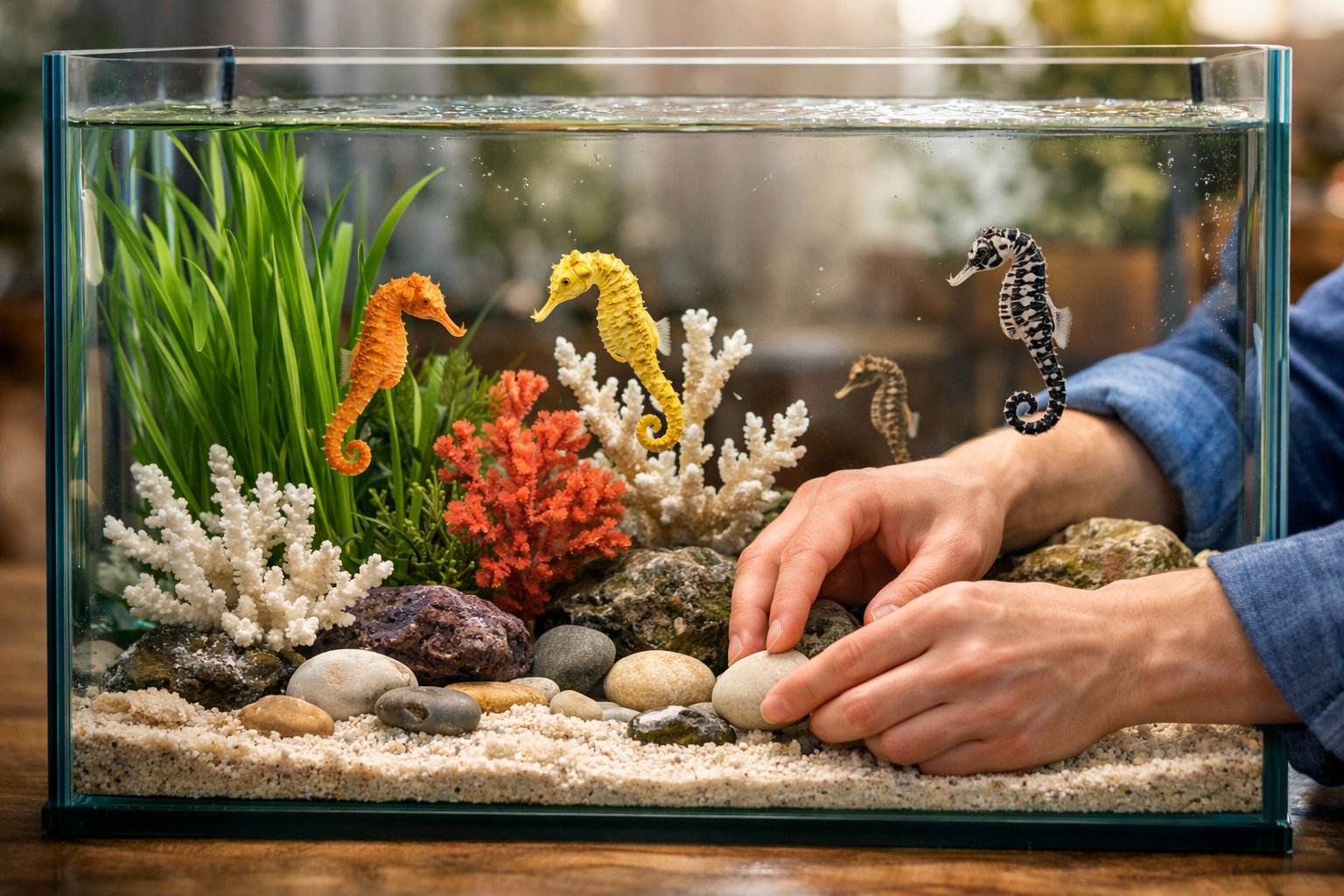
You’ll need to check legal rules, source your animals responsibly, and set up a proper tank with good water quality before you bring a seahorse home.
Expect to feed them regularly and monitor them closely. Keeping seahorses is a long-term commitment—think several years.
Captive-Bred vs Wild-Caught Seahorses
Go for captive-bred seahorses whenever you can. They’re used to aquarium life, less likely to bring in wild parasites, and don’t put pressure on wild populations.
Captive-bred ones usually come with the right paperwork, making it easier to follow UK wildlife rules. Wild-caught seahorses tend to be stressed, picky eaters, and may carry parasites or algae.
If someone tries to sell you wild-caught seahorses, ask for collection permits and health info. Stick to species that do well in captivity and check how long they usually live—many can make it 3–7 years with proper care.
Buying from Reputable Sellers
Buy seahorses from licensed, experienced breeders or specialist marine shops. Good sellers will give you proof the animals are captive-bred, plus feeding history and a health guarantee.
They’ll show you parent stock or breeding reports and explain quarantine and acclimation steps. Ask about their return policy, how they transport animals, and what the seahorses have been eating.
Don’t buy on impulse from sketchy sources or online ads without real photos. Keep your purchase records for legal checks or vet visits.
Essential Habitat and Tank Setup
Set up a dedicated marine tank with mature biological filtration. Seahorses prefer gentle, calm water flow, so place powerheads to avoid strong currents.
Give them vertical structures—like gorgonian decor, macroalgae, or polypropylene “holds”—so they can anchor themselves. For a pair or small group, you’ll want at least 75–100 litres.
Taller tanks (over 120 cm) help mimic their natural space. Keep salinity stable (1.023–1.025), and set temperature between 15–22°C for temperate species (but always check your species’ needs).
Test water regularly for ammonia, nitrite, nitrate, and pH. Use sponge filters or refugia to protect fry and support copepod populations.
Daily Care and Feeding Needs
Feed seahorses small, high-quality foods a few times each day. Most captive-bred seahorses will eat frozen mysis shrimp, but juveniles usually want live copepods or enriched feeds.
Watch each seahorse when they eat. If one struggles or seems weak, you might need to hand-feed it with a syringe.
Keep a feeding log. Every day, check for signs like buoyancy issues, fast breathing, or a lack of appetite.
Do short water changes each week—about 10–20%. Always top off with dechlorinated seawater that’s the right temperature.
You’ll need to budget for frozen food, salt mixes, and sometimes vet care. With some patience and good care, seahorses often live out their full captive lifespans and may even breed at home.


