
You’ll often spot lions flopping down after a big meal, and honestly, that’s not just laziness—it’s a smart, natural habit. Lions usually lie down and rest after eating to save energy and help their bodies digest all that meat.

Let’s dig a little deeper. Digestion, energy needs, and safety all shape this behavior in ways that might surprise you. You’ll get some straightforward explanations about why they rest and where they pick to nap, so you can almost picture what happens after a hunt.
Why Do Lions Lay Down After Eating?
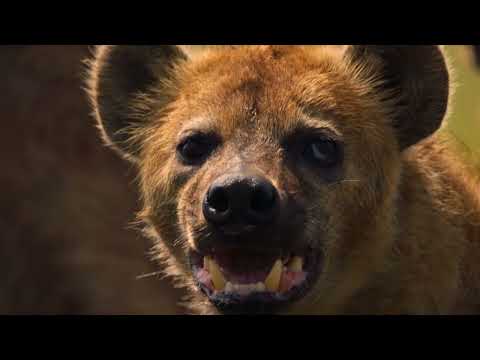
Lions often sprawl out after a hefty meal because eating changes how their bodies use energy. Digestion can drain them, so resting helps them recover. Hunting and sleeping are pretty tightly linked, and a few common ideas about lion rest don’t really hold up under closer look.
The Energy Demands of Digestion
After a big meal, your body sends more blood to your stomach and intestines to break down food and soak up nutrients. Lions do exactly the same thing; their blood flow shifts toward their digestive organs, leaving less for their muscles, which makes them feel sleepy.
Digesting all that protein and fat takes serious effort—enzymes kick in, their metabolism ramps up, and it ends up feeling exhausting.
African lions can scarf down several kilograms at once. That kind of metabolic spike makes them sluggish for hours. Lying down takes the edge off, letting them recover while their bodies deal with the feast.
Resting and Recovery After a Meal
You rest to let your body handle digestion and repairs, right? Lions do too. Lying down drops their heart rate and keeps their movements minimal, which helps nutrients move through the gut more smoothly.
Staying still also lowers the risk of regurgitation or choking after a heavy meal.
When lions rest in shade or thick cover, they keep cool while their bodies work overtime. In a pride, a few animals stay alert while the rest nap. This shared vigilance means the group can recover without totally letting their guard down.
The Relationship Between Hunting and Rest
Hunting burns a lot of energy. It takes planning, teamwork, and those famous bursts of speed. After a successful hunt, lions need time to rebuild their energy.
You’ll notice they rest longer after tough chases or fights over food. The bigger the effort, the longer the nap.
Lions do most of their hunting at dusk or night, when prey slows down. By sleeping or lying low during the hot daylight hours, they save energy for nighttime hunts. That routine ties feeding, rest, and hunting into a kind of predictable cycle.
Common Myths About Lion Resting Behavior
Some people call lions lazy because they lie down after eating, but that misses the point. Lying down is their way of saving energy and helping digestion, not just loafing around.
Another myth says lions nap to dodge predators. Sure, resting can reduce risk by keeping them hidden, but lions are at the top of the food chain. Their post-meal stillness mostly supports digestion and recovery. Captive lions, by the way, rest differently from wild ones because their routines and diets change in zoos.
Where and How Lions Rest Post-Meal

Lions usually flop down pretty soon after a big meal, picking spots that keep them cool, hidden, and close to the carcass. Their choices depend on safety, shade, and how much they need to recover.
Preferred Spots for Lion Sleep
You’ll often find lions sleeping under shady trees, in tall grass, or up on a little rise near a kill. Shade helps keep them cool after eating. Raised spots give them a better view, making it easier to spot hyenas or other scavengers sneaking up.
Pride members tend to cluster together—you’ll see them curled up within a few meters of each other. Cubs stick close to nursing adults for warmth and safety. In places without many trees, lions use termite mounds or rocky outcrops as shaded, elevated beds.
Differences in Rest Patterns Among Lions
If you watch long enough, you’ll see adult males, females, and cubs rest in their own ways after meals. Adult males often sleep longer and in more exposed spots since they’re on guard for rivals. Females stay closer to the carcass and each other to protect cubs and manage feeding order.
Cubs nap the most and stick right by the adults for security and food. Solitary or nomadic males might wander away from the kill and nap alone, picking hidden spots to avoid trouble. Captive lions? They follow a different rhythm, sleeping more predictably since they don’t have to hunt.
Factors Affecting Rest Locations
Lions pick their resting spots after eating based on a few things—temperature, the carcass, and any threats hanging around.
If the midday sun gets too hot, they’ll move into deep shade. On cooler nights, they might just sprawl out wherever they please.
When hyenas or other predators show up, lions stick close to their kill or pick spots where they can keep an eye on things.
Human activity changes their habits too. Water sources and the type of habitat matter a lot.
In the open savanna, you’ll often find them lounging near a scraggly tree or maybe a termite mound.
But if they’re close to lodges or roads, they tend to hide out in thick scrub.
Honestly, just watching where they decide to flop down tells you a ton about what’s going on in their world.


