
You’ve probably heard the claim that bees can smell fear. But what does that really mean? Bees don’t literally sniff out fear, but they do pick up on chemicals your body lets off when you’re scared—think pheromones and sweat. These signals tip bees off that something isn’t quite right, so they might get more defensive.
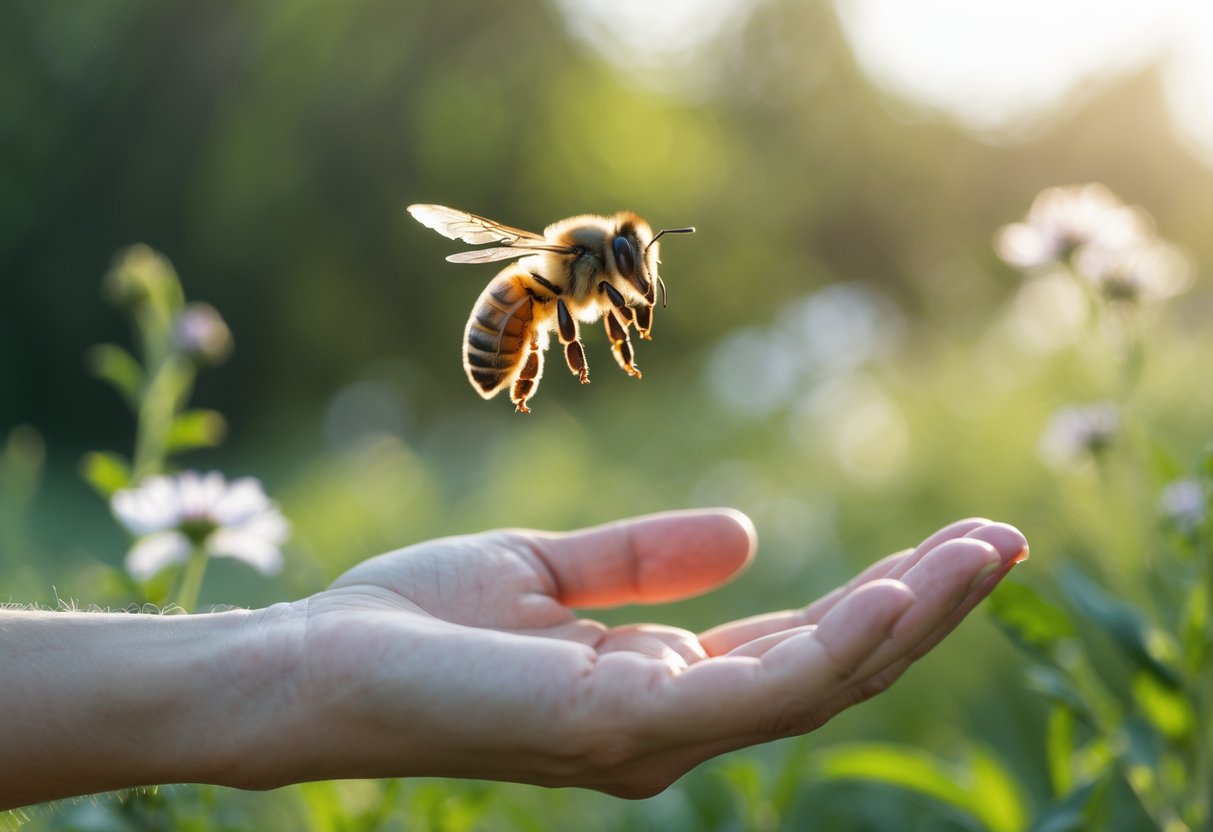
Honeybees do a ton for our ecosystem by pollinating plants and helping crops thrive. Their sense of smell is almost super-powered—it lets them find flowers and chat with each other.
If you’re nervous around bees, your body sends out signals that make you stand out even more, even if the bees aren’t picking up on your feelings directly.
Learning how bees react to these signals can help you keep calm and steer clear of stings. It’s not some mystical thing—they just use scents and tiny shifts in the air to figure out what’s going on.
Curious about what bees actually notice? Let’s dig into the facts behind this weird and fascinating idea.
Can Bees Smell Fear?

Bees don’t smell fear in the way most people imagine. Instead, they sense chemical changes in your body when you’re scared or stressed.
These signals can make bees react more defensively. Once you understand this, it’s easier to see why your own emotions might shape how bees respond to you.
The Science Behind Bees Detecting Fear
Bees have an incredible sense of smell. This ability helps them track down food, communicate, and keep their hive safe.
When you’re afraid, your body releases stress hormones and certain pheromones. Bees can pick up on these.
Your skin and breath carry these chemicals into the air. Bees use special sensors on their antennae to detect them.
They don’t pick up the emotion itself, just the chemical changes your body makes when you’re scared. That’s the link behind the saying that bees can smell fear.
Role of Human Emotions and Fear Pheromones
Your emotions come from your brain, especially a part called the limbic system. When you’re scared or stressed, this system tells your body to let off certain chemicals, including so-called fear pheromones.
These pheromones aren’t a direct “fear” smell, but they do warn bees that something’s off. When bees pick up on them, their instinct is to protect themselves or their hive.
If you’re scared, you might also start moving nervously or breathing faster, which only adds to the signals bees notice. So, your emotions affect both what your body gives off and how you act, making bees more likely to react.
Communication Through Pheromones and Bee Behavior
Bees rely on chemicals called alarm pheromones to warn each other about danger. If a bee senses the fear pheromones coming from a human, it might release its own alarm pheromones.
That’s basically a signal to other bees: stay alert, get ready, defend the hive.
Here’s how it usually plays out:
- You feel afraid and your body releases stress hormones and pheromones.
- Bees pick up these chemicals with their antennae.
- Some bees release alarm pheromones to warn the colony.
- The hive gets defensive and might attack.
If you know this, it’s a bit easier to stay calm around bees. They don’t “smell fear” in a magical way—they just react to real chemical cues tied to your emotions.
If you want to go deeper, check out this detailed explanation about bees and pheromones.
Bee Senses and Their Importance in the Hive

Bees depend on their senses to survive and work together. Smell is huge for them—it helps them find flowers, keep the hive safe, and communicate with each other.
This sharp sense sets bees apart from plenty of other animals. It shapes how the hive runs every day.
The Olfactory System of Bees
Bees pick up scents using tiny receptors on their antennae. These receptors can sense all sorts of smells in the air, like nectar or pheromones from fellow bees.
When a bee picks up a scent, it can figure out if it’s from a friend, the queen, or a threat. That helps them find food or warn about danger.
Their sense of smell is so advanced that bees remember and follow scents over long distances. This lets them return to the same flowers and even perform their famous waggle dance to show others where the good stuff is.
How Bees Use Smell to Protect the Hive
Inside the hive, smell is the main way bees warn each other about threats. Bees release certain pheromones to alert others if there’s a wasp, a hornet, or even a human poking around.
If a bee senses aggression or hunger through pheromones, it can trigger a defensive response from the whole hive. This alert system keeps the queen and the colony safe.
Beekeepers pay close attention to these signals to avoid stressing out the bees.
Smell also helps bees recognize who belongs and who doesn’t. Each hive has its own scent, so bees can spot outsiders—like hornets or bumblebees—who might try to sneak in.
Comparisons With Other Insects and Animals
Honeybees have one of the most impressive senses of smell among insects. Wasps and hornets use their sense of smell too, but mostly for hunting or defense.
They don’t really use it for communication the way honeybees do. Bumblebees can smell pretty well, but honestly, they don’t depend on it as much for running their hives.
Honeybees really shine when it comes to teamwork. Their abilities in this area are just on another level.
Sure, some animals—like dogs—have a more powerful sense of smell than bees. But bees use scents to communicate fast throughout their hive, and that’s something special.
This quick, scent-based communication makes the bee’s olfactory system pretty unique. It’s a big reason why bees are so important for beekeeping and pollination.


