
So, you’ve noticed bees buzzing around your yard or maybe even close to your house. Chances are, they’ve found something they like. Bees usually show up where there’s food, water, or a safe place to rest or nest. Flowers, certain plants, and even tiny gaps in your house can make your place a bee magnet.

Your garden probably has bright flowers, fruit trees, or herbs that bees just can’t resist. They search for water sources too, and those sneaky little gaps in walls, vents, or chimneys? Bees notice them.
If you understand what brings them in, you can decide whether to keep them nearby or kindly nudge them along.
Curious about why bees keep popping up and what you can do about it? Stick around to find the main reasons they’re there and some tips on managing their visits safely. For more details, here’s a handy guide on what attracts bees to your home.
Key Reasons Bees Are Attracted Around Your House

Bees come looking for three things: food, water, and shelter. Certain plants, water spots, and nesting places pull them in fast.
Knowing what catches their attention helps you manage their visits.
Flowers, Nectar, and Pollinating Plants
Bees can’t survive without nectar and pollen from flowers. Got lavender, sunflowers, marigolds, rosemary, or thyme? You’ll probably see bees.
These plants feed bees and keep them coming back. Pollinating plants give bees a steady food source during blooming season.
Want fewer bees near your doors or windows? Try planting fewer flowers close to entrances. Or, pick types that bees don’t love as much.
Water Sources and Standing Water
Bees need water for drinking and cooling off their hives. Bird baths, ponds, fountains, or even shallow dishes in your yard will bring them in.
Even a bit of water in a container or a damp spot can do the trick. Cover or empty standing water when you’re not using it to help keep bees away.
If you see more bees near your water features, swap out the water often and keep it clean. Don’t leave containers with water lying around.
Sweet Substances and Food Scraps
Anything sugary—fruit juice, soda, sweet snacks—draws bees like crazy. Leave out drinks or fruit, and they’ll come looking for a treat.
Garbage with sweet stuff inside can also pull bees right to your doors. Keep trash bins sealed and clean.
Watch out during outdoor meals. Cover food and drinks, and clean up after yourself to keep bees from crashing your picnic.
Shelter, Nesting Sites, and Structural Openings
Bees always hunt for safe spots to build hives. Your attic, wall cracks, chimneys, or holes in fences can look perfect to them.
If bees find small openings, they’ll squeeze in and set up a hive. Suddenly, you’ve got a bee problem inside.
Seal up gaps around windows, doors, and walls to block them out. Check your house for cracks or holes bees might use.
If you spot a hive, call a professional bee remover. Don’t try to mess with it yourself.
For more about why bees come to your house and how to stop them, check out what attracts bees to my house.
How To Make Your Home Less Attractive To Bees
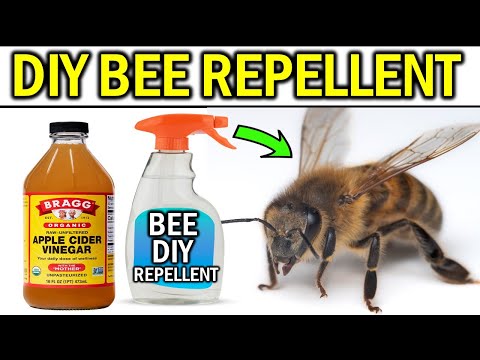
You can cut down on bee activity by changing what draws them in. Focus on food and water sources, pick different plants, and block off nesting spots.
Managing and Removing Food Sources
Bees love sweet smells and sugary snacks. Keep food and drinks covered when you’re outside. Don’t leave fruit, snacks, or open containers where bees can get to them.
Pick up fallen fruit quickly. Overripe or rotting fruit brings bees in fast. Use sealed bins and don’t let garbage sit out.
Clean outdoor eating areas to keep bees away from your meals.
Reducing Water Availability Outdoors
Bees come for water, so standing water in your yard is a big draw. Remove or empty birdbaths, pet bowls, and any containers with rainwater. Fix leaky hoses and sprinklers to keep things dry.
If you want bees to stay away from your water, use moving fountains or dripping water features—bees like still water better. This small change can really help.
Limiting and Replacing Bee-Friendly Plants
Flowers like lavender, marigolds, rosemary, and thyme attract bees with pollen and nectar. If you want fewer bees, plant fewer bright or strongly scented flowers near your house.
Try using plants that bees don’t care much about, like certain herbs or non-flowering bushes. You’ll still have a nice garden, just with less buzzing.
Swap out some flower beds near doors and windows with bee-resistant plants for a calmer, bee-free space.
Denying Shelter and Sealing Potential Nesting Areas
Bees are always on the lookout for safe spots to build hives—think attics, wall gaps, or those sneaky cracks around your house.
Take a walk around your place now and then. Pay extra attention to eaves, vents, or along the roof edges, since bees love those.
Seal up any openings you find. I’d recommend using a tough sealant or some sturdy mesh, just to be sure.
Don’t forget about old wood piles or random debris near your home. These spots can easily turn into bee shelters if you leave them.
If you notice a beehive, don’t try to mess with it yourself. It’s honestly safer to call in a professional who knows what they’re doing.
By blocking off these potential nesting areas, you’ll make your home a lot less appealing to bees.


