
So you’ve spotted ground bees buzzing in your yard and you’re wondering how long they’ll hang around? You’re definitely not alone. These bees show up in early spring and hang out for just a short while.
Ground bees usually stick around for about four to six weeks before vanishing until the next year.

While they’re here, female ground bees dig out nests, lay eggs, and look after their young. After that, most of the bees take off, and only the queen stays underground to hibernate through winter.
If you know their life cycle, you’ll probably feel more relaxed about their visits and know what to expect.
How Long Do Ground Bees Stay Around?
Ground bees usually spend just a few weeks in your yard each spring. They get busy building nests, mating, and laying eggs.
After that, you probably won’t see them again until next year. They leave behind small underground nests, and that’s about it.
Typical Duration of Ground Bee Activity
Ground bees—sometimes called solitary or mining bees—stay active for about four to six weeks in early spring. During this stretch, female bees dig tunnels into dry soil and create their ground bee nests.
They use these nests to lay eggs and raise their young. You might spot little dirt piles near the holes where they’re digging.
This activity ramps up as the weather warms and usually winds down by late spring or early summer.
Factors Affecting How Long Ground Bees Remain
Several things affect how long ground bees hang around. Soil moisture matters a lot—ground-nesting bees really like dry, loose soil for their nests.
If you water the area often, you might actually discourage them from staying. Weather is another big factor.
Ground bees show up more during warm, dry days. Rainy or chilly weather keeps them underground.
The species of bee also makes a difference. While most ground bees stick around for about a month, some types—like bumblebees—might hang out a bit longer in your garden.
What Happens to Ground Bees at the End of the Season
When the season wraps up, adult ground bees disappear. Most females finish laying eggs by mid to late summer.
The new bees stay underground as larvae or pupae. In fall and winter, ground bees hibernate in their nests.
They don’t need to eat and they stay safe underground until spring. Once things warm up, they emerge and the whole process starts again.
If you want more details, here’s a page on how long ground bees stay.
Ground Bee Behavior, Identification, and Safety
Getting to know ground bees makes it easier to handle them safely, and maybe even appreciate having them around. These bees live alone, but sometimes they nest close together.
They’re important pollinators and honestly, they’re not nearly as aggressive as wasps or yellow jackets.
How to Identify Ground Bees and Their Nests
Ground bees are small—think 1/8 to 3/4 inch long. Their colors range from brown and black to even shiny green.
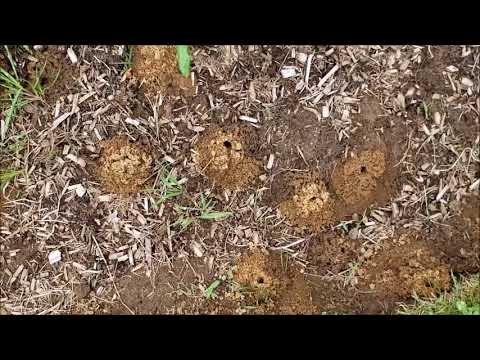
You might spot sweat bees, digger bees, mining bees, mason bees, or leafcutter bees in your yard. Their nests look like tiny holes in bare dirt or patchy grass.
Sometimes you’ll see a bunch of little tunnels grouped together, especially where it’s sunny.
Ground bees don’t build big colonies like honeybees. Instead, you’ll see solitary bees nesting side by side.
If you’re looking for nests, check bare or slightly disturbed soil where bees fly in and out. They often reuse old tunnels, so the same patch could stay busy for years.
Differences Between Ground Bees, Yellow Jackets, and Wasps
Yellow jackets and wasps really aren’t the same as bees, in looks or behavior. Wasps and yellow jackets usually look shiny, have less hair, and sport a narrow waist.
They build papery nests in trees or underground, but they’re much more aggressive. Ground bees, on the other hand, have fuzzy bodies and look more like what you’d expect from a bee.
They collect pollen and nectar. Yellow jackets, though, tend to scavenge for food.
Ground bees rarely sting unless you bother them. Wasps and yellow jackets? They’re much more likely to go on the offense.
| Feature | Ground Bees | Yellow Jackets | Wasps |
|---|---|---|---|
| Body Hair | Fuzzy | Smooth | Smooth |
| Nest Location | Underground in soil | Underground or in trees | Paper nests on trees/buildings |
| Behavior | Non-aggressive, solitary | Aggressive, social | Aggressive, social |
| Diet | Pollen, nectar | Meat, sweets, scavenged food | Meat, sweets, scavenged food |
Do Ground Bees Sting and Are They Dangerous?
Ground bees can sting, but honestly, their sting is mild and not as painful as wasps or yellow jackets. They only sting if they feel threatened or get stepped on.
Most ground bees—like digger and mining bees—aren’t aggressive at all. If you do get stung, it’s usually just some redness and swelling, nothing major.
Of course, if you’re allergic to bee stings, you should take care around any stinging insect. Ground bees play a big role in pollination, helping gardens and crops thrive.
Encouraging Ground Bees or Preventing Their Return
If you want more pollination in your garden, try leaving some bare patches of soil and skip the chemicals. Ground bees usually pick sunny spots with loose soil, so let them nest where they feel comfortable.
On the other hand, if you’re hoping to keep ground bees away, try making your lawn thicker by fertilizing and watering it regularly. Tossing down mulch over any bare dirt can also make it harder for bees to settle in.
Keep your yard a bit damp, too—it’s not their favorite. And honestly, it’s best not to poke around their nests.
If you really need to move them along, just wetting the soil might do the trick. Chemical sprays? Not a great idea, since ground bees help pollinate and sprays can mess with other helpful insects.
If you want to live alongside them, wear some protective clothes when you’re near their nests. Don’t swat at them, and just watch from a safe distance.


