
Ever wondered what bees mean beyond just buzzing around flowers? You might be surprised at how deeply UK folklore weaves bees into its stories.
Across England and Scotland, people see bees as wise, sometimes even holy. Folklore often casts bees as mysterious creatures, connecting folks to major life events—especially death and family changes.
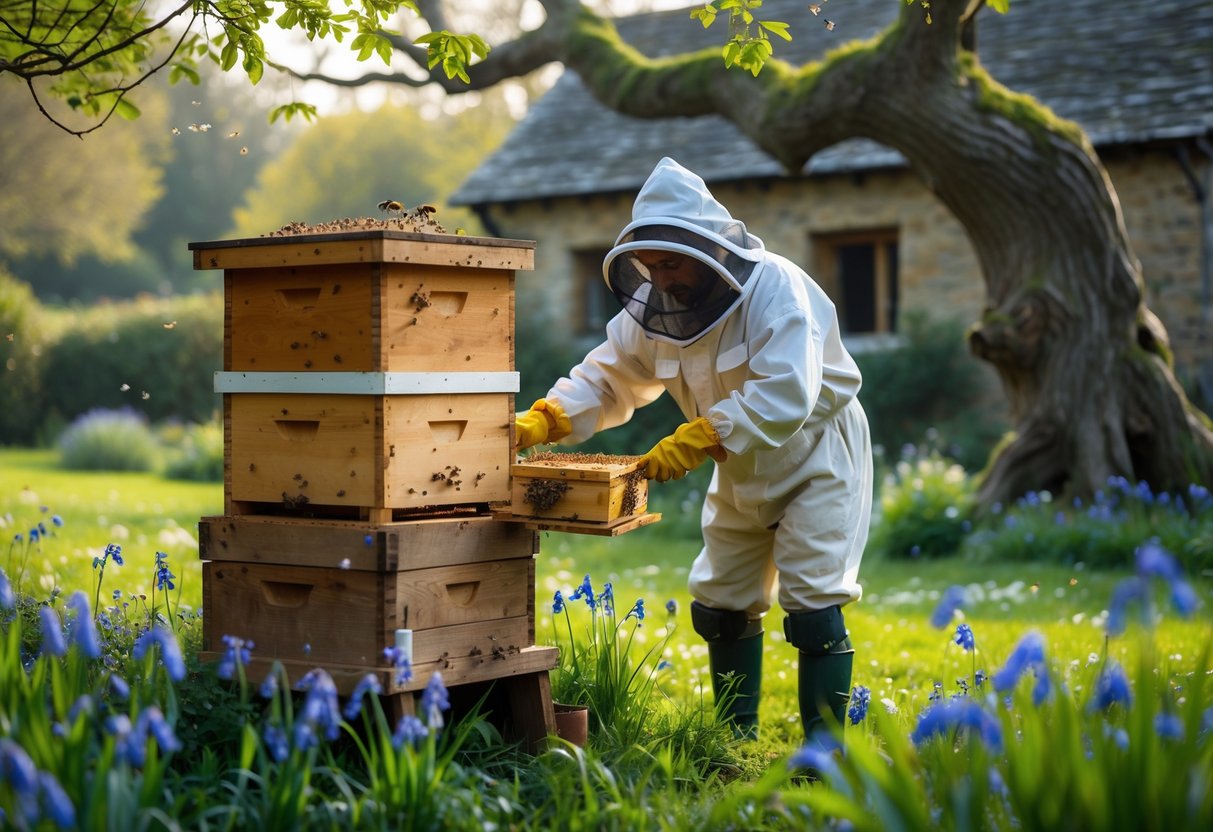
In lots of rural places, families followed a tradition called “telling the bees.” They’d let their hives know about big happenings, like a death in the family.
People believed this kept the bees loyal and healthy, and maybe even warded off more bad luck. Bees weren’t just honey makers—they offered luck and spiritual protection too.
These tales really show how much people respected bees, thinking their wellbeing reflected human fortune. Learning about all this folklore might make you see bees in a totally new way.
If you want more details, check out some stories about the folklore of the bee in the UK.
Traditional Bee Folklore in the UK
In the UK, bees have always meant more than just insects. Folks respect them, tying their behavior and presence to big events and life changes.
You’ll find beliefs about how to treat bees, what their actions mean, and even spiritual ideas about their place in the world.
Telling the Bees and Family Customs
In many parts of England and Scotland, people believe you should tell the bees about big family news. This means sharing events like births, marriages, and especially deaths with the bees in your hives.
People treat bees as part of the family, so they keep them in the loop. When a beekeeper died, families would sometimes leave funeral food and wine by the hive.
Some even buried old clothes of the deceased near the hives, just to make sure the bees knew what was happening.
Mark Norman, who’s pretty knowledgeable about rural customs, says this practice still gets recognized today. It’s all about loyalty and showing respect for bees.
You can read more about this tradition at The History Press.
Superstitions About Swarms and Seasons
British bee folklore is full of meaning when it comes to swarming. If bees swarm in May, people say it’s a sign of good luck and a healthy year to come.
Folks watch the seasons closely, thinking bees might predict weather or fortune. Spotting a swarm early in the season? That’s a good omen.
But if bees swarm late or in odd numbers, some say it signals illness or trouble ahead. Beekeepers handle their hives with care during these times, hoping to keep things balanced.
Swarming feels natural, but it’s also wrapped up in old superstitions about luck, health, and what the future holds.
Spiritual and Mythical Associations
People in the UK have often seen bees as holy. Maybe it’s because bees make beeswax, which churches use for candles.
This ties bees to saints like St. Ambrose, the patron saint of beekeepers. You’ll even find stories saying bees hum loudly at midnight on Christmas Day, celebrating Christ’s birth.
Some old legends claim bees can sense purity or warn of coming danger. Their spiritual importance runs deep in people’s beliefs.
If you want to dig deeper, check out the Ealing Wildlife Group.
Proverbs and Sayings in Rural Life
Rural communities use tons of sayings about bees. For example:
- “Busy as a bee” means someone’s working hard.
- “The bee’s knees” describes something really special.
People admire bees for their loyalty and industry. You’ll also hear phrases warning about swarms or suggesting you keep an eye on the hive for signs of health or trouble.
These sayings pass down wisdom about bees and nature from one generation to the next.
They give you a glimpse into how much bees mattered in daily rural life—not just for farming or honey.
Beekeeping, Rural Crafts, and Cultural Significance

Beekeeping in the UK isn’t just about honey. It’s a rural craft that connects people with nature and tradition.
Bees and their products show up in rituals, customs, and even daily routines. Understanding these roles helps you see how bees shape culture in ways that go beyond the obvious.
Historical Beekeeping Practices
Beekeeping in the UK goes back centuries. People used simple wooden hives or straw skeps.
Old customs focused on protecting bees during rough winters or marking special occasions with hive care. Beekeepers would “tell the bees” big news, like deaths or weddings, to keep the colony calm.
This shows just how closely bees tied into community life. Mead, that fermented honey drink, played a part in celebrations and as gifts.
Beekeeping stands as one of the oldest rural crafts. People passed down practical skills and respect for bees through generations.
Rituals, Craft, and Community
Lots of rural customs grew up around bees, with rituals to ensure good honey harvests and hive health. Some communities believed bees brought luck, so they kept hives close to home.
Crafting hives became a skilled trade, mixing art and function. Each hive symbolized a bridge between nature and rural life.
Knowing these crafts shaped identity and even survival in the countryside. Beekeeping often brought neighbors together.
Sharing honey and beeswax built bonds, and this shared work linked you to a living tradition rooted in cooperation.
Bee Products and Their Role in Folklore
Honey, beeswax, and mead meant much more than just food or drink. People saw honey as a healing gift, a little spark of sweetness in everyday life.
They lit beeswax candles in rituals, hoping for light and purity—maybe a fresh start, maybe just a bit of comfort.
Mead comes from fermenting honey, and folks always gave it a special place in folklore. It often showed up at celebrations and ceremonies, tying people to old customs and the rhythm of rural life.
Stories grew around these bee products, too. Some believed honey could keep evil away or bring good health, which says a lot about how bees wove themselves into daily life and traditions.
If you’re curious about how bees shaped these customs, check out Telling the Bees and Other Customs.


