
Ever wondered what would happen if a jaguar and a lion crossed paths and tried to mate? Well, in the wild, they don’t — but under rare, human-controlled conditions, hybrids can happen. That fact pretty much sums up the situation: geography, instincts, and genetics keep them apart in nature, though captivity has produced a few strange exceptions.

Stick around and you’ll get the real science behind those barriers, a look at actual jaglion births, and what these hybrids mean for animal welfare and conservation.
Can a Jaguar and Lion Mate? Scientific Barriers and Real-World Cases
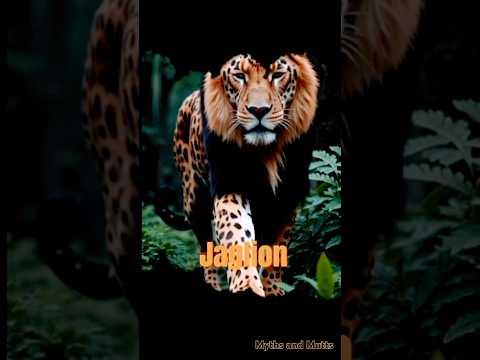
Let’s dig into why jaguars and lions almost never mate in the wild, what stops them genetically and behaviorally, and those rare times hybrids appeared in captivity.
Genetic Differences and Chromosome Compatibility
Jaguars (Panthera onca) and lions (Panthera leo) both belong to the Panthera genus, but that doesn’t make them easy breeding partners. Each species carries a unique genome that’s developed over millions of years. Chromosome number and structure matter a lot for making healthy offspring; mismatches can cause infertility or failed pregnancies.
When big cats from different Panthera species mate, the hybrids often have trouble reproducing. Male hybrids usually end up sterile because their sperm doesn’t develop right. Female hybrids sometimes stay fertile, but only if their chromosomes line up well during cell division.
Hybrids can also have health issues. They might inherit clashing immune genes or traits that make them more likely to get sick or develop abnormally. So, if a crossbreeding succeeds, you should see it as a rare fluke, not something normal.
Behavioral and Geographical Separation
Lions and jaguars grew up on different continents with totally different lifestyles. Lions hang out in open savannas with their prides, while jaguars prowl forests mostly alone. These differences shape how they court, mate, and go about their days.
They don’t even live in the same places—lions roam Africa and parts of Asia, while jaguars stick to Central and South America. No overlapping ranges means they just never meet in the wild.
In captivity, things don’t get much easier. For mating to happen, their behaviors have to match up, and that’s rare. Lions and jaguars often don’t pick up on each other’s courtship cues. Aggression, size differences, and stress in shared enclosures usually stop things before they start. Sometimes, behavioral differences block mating just as strongly as genetics do.
Documented Hybrid Offspring in Captivity
People have recorded jaguar–lion hybrids, called jaglions, but only in captivity. One well-known case happened at Bear Creek Exotic Wildlife Sanctuary in Ontario, where a male jaguar and a lioness produced cubs. These hybrids usually result from odd social pairings or when keepers intentionally house the animals together.
Jaglions look like a mashup: they might have the jaguar’s stocky build and spots, but also the lion’s size and maybe a faint mane. You can find photos and videos of these animals, though they’re extremely rare. There’s a lot to think about ethically, too—many conservationists argue that breeding big cat hybrids doesn’t help wild populations and often leads to health issues for the animals.
If you’re curious about specific cases, check out the jaglions at Bear Creek Exotic Wildlife Sanctuary (https://www.explorationjunkie.com/jaglion-hybrid-lion-jaguar/).
Jaglion and Other Big Cat Hybrids: Appearance, Behavior, and Ethics

So, what do jaglions and other Panthera hybrids actually look and act like? Let’s get into their markings, behavior, and why breeding them stirs up so many ethical debates.
Physical Traits and Unique Features of Jaglions
Jaglions combine features from both parents. You might notice a muscular, compact body like a jaguar but with the lion’s larger size. Their coats often show rosettes or spots—sometimes clear jaguar-style rosettes over a lion-like tawny background. Males typically don’t have a full mane, but a faint ruff can show up.
Colors can range from tawny and golden to darker brown, always with black rosettes or spots. Eye color usually matches the parents—amber or yellow. Other hybrids, like ligers (lion × tiger) or tigons (tiger × lion), might have stripes, faint manes, or wild mixed patterns. Rare hybrids like leopons (leopard × lion) and jagupards or jaguleps (jaguar × leopard) show off even more unique markings. Sometimes you’ll spot rosettes within stripes or odd spot shapes that hint at their mixed heritage.
Behavioral Differences in Hybrids
Hybrid behavior can be unpredictable. Jaglions might act more solitary, like jaguars, but sometimes they’re curious or social thanks to their lion side. Their hunting style could mix ambush moves from jaguars with the lion’s brute strength.
Don’t expect consistent social habits—hybrid behavior often depends on which parent’s traits are stronger. Ligers and tigons can surprise you too. Ligers often love water, like tigers, while tigons might be a bit more reserved. Many hybrids don’t show normal mating behaviors, so natural breeding is rare. If you see a hybrid working in entertainment or as an animal ambassador, remember their behavior can be unpredictable and sometimes needs special care.
Health, Welfare, and Ethical Questions
Before anyone supports hybrid breeding, they really need to think about the risks. Hybrids often face genetic problems: organ issues, joint trouble, and reproductive challenges pop up a lot. Male hybrids, especially among Panthera cats, usually can’t breed, while females sometimes can. This leads to uneven breeding results and welfare headaches.
There’s a big ethical side, too. Breeding jaglions, ligers, or leopons takes attention and resources away from protecting wild species. Captive hybrids often deal with social confusion and poor medical care. If you care about big cats, it just makes more sense to support programs that protect their habitats and focus on species-specific breeding, rather than creating hybrids for curiosity or profit.
Other Panthera Hybrids and Their Rarity
Panthera hybrids are pretty rare, and honestly, you almost never see them in the wild. Lions, jaguars, tigers, and snow leopards live in totally different places, so natural pairings like a jaguar and a lion just don’t happen out there.
People have documented hybrids—ligers, tigons, leopons, and sometimes jaglions—but these only show up in captivity. Usually, humans either put the species together or use assisted reproduction to make it happen.
You might come across all sorts of hybrid names—leguar, lepjag, lijagulep, tiguar—especially in informal stories or reports. Still, actual verified cases are super rare.
Museums, zoos, and wildlife refuges generally steer clear of intentional hybridization. If you see claims about hybrids like jagupard or jagulep, it’s worth checking for photos or veterinary records. People often misidentify rosettes and patterns, so it’s easy to get confused.


