
Honestly, it’s kind of wild to think about, but lions once prowled what we now call Britain. Cave lions roamed all over Europe, and their bones prove they made it to the British Isles during the Ice Age. Let’s get into when they lived, how they made it work, and what finally drove them out.

Picture yourself wandering where ancient hunters and giant mammals trudged across icy plains. We’ll look at old lion fossils found in UK caves, how these big cats fit into the wild world of the Pleistocene, and what their story says about changing climates, people, and habitats.
Cave Lions in Prehistoric Britain
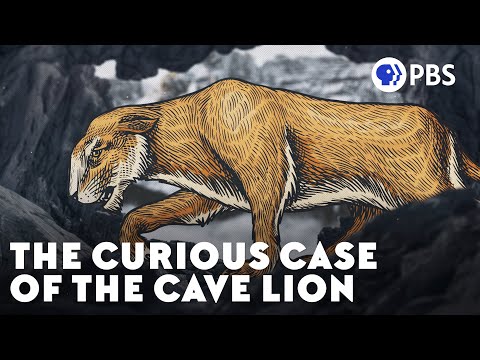
Let’s talk about when cave lions actually roamed Britain, where people have dug up their bones, and how you can spot the differences between them and today’s lions. Here are the main dates, fossil sites, and physical clues you might notice in museum displays or research papers.
Timeline of Cave Lions in the UK
Cave lions (Panthera spelaea—or sometimes Panthera leo spelaea, if you want to get technical) lived in Britain during the Pleistocene epoch. Their fossils pop up from around 300,000 years ago until about 12,000–14,000 years ago, right when the world started warming up and their prey disappeared.
Researchers usually date their last British remains to the end of the last Ice Age, using radiocarbon dating on bones or the layers around them. DNA studies show cave lions belonged to a unique Eurasian branch, not quite the same as modern African lions, and they split from a common ancestor hundreds of thousands of years ago.
Their timeline lines up with the mammoth steppe ecosystem. When herds like steppe bison faded, cave lion numbers dropped too.
Fossil Discoveries and Key Sites
People have found cave lion fossils in caves and chilly ancient deposits all over Britain. Some of the best finds come from Somerset, Derbyshire, and bits of Wales, where cave sediments kept bones and sometimes even partial skeletons in decent shape.
Museums store skulls, leg bones, and teeth that scientists use to figure out the age and species. Radiocarbon dating and checking the layers in the caves help nail down the timing. You can often follow a fossil’s history through museum records and published studies.
Diggers get the best material from cave floors and quarries. These same sites often turn up prey animals like steppe bison, which helps us piece together the cave lion’s food chain.
Distinguishing Characteristics of Cave Lions
Cave lions were bigger and bulkier than most modern lions. Their leg bones show strong front limbs and joints set up for ambush hunting on cold, open grasslands.
Their skulls and teeth have wider cheekbones and some pretty unique wear on the big teeth—carnassials and canines, if you’re curious. Those details, along with measurements, let paleontologists tell Panthera spelaea apart from other ancient big cats like Panthera fossilis.
DNA tests back up those physical differences, making it clear cave lions were their own Eurasian group. Next time you see bones in a museum, look for thick leg shafts and a wide nasal opening—classic cave lion features.
Ecology, Evolution, and Legacy of Cave Lions

Cave lions thrived in cold, open places and hunted big herds. Their bodies and habits shaped the ecosystem, and honestly, they even left their mark on ancient art.
Habitat and Prey of British Cave Lions
You’d have found cave lions out on the steppe and tundra, usually near the edges of the ice, not tucked away in forests. They liked open plains where herds—reindeer, baby mammoths, woolly rhinos—grazed.
These big animals gave cave lions plenty of opportunities for hunting and scavenging, especially during harsh glacial winters.
Lions also grabbed leftovers from mammoth kills or from other predators like scimitar-toothed cats (Homotherium) and bears. Caves packed with bones hint that lions used the same hunting grounds or dens again and again.
When prey thinned out, lions had to travel farther. That probably brought them into more run-ins with humans and Neanderthals, who hunted the same animals.
Physical Adaptations and Appearance
Cave lion bones and DNA show a hefty, tough cat built for cold weather. Fossils reveal thicker leg bones and a more compact skull.
Their fur probably had a dense underlayer and long guard hairs to block wind and cold. Frozen remains suggest their coats were pale to tawny, and some might’ve had faint stripes.
Male cave lions may have had a bit of a mane, but nothing like the full-on African lion mane. Size-wise, cave lions matched or even outgrew modern African lions, though some up north shrank a little over time as the climate and prey changed.
They shared some traits with other ancient cats, but really, they stood out as their own branch.
Extinction and Influencing Factors
It’s tough to say exactly what did them in, but both climate change and humans played a part. As the Ice Age ended, grasslands shrank and forests took over, which knocked out the big herds cave lions relied on.
People brought extra hunting pressure and competed for the same meat. Bones near ancient camps and cave art suggest lions and humans crossed paths a lot.
Small, scattered groups of lions probably struggled with inbreeding and local die-offs. DNA evidence shows cave lions split from modern lions about 500,000 years ago, and their declines line up with big climate swings.
Cave Lions in Culture and Art
You’ll spot cave lions pretty often in Paleolithic paintings and carvings. Sites like Chauvet and Lascaux actually show off some surprisingly detailed big cats.
At Chauvet, artists drew felid heads and bodies with careful, deliberate lines. It really makes you wonder how closely they watched these animals.
They focused on strong limbs, blunt muzzles, and even the texture of the fur. You’ll notice these images right next to mammoths, reindeer, and people, which hints at some kind of ecological connection—or maybe something more symbolic.
People even used cave lion teeth and pelts as ornaments. That says a lot about how much meaning they attached to these animals.
When you look at these artworks and old bones, you get a glimpse into both the animal itself and its place in early human life.


