
So, you’ve stumbled across that odd question: do giraffes lay eggs? Nope, they absolutely don’t. Giraffes are mammals, so they give birth to live calves. A pregnant female carries her calf for about 14–15 months, and then the newborn just drops to the ground—pretty wild—and stands up within an hour.

If that caught you off guard, stick around. Let’s sort out why people even ask this, how giraffe pregnancy works, and what’s actually so unusual about giraffe births.
You’ll get the basics about how they mate, how long they’re pregnant, and what happens when that calf hits the ground for the first time.
Do Giraffes Lay Eggs or Give Birth?
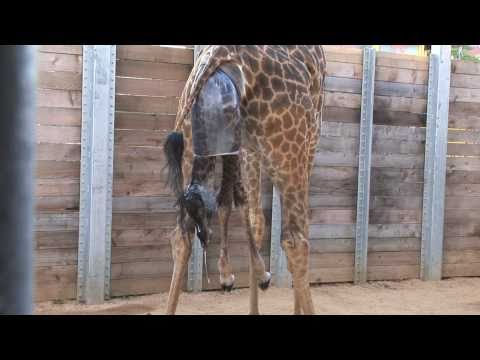
Giraffes give birth to live young after a long pregnancy. The mother protects her calf and feeds it with rich first milk.
Newborns stand and run pretty much right after birth. That quick mobility helps them dodge predators.
How Giraffes Reproduce
Male giraffes fight for access to females by swinging their necks and heads at each other. The winner usually gets to mate with the female who’s ready.
Females mate with different males throughout their lives. Pregnancy lasts about 14 to 15 months.
A male mounts a female and fertilizes her egg internally. The fetus grows inside her uterus until it’s ready to be born.
Giraffes don’t lay eggs—never have. Their whole reproductive cycle happens inside, just like other big mammals.
Hormonal changes kickstart labor, and that’s when the calf arrives.
Why Giraffes Are Mammals
Giraffes have mammary glands and feed their babies milk. After giving birth, the mother’s milk gives the calf nutrients and antibodies it really needs.
They’re warm-blooded, and their bodies are covered in hair. Female giraffes give birth to live young, not eggs, which is just what mammals do.
They breathe with lungs and have a backbone, plus all those complex organs you’d expect.
Calves nurse often and get stronger fast. The first milk, called colostrum, passes immunity from mom to calf.
That early boost helps the calf survive its first days out on the savanna.
Unique Facts About Giraffe Birth
Giraffes usually give birth standing up. The calf falls about 5 or 6 feet to the ground, which sounds rough but actually helps clear its lungs and get it breathing.
You’ll see newborns trying to stand within minutes, often managing it within an hour.
A newborn giraffe is already about 6 feet tall and weighs somewhere between 100 and 150 pounds. Mothers usually give birth alone and might hide the calf for a few days to keep it safe from predators.
Sometimes, groups of females form creches, where several calves hang out together under adult supervision.
Calves drink milk for up to a year but start nibbling leaves after a few months. Their quick development and the mother’s protection really boost their odds of making it in the wild.
How Giraffes Bring New Life Into the World

Giraffes don’t lay eggs—just to be clear. Here’s what happens while a calf develops, how newborns behave, and how giraffes pair up for mating.
Gestation and Pregnancy Length
A female giraffe carries her calf for about 15 months. That long wait gives the calf time to grow big enough to stand and run almost right away.
Females often give birth during the rainy season. More food means healthier moms and stronger calves.
Pregnant females show a fuller belly and might seem a bit slower, but usually, they stay with the herd.
Birth happens with the mother standing. The calf drops about 1–2 meters, which helps clear fluid from its lungs.
The mother licks her calf to clean it and get it breathing.
Giraffe Calves and Their Early Life
Newborn giraffes stand up within an hour and can walk within just a few hours. That quick start is crucial—it helps them avoid lions and hyenas.
Mothers keep calves close and sometimes hide them in thick grass while they go eat. Calves nurse for 6 to 12 months but start munching on leaves even earlier.
You’ll spot calves suckling often and resting near adults.
Calves learn by copying older giraffes—how to feed, how to stay alert. That social learning helps them survive until they’re ready to join the group for good.
Are Giraffes Monogamous?
Giraffes don’t stick to one mate for life. Females mate with different males over time, and males mate with several females if they can.
Sometimes, a female will accept just one male for a short while when she’s in heat, but that’s about it—no lasting pair bonds here.
Social groups are flexible. Giraffes move between subgroups and feeding spots all the time.
Female giraffes focus their care on one calf at a time. Their main energy goes into feeding and protecting the calf, not worrying about a stable mate.
Do Giraffes Mate for Life?
Giraffes don’t mate for life. Male giraffes usually go for a polygynous approach—one male will mate with several females in the herd.
You’ll often see males use a quirky behavior called “flehmen.” They actually taste a female’s urine to figure out if she’s in estrus. When a female’s ready, males might compete by necking or showing off in other ways to win the chance to mate.
Herds constantly shift and females have their own timing for reproduction. So, you almost never see stable pairs form. It really comes down to which females are in estrus and which males manage to win access at that moment, not any kind of lifelong mate bond.


