
You might wonder if a massive elephant feels uneasy around a giraffe with that long neck and odd gait. Actually, elephants don’t fear giraffes—they usually just ignore them or give them space instead of picking a fight.
Turns out, they munch on different parts of trees and manage to share the same areas without much fuss.

As you read on, you’ll see how waterholes, herd size, and limited resources shape their encounters. It’s not really about giraffes and elephants battling—it’s more about what truly scares them, and honestly, humans and shrinking habitats play a much bigger role.
Do Elephants Fear Giraffes?
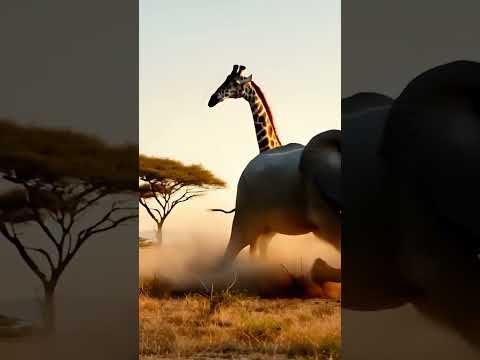
When you watch elephants and giraffes, you’ll notice they avoid fighting. They keep their distance, use body language, and feed at different heights to dodge trouble.
Observing Elephant and Giraffe Interactions in the Wild
If you’re out on safari, you’ll probably see calm scenes with both animals. Elephants usually don’t bother with giraffes and sometimes just keep a respectful distance.
Giraffes, those sky-high browsers (Giraffa camelopardalis), tend to stay alert. Sometimes they freeze and just watch an elephant stroll by.
You can spot their signals if you look closely. Elephants may lift their trunks, sniff the air, or flap those big ears. Giraffes sometimes stretch their necks or back up slowly.
These little moves help both animals avoid a showdown.
Herd size changes the vibe. Big elephant families move together in a steady, predictable way.
Lone bull elephants? They can act more unpredictably, but you almost never see them attack giraffes.
Waterhole Dynamics and Dominance Displays
Waterholes can get tense. Both animals need to drink, so it’s a natural pinch point.
Elephants use their size, trunks, and tusks to take over the best spots. They’ll block the water or just stand in the way.
Giraffes usually drink fast and stick to the edges. If elephants get pushy, giraffes often wait or head for another pool.
Sometimes, if things get tight, an elephant might shove a giraffe or block its path. Serious injuries, though, almost never happen.
Watch their posture. If an elephant faces forward with its ears wide, it’s showing off. A giraffe that suddenly bolts or stretches its neck is probably nervous.
These signals help you guess who’s about to back down.
Resource Partitioning and Coexistence
You’ll notice that feeding heights keep the peace. Elephants grab low branches and leaves, sometimes pulling whole branches down.
Giraffes reach way up for leaves elephants can’t touch. Because of this, they rarely fight over food.
Both species shape their environment in their own ways. Elephants knock down trees and open up new spaces.
Giraffes trim the upper canopy and help spread seeds around. That’s actually good for other animals and plants.
When things get dry and resources shrink, you might see more tension. Still, they mostly get along because their diets don’t overlap much.
If you observe them for a while, their interactions look more practical than fearful.
What Really Scares Elephants and Giraffes?

Let’s be honest—predators, people, and habitat loss cause most of the fear for both elephants and giraffes. These threats shape how they move, eat, and look after their young.
Natural Predators and Social Behaviors
Lions and crocodiles pose the biggest threats to young giraffes and elephant calves. Adult elephants and giraffes don’t have much to worry about from predators.
Adult elephants protect their young by circling around them and trumpeting warnings. Giraffes keep their calves close to tall adults, making it tough for predators to sneak up.
Older matriarch elephants remember safe routes to water and danger spots. If poachers kill those elders, the herd loses valuable knowledge about where to go and how to stay safe.
In bigger elephant groups, you’ll see bolder behavior. Lone males act more unpredictably.
Giraffe groups are looser, so their calves rely on quick reflexes and staying alert.
Fear of Humans and Conservation Challenges
These days, humans scare elephants and giraffes more than lions do. In places like Greater Kruger, animals avoid people even more than they avoid predators.
Poaching, especially for ivory, makes elephants wary of humans. When poachers kill older elephants, the whole herd faces more danger because they lose their guides.
Human-wildlife conflict is a big deal. Farmers who lose crops to elephants sometimes put up fences, use beehives, or even take lethal measures.
Beehive fences work because elephants really don’t like bees—clever, right?
Conservation groups run community programs to reduce these conflicts and support anti-poaching patrols. Researchers like Liana Zanette have shown that just the presence of people can change animal behavior and stress levels out in the wild.
Environmental Changes and Anti-Poaching Efforts
Habitat loss shrinks the safe spaces for wildlife and squeezes water and food into smaller areas. You’ll see elephants and giraffes crowding around shrinking waterholes, which just ramps up tension and makes injuries more likely.
When trees topple and farmland replaces the savanna, giraffes can’t browse like they used to, and elephants lose the corridors they need for their long journeys.
Anti-poaching patrols and protected corridors actually make a difference. Rangers walk the usual poaching routes, while conservation groups chip in for aerial surveys and trackers.
Restoring migration corridors gives herds a reliable path and cuts down on dangerous run-ins with people. Backing these efforts really does ease fear for both elephants and giraffes, and it keeps the older elephants—whose experience matters—a chance to lead their herds.


