
People repeat the phrase bees shouldn’t be able to fly reddit because it sounds like a neat science gotcha, yet the claim is based on a misunderstanding of how insect flight works. Bees do not use airplane-style lift, and their wings are not too small once you account for flapping motion, wing rotation, and unsteady airflow.
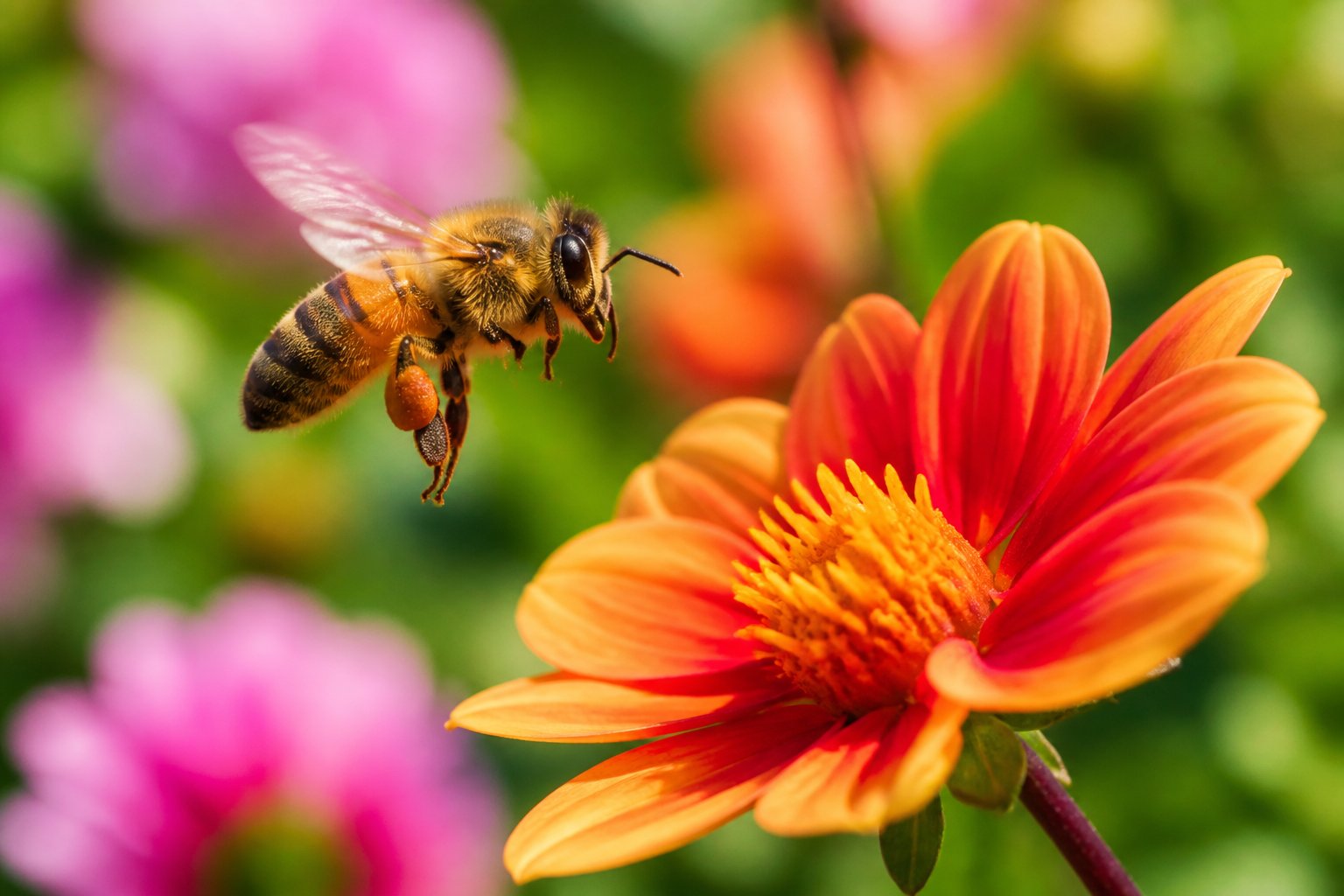
Bees fly very well because their wings work in a very different aerodynamic regime than fixed wings, so the viral quote is wrong even if it is catchy. When you see the line circulating on Reddit, it is usually a shorthand for that mismatch, not a real physical impossibility.
Why The Claim Is Wrong

The short version is simple: the claim assumes a bee should fly like a small airplane, and that assumption fails. Once you look at insect wings in motion, the math changes a lot.
The Short Answer Reddit Readers Are Looking For
A bee can fly because it beats its wings rapidly, changes wing angle during each stroke, and creates lift in ways fixed-wing aircraft do not. The common joke persists because people hear a simplified calculation and treat it like a real biological model.
That is why the Reddit version of the myth keeps returning in comments and memes, even when the science is already settled. The quote became famous through pop culture, not through aerodynamics.
Why Airplane Math Does Not Apply To Insects
Airplane equations assume steady airflow over rigid wings. A bee’s wings flap, twist, and reverse direction constantly, so the airflow around them is far from steady.
A bee’s wing is also tiny relative to its body, yet it moves so fast that it moves enough air to generate the necessary forces. The result is that the same equations used for a glider or jet are not the right tool for bee flight.
How The Myth Became So Repeatable Online
The line is memorable because it sounds like a precise scientific fact. It also spreads easily because the wording is dramatic, easy to quote, and useful in jokes about physics.
A lot of Reddit reposts borrow the same setup, then present the punchline as though it were a mystery. That repetition makes the claim feel older and more credible than it really is.
How Bees Actually Generate Lift

Bee flight relies on rapid wing motion, wing rotation, and flow structures that build lift during each beat. The important part is not one trick, it is the combination of several effects happening together in real time. Bee flight, leading-edge vortex, unsteady aerodynamics, and wing rotation all matter here.
Rapid Wingbeats And Bee Flight
Bee wings beat extremely fast, often well over a hundred times per second. That speed helps the insect move a surprising amount of air despite its small size.
In practice, what stands out is how much control bees have at that scale. They can hover, dart, land, and carry pollen because their wing motion is precise, not because they are barely surviving the laws of physics.
Wing Rotation And Angle Of Attack
Each wing stroke is not a simple back-and-forth swing. The wings rotate at the end of each beat, which changes the angle of attack and helps keep lift-producing airflow attached in useful ways.
That rotation is part of why the wings stay effective through every reversal. If you watch slow-motion footage, the wing does not behave like a flat paddle, it behaves like a finely timed rotating airfoil.
Leading-Edge Vortex In Simple Terms
A leading-edge vortex is a swirling pocket of air that forms near the front edge of a moving wing. For bees, that vortex can help keep pressure differences strong enough to generate lift.
You can think of it as the wing briefly creating its own aerodynamic helper. Instead of airflow simply peeling away, the vortex stays organized long enough to support flight.
Why Unsteady Aerodynamics Matters
Unsteady aerodynamics means the airflow changes so quickly that steady-state formulas stop being enough. Bee wings live in that changing environment the entire time they move.
That matters because the wing is not trying to behave like an airplane wing in level cruise. It is exploiting changing airflow, rapid reversals, and coordinated twisting to stay aloft.
Where The Myth Came From And What Research Fixed
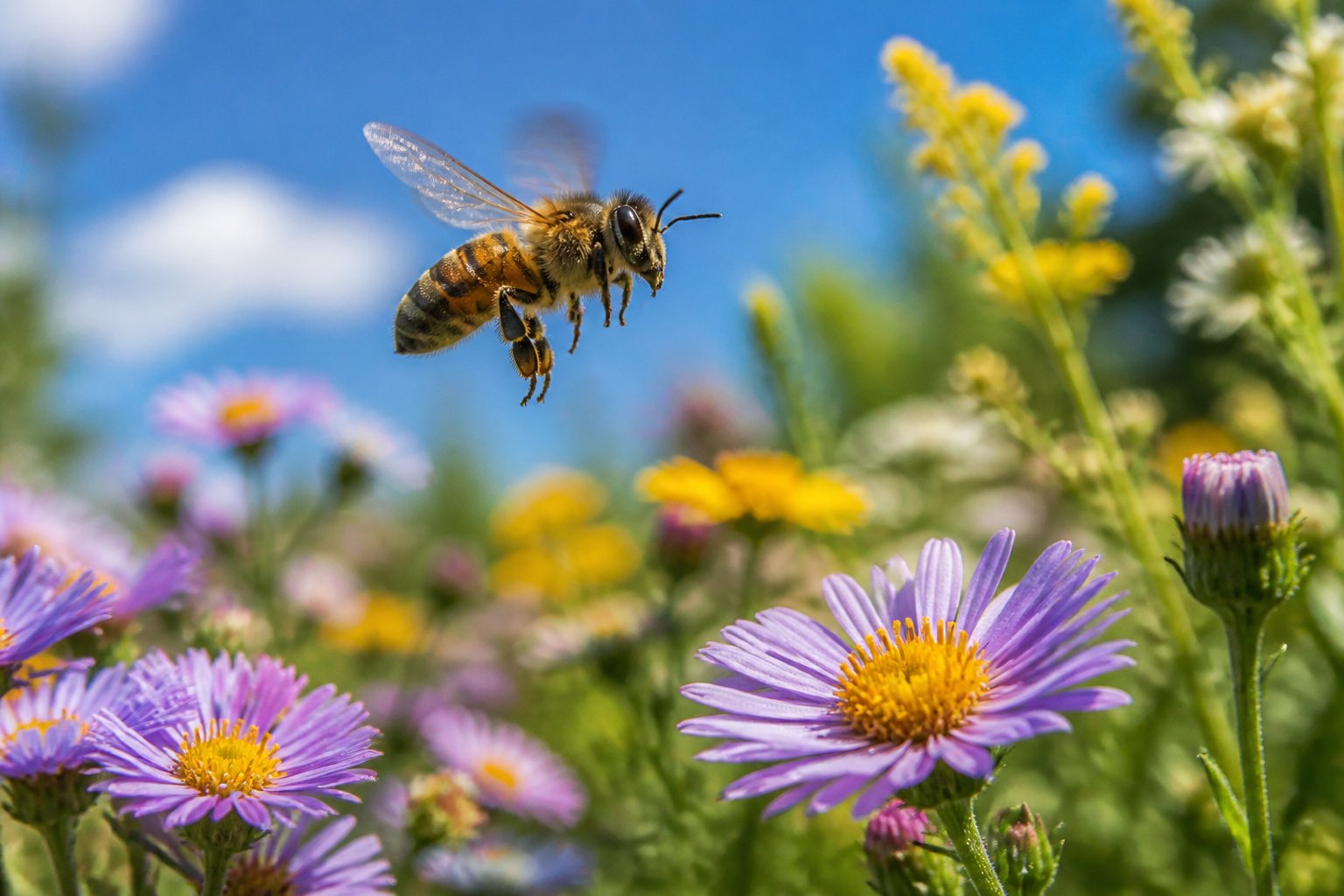
The myth started with an old fixed-wing interpretation that was never a good fit for insects. Later, high-speed cameras and improved analysis showed the motion in detail and corrected the early misunderstanding.
Antoine Magnan And The Fixed-Wing Misunderstanding
The classic story traces back to Antoine Magnan and related early calculations that treated bee flight too much like aircraft flight. Those estimates made bees look impossible only because the model was wrong for flapping wings.
A later summary of the history notes that the problem was not the bee, it was the fixed-wing assumption applied to an insect-sized flier. That distinction is the whole story behind the myth.
What High-Speed Cameras Revealed
Once researchers used high-speed cameras, they could see the wing rotation, stroke reversal, and vortex behavior frame by frame. That evidence made it clear that bees were not violating physics, they were using physics that earlier models had ignored.
The visual record also helped end a lot of casual skepticism. When you see the wings in motion, the old airplane comparison stops making sense immediately.
Why Modern Experiments Confirm Normal Physics
Modern experiments keep showing that bee flight fits normal physics once you choose the right model. The lift comes from measured airflow, controlled wing motion, and repeatable fluid dynamics, not from any mysterious exception.
That is why the claim remains a meme, not a scientific problem. The bee is not breaking aerodynamics, it is showing you a version of aerodynamics you cannot see from a fixed-wing mindset.


