
A bee’s nest near your home can be nerve-wracking, right? But don’t panic just yet.
Honestly, the safest way to get rid of a bee’s nest is to reach out to a professional beekeeper or pest control expert. They can remove or relocate the nest without hurting the bees—or you.

If you’d rather handle it yourself, you can try natural tricks like citronella to make bees leave. Just remember, you’ll need safety gear and a careful approach if you want to avoid getting stung.
The right steps can keep both you and the bees safe while solving the problem.
Knowing how to remove bee nests properly helps you protect your home and enjoy your yard without worry.
Let’s look at some safe, effective ways to deal with a bee’s nest—whether it’s outside, in your walls, or even underground.
Best Ways To Get Rid Of A Bee’s Nest Safely
Getting rid of a bee’s nest safely really comes down to knowing the right steps for you and the bees. First, figure out what kind of bee and nest you’re dealing with.
Then, pick a removal or relocation method that doesn’t hurt the bees. Sometimes, natural repellents work fine. Other times, you’ll want to call in a pro.
Identify The Type Of Bee And Nest
Start by figuring out which bee you’ve got. Honey bees, carpenter bees, and ground bees all build different nests.
Honey bees make hives out of wax, usually in walls or trees. Carpenter bees drill neat round holes into wood.
Ground bees dig little tunnels in the dirt.
Knowing the type helps you pick the right way to handle things. Honey bees are super important pollinators, so treat them with extra care.
If you find a nest inside your walls or home, things get trickier and riskier. Always wear protective clothes when you check out the nest.
Humanely Relocate Or Remove The Nest
If you want to protect the bees, relocation is the best bet. Professional beekeepers have the gear and know-how to move the whole nest safely.
You can call a beekeeper or bee removal service—they’ll gather the bees and move them somewhere better.
For small nests, you might try placing a box nearby to coax the bees to relocate. Don’t use insecticides; bees matter for pollination and the environment.
After the nest is gone, seal up any holes or cracks so bees can’t come back.
Natural Remedies And Repellents
Some natural tricks can convince bees to leave without hurting them. Sprinkling cinnamon near ground bee nests sometimes works after a few days.
Planting mint, citronella, eucalyptus, or cloves around your house can help keep bees away.
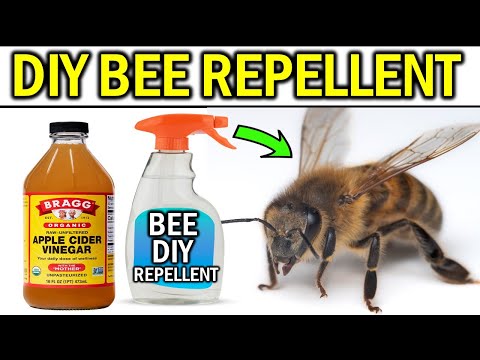
You can also try smoke or a vinegar spray, but be gentle and don’t overdo it. Skip harsh chemicals—they’ll kill bees and aren’t good for the planet.
If the nest isn’t huge or dangerous, these natural methods might be all you need.
When To Call Professional Help
If you find a nest in your walls, attic, or somewhere tough to reach, it’s time to call a pro. Don’t mess with chemicals or try to remove these nests on your own.
A bee removal service or exterminator can handle things safely and keep your home from getting damaged.
Professional beekeepers focus on moving the bees, while exterminators might use harsher methods. Ask about their process and choose someone who knows how to protect the bees.
Always go with someone licensed and experienced so things get done right.
For more tips on dealing with bee nests safely, check out What’s The Best Way To Get Rid Of A Bee’s Nest? Easy Tips For Safe Removal.
Preventing Future Bee Nests

If you want to stop bees from nesting near your place, you’ll need a few simple habits. Natural oils and a bit of home maintenance go a long way.
You’ll also need to keep yourself safe if you spot bees around—nobody likes a surprise sting.
Essential Oils And Natural Deterrents
Some scents just drive bees away (without hurting them). Try citronella candles, peppermint, cinnamon, or cloves in spots where bees might nest.
These smells mess with the scents bees use to pick their homes.
Mix up some essential oils with water and a splash of vinegar in a spray bottle. Spray this near eaves, cracks, or holes in your yard.
Just avoid spraying on plants you want to keep.
Neem oil is another option—mild but effective, and way safer than harsh chemicals. You’ll get the best results if you use these deterrents regularly, especially in the spring.
Protecting Your Home And Garden
Seal up spots where bees could sneak in or build nests. Use caulk to close up gaps around windows, doors, and vents.
Cover holes with metal screens. In your yard, check for ground holes and deal with ground bees early on.
Keep standing water away and make sure trash cans have tight lids so bees can’t find food or water nearby.
If you compost, keep it covered. Trim bushes and shrubs so there aren’t as many hiding places.
Planting strong-smelling herbs like rosemary or mint by doors and windows might also keep bees at bay.
Don’t spray insecticides on flowers that garden bees visit—you want to protect the good guys, after all.
Safety Tips For Bee Encounters
When you spot bees nearby, try to stay calm. Quick movements can make things worse.
Bees usually sting only if they feel threatened. I always wear light-colored clothes and skip the floral or dark patterns—those seem to attract them.
Keep a first aid kit handy with stuff for bee stings. Toss in some antihistamines and a cold pack, just in case.
If you have allergies, don’t forget your epinephrine injector (EpiPen). It’s better to have it and not need it than the other way around.
Don’t go after bees with harsh insecticide sprays, especially if they’re honey bees. Instead, call a local beekeeper or pest control pro who can handle nests safely.
Knowing your local bee species really helps you figure out the best way to deal with them.


