
You can totally keep seahorses, but honestly, they’re not low-maintenance pets. If you stick to stable saltwater, offer small frequent feedings, and set up a calm tank with gentle flow, your seahorses can actually thrive. A lot of keepers find them super rewarding, but you really have to give steady attention and get the setup right.

You’ll need to learn about tank size, water quality, feeding (frozen or live foods), and picking peaceful tankmates. This article digs into how tough seahorse care really is and what you’ll need to keep them healthy.
How Difficult Is It to Keep Sea Horses as Pets?

Caring for seahorses means you have to keep water steady, feed them small meals often, and set up a calm tank. It’s important to pick the right species and, honestly, captive-bred seahorses make things a lot easier.
Seahorse Care Level and Commitment
If you want a pet seahorse, be prepared for daily care. You’ll need to feed them two or three times a day with frozen mysis shrimp or live copepods.
Seahorses have small snouts and eat pretty quickly, so missing meals can cause them to lose weight fast.
You have to keep water quality steady. Shoot for 72–77°F, salinity at 1.020–1.025, pH between 8.1–8.4, and zero ammonia or nitrite.
Do weekly water changes—about 10–20%—and use gentle filtration. Strong currents just don’t work; seahorses aren’t great swimmers. They need hitching posts like fake coral or macroalgae.
Check on them every day. If you see them refusing food, floating weirdly, or losing weight, act right away.
You should also plan on a monthly budget for frozen food and salt mix.
Choosing the Right Seahorse Species
Some species are just better for hobbyists. Lined seahorses (Hippocampus erectus) are common and handle captive diets pretty well.
They usually grow to 5–8 inches and adapt to frozen mysis if they’re captive-bred.
Smaller or rare species can be picky eaters and get stressed easily. Temperate types need cooler tanks, while tropical ones want warmer, steady temps.
Choose a species that fits your tank—about 20 gallons per seahorse is a good rule to keep them happy.
Lifespan matters too. Most seahorses live 3–5 years if you care for them well.
If breeding interests you, pick a species that’s known to breed in captivity and make sure you’ve got space for the babies.
Captive-Bred vs. Wild-Caught Seahorses
Go for captive-bred seahorses when you can. They usually eat frozen food, fight off parasites better, and settle into tank life faster.
That means you won’t have to struggle as much with feeding problems.
Wild-caught seahorses often bring parasites and might refuse frozen food. Sometimes, they don’t last long in a home tank if they don’t adjust.
Always quarantine new arrivals for 2–4 weeks to watch for disease before adding them to your main tank.
By choosing captive-bred, you support sustainable trade and boost survival rates in your aquarium. If you end up with wild-caught, work with a reputable seller and expect to put in extra effort with quarantine and care.
What Do Sea Horses Need to Thrive?
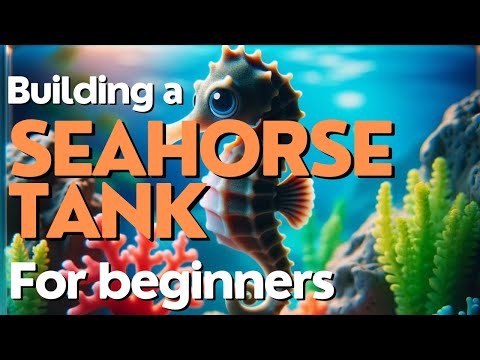
Seahorses need a tall, stable tank with gentle flow, steady water chemistry, small frequent meals, and safe tankmates. Before bringing them home, plan your tank shape, filtration, feeding routine, and quarantine process.
Seahorse Tank Setup and Maintenance
Pick a vertical tank—at least 30 gallons for a pair. Taller tanks give them more room to hitch and feel less stressed.
Use fine sand or just go with a bare bottom for easier cleaning. Add lots of hitching posts. Macroalgae, gorgonians, soft coral branches, or fake seagrass all work.
Set up gentle filtration with both mechanical and biological media. A protein skimmer helps clear out organics, but use a sponge or prefilter to keep suction low so you don’t lose small copepods.
Change out 10–20% of the water each week to keep nitrates down.
Cycle and mature the tank before you bring in seahorses. Quarantine any new animals for at least 2–4 weeks to check their eating and health.
Test ammonia, nitrite, and nitrate during setup and check daily at first.
Essential Water Parameters and Temperature Control
Keep salinity at 1.020–1.025. Aim for pH between 8.1–8.4.
Ammonia and nitrite should stay at zero. Try to keep nitrates below 20 ppm if possible.
Test water often with reliable kits until you see things are steady.
Hold the temperature steady between 72–77°F (22–25°C) for most tropical seahorses. Use a heater with a thermostat and a digital thermometer.
If you live somewhere warm, add a chiller or use a fan to keep temps from spiking. Sudden changes in temperature or salinity can really stress out seahorses.
Use RO/DI water mixed with good marine salt for top-offs and water changes. Record your readings after each change.
Small, regular tweaks help avoid shocks.
Diet, Feeding, and Nutrition
Feed frozen mysis shrimp as the main food—offer it two or three times a day. Use thawed, vitamin-enriched mysis from brands you trust.
Live copepods and amphipods are great for variety and help encourage natural hunting, especially for juveniles.
Offer live or freshly hatched baby brine shrimp to babies and to help picky eaters learn to feed. Set up a feeding station or use a small cup so your seahorses can find food without faster fish stealing it.
Take out uneaten food after 20–30 minutes to keep ammonia from spiking.
Rotate in vitamin-enriched feeds now and then. Watch their body shape—a rounded belly and regular eating mean they’re doing well.
If your seahorses stop eating, move them to quarantine and try live food to get them started again.
Tank Mates and Compatibility
Pick slow, peaceful tank mates for your seahorses. I’d recommend pipefish, small gobies, or maybe some cleaner shrimp.
Don’t go for fast, aggressive species like tangs, most clownfish, or those big wrasses. They’ll just snatch up food before your seahorses get a chance.
Some invertebrates work, as long as they don’t sting or hog all the food. Mushroom corals and a few LPS corals can live alongside seahorses, but only if they don’t create strong currents or release nasty toxins.
Keep an eye on your reef tank’s chemistry. Corals can mess with nutrient levels in ways you might not expect.
Watch out for bullying or competition at mealtime. Planning to keep a group or breed seahorses? You’ll want extra hitching posts and more than one feeding spot.
Always quarantine new arrivals. That way, you’ll lower the risk of bringing in parasites or disease.
If you want more setup tips or in-depth care advice, check out a detailed seahorse care guide like this seahorse aquarium overview (https://petcritique.com/seahorse-care-guide-everything-you-need-to-know-about-keeping-seahorses-as-pets-tank-setup-diet-costs/).


