
Ever wondered if orangutans are as aggressive as chimps? The answer might catch you off guard.
Orangutans usually act much less aggressive and seem more relaxed than chimpanzees. Chimps hang out in big social groups and compete pretty fiercely, but orangutans? They mostly keep to themselves and enjoy a quieter life.

Chimps use aggression to guard their turf and show who’s boss. Orangutans mostly steer clear of conflict and only get aggressive if they really have to.
These differences? They show how each ape’s lifestyle shapes how they act out in the wild.
If you want to know why they behave so differently, let’s dig into their habits and social lives a bit more.
Aggression in Orangutans vs. Chimpanzees
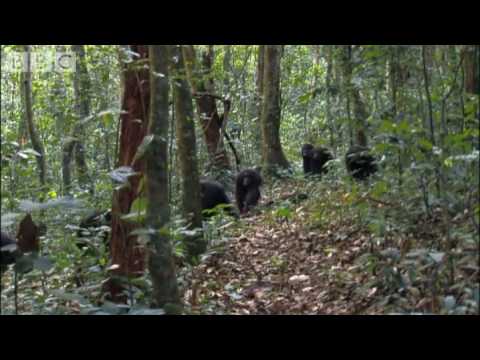
When you compare orangutans and chimpanzees, their aggression stands out in pretty obvious ways. Their social habits, daily routines, and reactions to threats all play a role.
These details really help explain why chimps come across as more confrontational.
Typical Aggressive Behaviors Observed
Orangutans tend to keep calm and avoid fighting. When they do show aggression, it’s usually about self-defense or fighting over a mate.
Their fights don’t last long and rarely get violent. Most of the time, they just threaten or show off rather than actually hurting each other.
Chimps, though, get aggressive more often and with more force. They bite, hit, and chase during fights.
Sometimes, chimps even team up to attack a rival, using some surprisingly strategic moves.
Chimps use aggression to keep order in their groups. Orangutans would rather just walk away.
Social Structures and Their Impact on Aggression
How these apes live makes a huge difference in how they act. Orangutans are mostly loners.
Adult males claim their own territories and keep their distance from each other, which means fewer fights.
Chimps live in big groups called troops, and there are lots of males fighting for status and resources.
This kind of setup leads to more aggressive run-ins.
With more males around, chimps end up in more conflicts. Orangutans, living solo, skip most of that drama.
Aggression Toward Humans and Other Animals
Orangutans rarely act aggressive toward humans. They usually just avoid or ignore anything that seems like a threat.
In captivity, though, stressed or crowded orangutans can get cranky.
Chimps might get aggressive with humans if they feel threatened. They sometimes show off or even attack to prove a point.
Both species can act out toward other animals. But chimps are more likely to hunt or fight other primates.
Orangutans try to dodge trouble and keep things peaceful.
If you want more on this, check out knowanimals.com.
Strength, Lifestyle, and Behavioral Differences

Orangutans and chimps differ a lot in strength, how they live, and how they act. These differences affect how they deal with each other and the world around them.
Physical Strength and Body Structure
Orangutans are bigger and stronger than chimps. Their long, powerful arms help them climb and swing through trees.
They can lift up to 500 pounds, which is pretty wild—more than double their own weight.
Chimps are lighter and more agile. They can’t lift as much as orangutans, but they make up for it by working together.
Their teamwork and quick moves help them during fights or when they need to solve problems.
So, orangutans have raw strength, but chimps rely on smarts and cooperation.
Habitat, Social Life, and Solitary vs. Social Behaviors
Orangutans spend most of their lives alone in big forest territories. This solo lifestyle means they don’t have to fight or compete with others very often.
They stick to the treetops and avoid conflict whenever they can.
Chimps, on the other hand, live in big groups that can have over 100 members. With so many chimps around, there’s a lot more competition for mates and space.
Fights break out more often because everyone’s looking to defend their spot.
It really all comes down to how they live. Orangutans keep things quiet and spread out, while chimps deal with the chaos of crowded group life.
Role of Orangutan Infants and Parental Protection
Orangutan babies stick close to their mothers for years—sometimes as long as 8 or even 10. This long stretch together gives the little ones a chance to learn at their own pace, in a calm and safe place.
Mothers make sure their babies pick up skills quietly, without tossing them into constant struggles or fights. I think this close bond really helps the infants avoid stress and early aggression.
The babies take their time growing up, slowly learning how to be peaceful and independent. It’s kind of remarkable how patient and gentle this process seems.
Now, chimp infants? They have a totally different experience. They grow up with lots of noisy, active group members all around.
From a young age, chimps deal with more competition, which can push them toward higher aggression as they figure out how to survive in those crowded troops.


