
Ever wondered if chimpanzees, our closest animal relatives, can actually fall in love like we do? The idea of love gets complicated, but chimps definitely show signs of deep affection, strong bonds, and caring behaviors.
They build close friendships, comfort each other, and stay loyal to family members. That sure sounds a lot like what we call love, doesn’t it?

Watch chimps groom, hug, or share food, and you’ll get a peek into their emotional world. They don’t just hang out together by accident—these apes form real connections that make them feel safe and supported.
Their actions show empathy and emotional bonds, even if their feelings aren’t quite the same as ours. It’s fascinating to see how much their lives mirror what we think of as love.
If you’re curious about what love might mean outside the human experience, looking at chimpanzees can be surprisingly heartwarming. Their social lives blend loyalty, trust, and care in ways that might just change how you see love in the animal world.
For more details, check out how chimpanzees experience love and affection.
The Emotional Lives of Chimpanzees

Chimpanzees show strong feelings through what they do. You can watch them care for each other, form close bonds, and help friends or family in tough times.
Their behavior reveals deep social connections and emotional intelligence. It’s not just instinct—it looks like real feeling.
Signs of Affection and Compassion
You’ll notice chimps grooming one another all the time. Grooming isn’t just about getting clean; it’s how they build trust and friendship.
Sometimes you’ll see them hugging, holding hands, or sharing food. All of these things show they care.
These gestures usually happen between close friends or family. When a chimp gets upset, others comfort them with gentle touches or hugs.
Frans de Waal, who knows a ton about primates, says this kind of caring proves they feel real affection. You can think of these moments as chimpanzee ways of showing love and kindness.
It helps the group stay calm and close.
Attachment in Family and Friendships
Mother chimps bond closely with their babies. They protect and teach their young for years.
This connection sits at the center of chimp family life. Friends among chimps stick together too.
Grooming helps keep these friendships alive. Some chimps rely on a few close allies for support—kind of like your own tight group of friends.
This loyalty shows how much relationships matter to chimps. Their social life really depends on these ties for safety and teamwork.
Empathy and Consolation Behaviors
Chimps can sense when another is stressed or hurt. They respond by comforting friends with hugs, grooming, or gentle touches.
That’s empathy—feeling what someone else feels. After fights, chimps often calm down those who are sad or scared.
Frans de Waal describes these moments as real emotional bonds. But chimps don’t comfort just anyone.
They focus on those they trust. You’ll see how empathy helps chimps build and keep close relationships, much like people do.
For more on how chimps express affection and social bonds, check out this article about their emotional bonds.
Love, Bonds, and Social Dynamics Among Great Apes
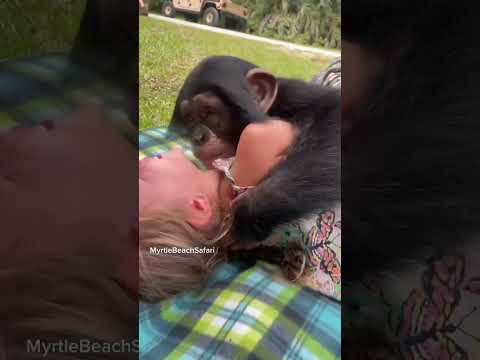
Great apes like chimpanzees and bonobos show love and strong bonds through grooming, hugging, and caring for each other. Their social lives mix friendship, family, and sometimes a bit of competition or tension.
How they express affection and build relationships really depends on the species.
Differences Between Chimpanzees and Bonobos
Chimpanzees usually have more hierarchical societies. Males form strong coalitions to compete for mates and territory.
This can lead to some aggression within their groups. You’ll see their bonds built through grooming, hugging, and sharing food, but yeah, tensions do pop up.
Bonobos act pretty differently. They’re more peaceful and use sexual behavior to lower stress and smooth over conflicts.
Their social bonds focus on cooperation and keeping the peace. Bonobos use sex for more than just mating—it helps them connect and settle arguments.
So, chimps’ connections often come with clear dominance, while bonobos lean on gentler ways to keep the group in harmony.
Mating Rituals and Relationship Patterns
Female chimpanzees let everyone know they’re fertile by the way their bodies swell and change color. Males definitely notice these signs, and they often compete for a chance to mate.
Chimps don’t stick with just one partner. Instead, they mate with several, which keeps their gene pool pretty diverse.
Male chimpanzees build alliances and sometimes even fight each other to get access to fertile females. All this competition can really shake up the social order in the group.
Bonobos, though, take a different route. They use sexual behavior all the time—not just to reproduce, but also to make friends or calm things down when tensions rise.
This habit actually helps bonobos keep the peace in their groups.
If you’re curious about love and social life among great apes, it’s fascinating to see how both chimpanzees and bonobos mix competition with cooperation in their relationships. There’s more on these differences in chimpanzee emotional bonds over at knowanimals.com.


