
So, you want to know if a chimp is happy? You’ll need to really watch their faces, body language, and the sounds they make.
A happy chimp usually flashes a “play face”—relaxed lips, bottom teeth showing, and those soft, breathy laughs or gentle calls. That’s their way of saying they feel good and are enjoying themselves.

You’ll probably catch chimps playing, grooming each other, or just moving around in a loose, easy way. When they stretch out or just chill with friends, that’s a solid clue they’re content.
If you listen for their quiet laughs or playful noises, you’ll get a better sense of their mood.
It’s honestly kind of fun to notice all these little things. Once you pick up on their signs, you might even feel a bit more connected to these clever, social animals.
If you’re curious about their expressions and sounds, check out how chimps show happiness through their behavior.
Key Signs a Chimpanzee Is Happy
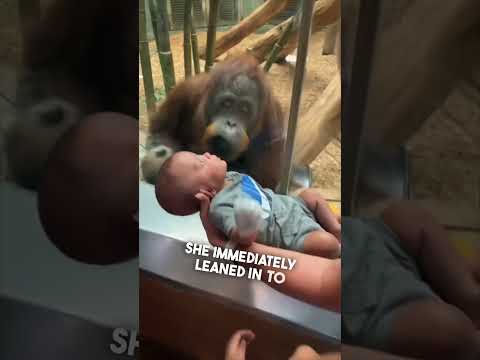
You can spot a happy chimp by watching how they look, listening to their sounds, and noticing how they move.
Each clue gives you a peek into their mood and comfort.
Facial Expressions and Play Faces
A happy chimp shows what’s called a play face. Their mouth hangs open and relaxed, lips cover the top teeth, but you might spot those bottom teeth.
Their eyes look soft and calm, not all tense or worried.
Chimps don’t smile like humans do when they’re happy. Instead, you’ll see lips purse a bit or hear those soft, gentle laughs.
Their brow relaxes, and their whole face just seems loose—not tight or stressed.
Noticing these little things helps you see when a chimp feels playful and safe. That play face is one of the easiest ways to spot their joy.
Vocalizations and Social Sounds
When chimps feel good, they make quiet, happy sounds. You might hear soft chuckles, gentle hoots, or those breathy laughs when they’re having fun.
These sounds usually pop up during play or when they’re grooming buddies.
Sometimes you’ll hear low grunts or gentle pants during calm moments. That’s a sign of trust and comfort.
But if you hear loud screams or sharp shouts, that’s usually a sign they’re upset or angry—not happy.
If you pay attention to these social sounds, you’ll start to catch when chimps feel relaxed and connected. Their vocal cues are like little happiness signals they share in the group.
Body Language Cues
Happy chimps move in loose, easy ways. They might sway, bounce, or gently touch each other.
You’ll often see them chasing or tickling friends—classic signs of a good mood.
A chimp that’s stretched out or just sitting calmly is probably comfortable. Grooming helps them feel better and builds friendships, too.
If you notice stiff or jerky movements, that usually means stress. So, look for those smooth, gentle gestures to spot a happy chimp.
Their body language really tells you a lot about their mood.
For more on this, check out how chimps use facial expressions and sounds to show feelings at How to Tell if a Chimp Is Happy.
Understanding Chimpanzee Happiness

Chimpanzee happiness depends on a bunch of things happening around them every day. Their moods shift with the people and places they’re with.
You can pick up a lot just by watching how they act with others and what their environment feels like.
Positive Social Interactions
Chimps are social creatures, no doubt about it. They feel happiest when they’ve got strong bonds with others.
If you see chimps playing, grooming, or sharing food, you’re looking at a group enjoying good relationships.
Look for gentle touches, relaxed moves, and soft noises. These show chimps trust each other and feel safe.
When a chimp feels connected to the group, you’ll notice they’re more relaxed and joyful.
But if there’s fighting or a chimp gets left out, their mood can drop fast. So those positive moments with friends really matter for their happiness.
Influence of Genetics and Environment
Your chimp’s personality comes partly from its genes. Some chimps just seem naturally calmer or a bit more cheerful than others.
These personality differences shape how often they look happy. You’ll probably notice it if you spend any time around them.
But where a chimp lives—and how people treat it—matters a lot too. When chimps have plenty of space, good food, and feel safe, their mood usually gets a boost.
On the other hand, stressful environments or poor care can really drag down their happiness.
You can often spot this mix of nature and nurture just by watching a chimp’s daily behavior.
For more about chimp emotions, check out How to Tell if a Chimp Is Happy.


