
Frogs can actually be a pretty helpful addition to your home, especially if you’ve got a garden out back. They gobble up all sorts of insects—mosquitoes, caterpillars, you name it—which keeps pests in check without relying on chemicals. That makes your outdoor space healthier and, honestly, a lot more pleasant to hang out in.
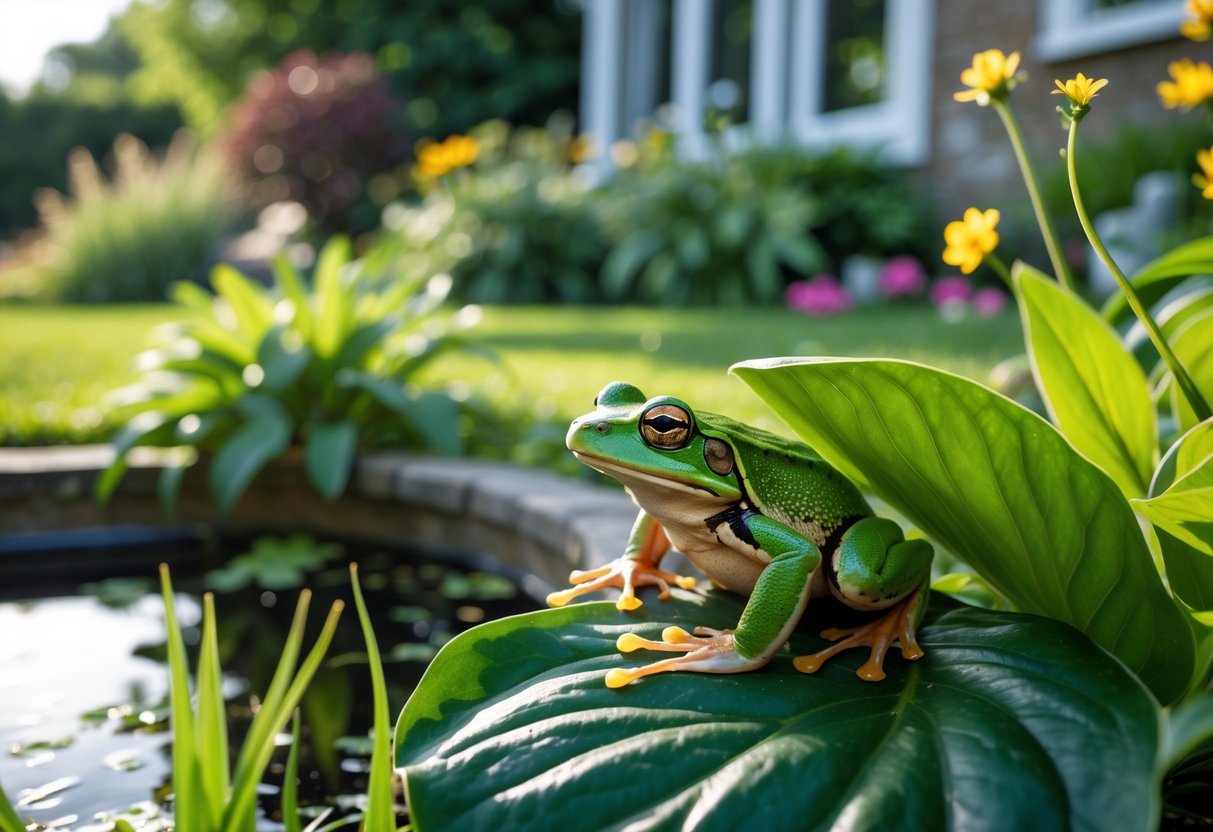
But here’s the thing—not all frogs are created equal. Some make toxins that could be bad news for pets or little kids if anyone picks them up.
Knowing what kinds of frogs hang around your home really changes how safe and helpful they’ll be for you.
If you want frogs around but don’t want the headaches, you’ll want to set up a good habitat and learn some management tricks. That way, you get their natural pest control but skip the noise and surprise guests. Want the full scoop? Check out the guide.
Key Benefits and Risks of Having Frogs Around Your Home
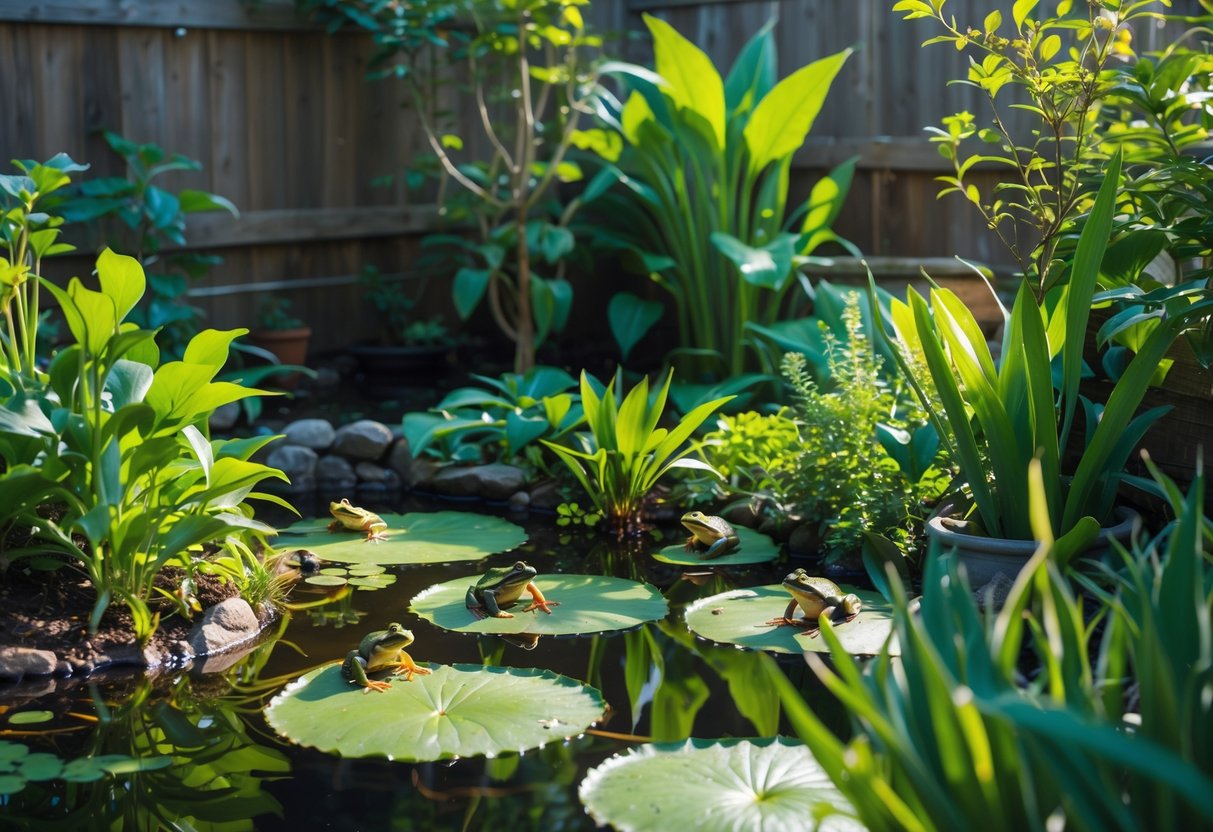
Frogs can do a lot for your garden and the local ecosystem. They’ll snack on insects and pests, keeping your plants safer the natural way.
Still, a few frogs carry toxins or cause a racket. You’ll want to know which species might show up and what trouble they could bring.
Natural Pest Control and Ecosystem Benefits
Frogs are real pros at cutting down pest numbers. One frog can eat more than 100 insects a day—mosquitoes, caterpillars, all those bugs that wreck your plants.
You won’t need as many chemical sprays if you’ve got frogs doing the work.
They fit into the ecosystem too, serving as food for birds, snakes, and other critters. Seeing frogs around usually means your environment’s in good shape since they react quickly to pollution.
If you set up water, shelter, and native plants, you’ll attract frogs and maybe keep them around. That’s good for your garden and, honestly, for your whole neighborhood’s health.
Potential Health and Safety Concerns
Some frogs make toxins that could irritate your skin or bother pets. Take the pickerel frog—it releases mild toxins in its skin. Most frogs near U.S. houses are safe, but it’s best to avoid touching unknown ones.
Frog noises can really get loud during mating season. That might mess with your sleep or quiet evenings if there’s a bunch of them.
You could end up attracting predators like snakes or raccoons, too. That’s not always a welcome surprise.
Teach kids and pets to leave frogs alone. If someone touches a toxic frog, just wash up with soap and water.
Keep an eye out if you suddenly see way more frogs than usual. Too many can overwhelm your yard.
Frog Species to Watch Out For
Most frogs near houses in the U.S. won’t hurt you, but a few species are toxic or invasive. Cane toads, for example, aren’t native and pack strong toxins that can really harm dogs and small pets.
Native frogs like Fowler’s toad and the pickerel frog have mild toxins. These usually bother small animals more, but you still want to be careful.
If you spot a sudden frog invasion, try to figure out which species you’re dealing with—photos help. Call local wildlife services if you find something like a cane toad or Colorado River toad.
Knowing what’s living nearby helps you stay safe while still enjoying the perks frogs bring. Want more on managing local frogs? Check out are frogs harmful to have around your home.
How to Manage Frogs Around Your Home and Prevent Problems
You can manage frogs by figuring out where they hang out, removing what draws them in, and using safe ways to keep them at bay. If you control moisture and insects, you’ll make your yard less appealing.
Simple, natural fixes can work without hurting the frogs or your garden.
Identifying and Addressing a Frog Infestation
Start by checking your yard for frog hangouts. Look for damp spots—puddles, bird baths, clogged gutters.
Frogs love wet places for shelter and breeding. Tall grass and thick shrubs also give them good hiding places.
If you see a bunch of frogs at once or hear loud croaking at night, you probably have an infestation.
Don’t hurt them. Instead, remove the things that attract frogs and gently move any you find inside the house.
Proactive Tips to Keep Frogs Away
Focus on getting rid of standing water around your house. Fix drainage and empty any containers holding water.
This stops frogs from breeding.
Cut down on insects by turning off outside lights or switching to warm-colored bulbs. Fewer bugs mean less food for frogs.
Keep your plants trimmed and skip the dense mulch. Those spots make great hiding places.
You might also try motion-activated lights outside. That way, frogs won’t get drawn in by constant light at night.
Safe and Effective Frog Repellent Methods
Try using natural repellents like peppermint, lemongrass, or tea tree oil mixed with water. Just spray the mixture in those damp, shady spots where you usually see frogs.
Remember to reapply after it rains. Honestly, it’s easy to forget.
You can also spread diatomaceous earth or even crushed eggshells around your garden beds. Frogs really don’t like crossing these barriers, and your plants stay safe.
If you’re open to it, you might encourage birds or even snakes that eat frogs. They’ll help keep the frog population down without any harsh chemicals.


