
You might spot a doe and wonder—will she charge, or just dart off? Female deer usually aren’t aggressive, but when it comes to protecting their fawns, securing food, or holding social rank, they can act pretty sharply.
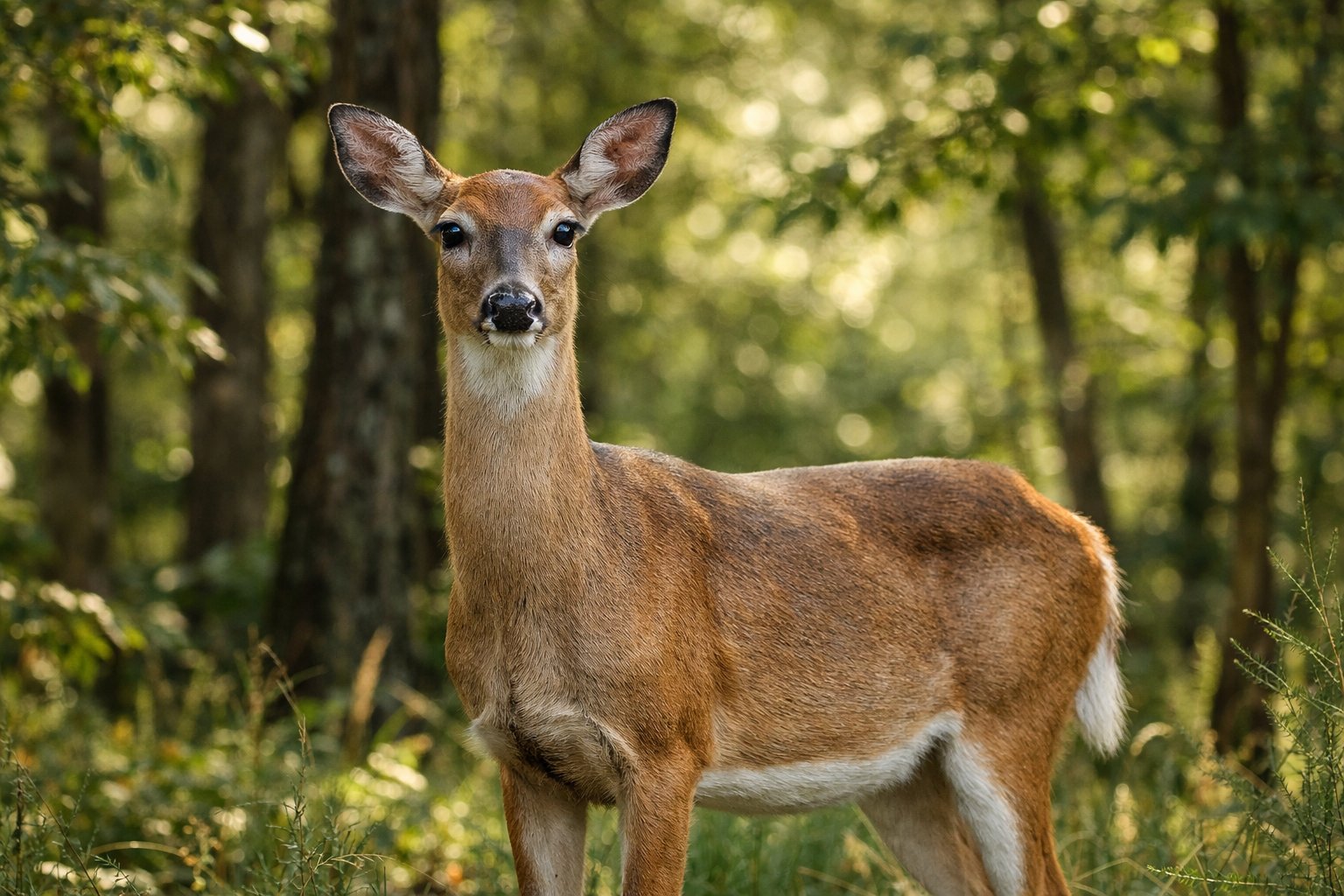
Keep an eye out for signs—flattened ears, snorts, or if she turns sideways to you. These often warn you before a doe steps up her behavior.
This post digs into what actually triggers real aggression, how to spot it, and what a doe’s trying to say with her body language.
Understanding Female Deer Aggression

Female deer can seem calm, but they act aggressively in pretty clear ways. You’ll see when they react, how they warn you, and why mothers just won’t back down when it comes to fawns.
Why Female Deer Become Aggressive
Does get aggressive mainly for food, space, and social rank. If food’s scarce or too many deer crowd a small area, you’ll notice more pushing and chasing as they guard feeding spots.
High population density means more stress and more fights over the best browse and water.
Age and size play a role. Older or bigger does usually act like the boss and push younger ones away from prime food.
A sick or injured doe might be quicker to pick a fight. Human stuff—like habitat loss, people feeding deer, or just being around too much—also ramps up competition and aggression.
Seasonal changes matter, too. In late winter and spring, resources get tight and group dynamics shift, so tension rises.
During the rut, you’ll still see does sparring over space and condition, but not fighting over mates.
Body Language and Warning Signs
You can spot warning signs before things get physical. Watch for flattened ears, a hard stare, or a raised tail—those mean irritation and a readiness to act.
A doe might lower and shake her head, or sidle up to check your reaction. Chasing and head-butting often come next.
Since does don’t have antlers, they’ll strike and kick with their front feet. Snorts aren’t just for show; they warn others and can draw a crowd fast.
If you see a doe pawing the ground or circling, just back away slowly. Don’t run—sudden moves can trigger a chase.
Always keep dogs leashed. Dogs almost always provoke a defensive charge, especially from does with fawns.
Maternal Instincts During Fawning Season
During fawning season, does get way more protective. They’ll pick isolated bedding spots and guard them fiercely from other deer or anything they see as a threat.
If you get too close, she might charge or let out a loud alarm snort. Sometimes, a mother will try to lead you away from her fawns, then sneak back later.
If you spot a fawn, don’t approach. The doe will ramp up from staring to chasing or even kicking if she feels you’re too close.
Your presence near a fawning site just makes an attack more likely. Give these areas a wide berth, especially if you’ve seen fawns around recently.
If you come across a lone fawn, leave it. Moms hide them on purpose and come back later—messing with the fawn could get you in trouble with the doe.
For more about deer warning signals, check out guides like the one from the Texas Parks and Wildlife Department (whitetailed body language).
When and Why Aggressive Behavior Occurs

Deer get aggressive for reasons you can usually spot. Most conflicts come down to food, space, people, or stress from a shrinking habitat.
Competition for Resources and Herd Hierarchy
Does fight for food, water, and safe bedding—especially in winter or during droughts. When forage gets scarce, dominant females push others away to keep their own access.
You might see flattened ears, snorts, or short charges as a warning before a shove or a kick. This sets the pecking order, so the group doesn’t have to fight constantly.
Younger or less dominant does get pushed into riskier spots, closer to predators or roads. Watching where and when deer feed can help you avoid walking into tense situations.
Impact of Human Interaction and Feeding
Feeding deer changes their behavior and makes close encounters more likely. If you hand out food, deer lose their fear and start showing up in yards, near pets, or on roads.
A doe with fawns might see you or your dog as a threat and act to drive you off. If a deer seems bold, back away slowly, keep pets leashed, and stop feeding.
If you notice pawing or a lowered head, that deer might escalate—just give it space until it leaves.
Effects of Habitat Loss and Environmental Stress
Losing trees, fields, and wetlands shoves deer into smaller areas and ramps up competition. If you see more deer in neighborhoods, it probably means they’ve lost wild food or safe cover.
Stress from poor nutrition, parasites, or constant human presence makes deer jumpier. In high-pressure spots, does defend tiny patches of cover or water.
Planting deer-resistant plants and keeping brushy cover away from busy areas can help cut down on tense run-ins near homes.
How to Respond to Aggressive Deer
If a deer starts acting aggressive, keep your distance. Try not to make any sudden moves.
Stand tall, make yourself look bigger, and use a firm voice. Start backing away slowly—whatever you do, don’t run.
When a doe blocks your path, just take a different route. Forcing your way through isn’t worth it.
If you’ve got pets with you, scoop them up or put them on a leash right away. Feeding deer, especially during fawning season, is a bad idea.
If you notice a deer acting aggressively again and again in a populated area, let local wildlife or parks staff know. They’ll figure out what to do next.


