
Coyotes usually act shy and try to avoid people. If you spot one, chances are it’ll bolt if you make noise or walk toward it.
Coyotes can get spooked pretty easily at first, but if they start getting comfortable around people, they might not run away—and sometimes, they’ll even get bold or aggressive.

Ever wonder why some coyotes don’t seem afraid at all? When they get used to people, they just lose that natural fear.
So, simply yelling or waving your arms might not work anymore. It’s good to know this so you can keep yourself safe and figure out how to keep coyotes out of your yard.
If you’re curious about what actually scares coyotes and what you should do if one comes too close, stick around.
Knowing how to handle these situations can help protect your pets and give you some peace of mind if you ever run into a coyote.
How Easily Are Coyotes Spooked?
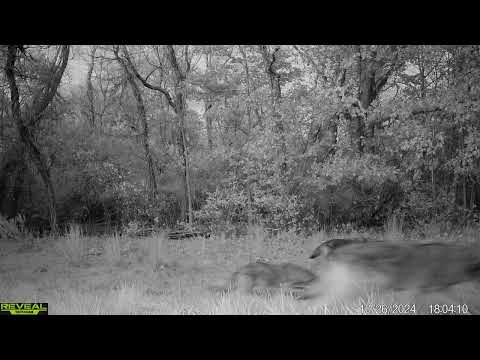
Coyotes usually keep their distance from people. How easily they get scared really depends on their instincts, where they live, and how much they’ve been around humans.
Once you know these differences, you’ll have a better idea of what to expect if you see one.
Natural Instincts and Cautious Behavior
Coyotes rely on their instincts to stay out of trouble. If they see or hear someone, they often just take off.
Their “fight or flight” reflex almost always pushes them to run, especially if they haven’t dealt with people much.
They’re cautious by nature. Loud noises, sudden moves, or bright lights can startle them pretty fast.
But if they feel stuck or cornered, they might stand their ground instead of running.
Most of the time, coyotes just want to avoid drama. They hunt small animals and look for safe spots, so they usually keep away from people when they can.
Differences Between Urban Coyotes and Rural Coyotes
Coyotes in cities or suburbs have a different routine than those out in the country. Urban coyotes see people and hear noise all the time, so they get used to it.
This makes them less nervous and sometimes harder to scare off.
Rural coyotes have more space and fewer people, so they’re more likely to stay away. Urban coyotes hang around neighborhoods because they find easy meals—trash, pet food, or rodents.
So, urban coyotes might not run off right away, and you might have to yell or wave your arms to get them moving.
Rural coyotes usually spook with just a little noise or movement.
Human Interaction and Habituation
When coyotes get used to people, it’s called habituation. If you feed them or don’t scare them off, they lose their natural fear.
Coyotes that get comfortable around humans might come closer or even approach pets, which can lead to problems.
It’s best not to feed coyotes or leave food outside. If you see a coyote that doesn’t leave, try “hazing” it—shout, wave, or toss something nearby (never at it) to remind it to keep its distance.
Coyotes that aren’t scared anymore can sometimes act aggressive, especially if they feel threatened.
Keep your distance and make sure they can’t find food near your home. That way, you lower the risk of coyote problems.
For more info on handling these situations, check out Are coyotes easily spooked?.
Top Things Coyotes Are Afraid Of
Coyotes usually act cautious and want to avoid danger. Some animals, noises, and gadgets can help keep them away from your place.
If you know what they’re scared of, you’ll have an easier time protecting your pets and garden.
Predators That Intimidate Coyotes
Coyotes get nervous around bigger predators like wolves, mountain lions, bobcats, and bears. Wolves top the list since they’re stronger and often chase coyotes off their turf.
Mountain lions and bobcats can easily overpower coyotes too, so their presence makes coyotes uneasy.
If you live where these animals roam, just having them around can help keep coyotes away. Even the smell or tracks of these predators can scare coyotes off.
This fear helps keep wildlife in check.
Effective Ways to Scare Coyotes Away
You can scare coyotes by making yourself look big and making a lot of noise. Yell, wave your arms, or clap—these things usually startle them.
Try tossing sticks or rocks near (not at) a coyote to let it know you mean business.
Bright lights at night work too. Motion-activated solar lights that flash like predator eyes can freak coyotes out.
Loud sounds like airhorns, banging pots, or blasting music are quick ways to send coyotes running without hurting them.
Coyote Deterrent Devices and Techniques
Physical tools can really help if you’re after a longer-term fix. Solar predator control lights are easy to set up around the edge of your yard.
These lights flick on when something moves nearby, so they might scare off coyotes before they even get close.
Try adding barriers, too—fences that actually keep coyotes out work best. Lock up your trash and bring pet food inside; otherwise, you’re basically rolling out the welcome mat for coyotes.
Mixing noise makers, bright lights, and good habits around your property gives you a solid defense. You don’t have to deal with coyotes up close, and your place feels a lot safer.
If you want more specific advice on keeping coyotes away, take a look at these ideas for scaring coyotes effectively.


