
Ever spotted a coyote close by and wondered if it might be aggressive? Most coyotes aren’t naturally aggressive—they’d rather avoid people if they can. Attacks on humans? Pretty rare, and they usually happen only if a coyote feels cornered or wants to protect its pups.

Sometimes coyotes get bolder, especially if they’ve gotten used to human food or can’t find their usual prey. But honestly, most of the time, they just want to keep their distance.
It’s a good idea to know what to do if you bump into a coyote. That way, you stay safe—and so does the animal.
How Aggressive Are Coyotes Towards Humans?
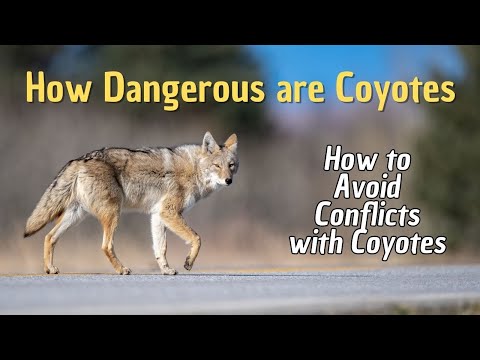
Coyotes tend to avoid people and don’t act aggressively by nature. Still, their behavior can shift depending on where they live, what they’re used to, and how people behave around them.
It’s smart to know when coyotes might act up, just to be on the safe side.
Frequency and Statistics of Coyote Attacks on Humans
Coyote attacks on humans are rare across North America. Even though coyotes account for about 31% of all large carnivore attacks on people here, these incidents almost never happen.
In places like Cape Breton Highlands National Park, people have reported more than 30 coyote incidents in recent years. There was even a fatal attack back in 2009.
But outside of unusual spots like that, serious or deadly attacks almost never get reported.
If you live near coyotes, your chances of being attacked are extremely low. Staying alert and a bit cautious is enough.
Typical Coyote Behavior Around People
Most coyotes act shy and steer clear of humans. They usually take off as soon as they spot someone.
Coyotes don’t want to pick a fight—they’re more likely to seem nervous than bold.
If you see a coyote, it’s probably just passing through or chasing after a rabbit. They might growl, bark, or show their teeth if they feel threatened, especially if they have pups around.
Actual attacks? Those are pretty much limited to situations where the coyote feels cornered or scared.
Coyotes mostly keep out of sight and stick to dawn, dusk, or nighttime hours. If you see one acting bold during the day, it’s likely gotten too comfortable around people.
Factors That Increase Coyote Aggression
Some things can make coyotes act more aggressive toward humans. One major reason is habituation—when coyotes get used to people because they find food near homes or parks.
If they start thinking people mean easy food, they lose their natural fear.
Coyotes also get defensive if you get too close to their den or pups. They may charge or bark to keep you away.
Food shortages or illness can make coyotes desperate and less cautious. Occasionally, coyotes that hunt bigger prey like moose might act bolder around people.
Urban Encounters and Coyote Sightings
You might spot more coyotes in cities or suburbs since their habitats overlap with ours. Urban coyotes hunt small animals and scavenge, but they still try to avoid people.
Seeing a coyote in your yard or at a park doesn’t mean it’s aggressive. Most city coyotes act wary and keep their distance.
If you come across a coyote that isn’t scared of you, that’s a red flag. It’s best to report that to local animal control.
Simple things—like locking up garbage, not feeding wildlife, and keeping pets safe—can really cut down the chances of coyotes acting bold or aggressive near your home.
If you want more info, check out how to avoid conflicts with coyotes.
Why Coyotes Become Aggressive or Attack Humans

Coyotes usually steer clear of people, but sometimes they lose that fear and act aggressive. Knowing what sets them off can help you avoid trouble.
Habituation and Feeding Coyotes
When coyotes get used to humans, they can lose their shyness. This often happens if people feed them on purpose or leave out food.
Coyotes start seeing people as a source of easy meals. Once that happens, they may show up more often and act much bolder.
This increases the risk of aggressive encounters, since coyotes begin to see humans as part of their world rather than something to avoid.
Don’t feed coyotes and keep garbage or pet food locked up. That helps keep them wild and lowers the risk when you’re outside.
Public education plays a huge role here—teaching folks not to feed coyotes really helps keep everyone safe.
Territorial Defense and Pup Protection
Coyotes take protecting their territory and pups seriously. If you get too close to a den or young coyotes, the adults might get aggressive.
During breeding or when they’re raising pups, you might notice them acting bolder near trails or parks. They just want you to stay away from their family.
If you run into coyotes, give them space. If they act aggressive, make yourself look big and loud to scare them off.
Respect their territory and you’ll avoid a lot of stressful situations.
Health Issues and Rabies Risk
Sick coyotes can get oddly aggressive, especially when they’re dealing with rabies. Sometimes, they lose their natural fear of people, which is honestly unsettling.
Rabies makes coyotes confused and drives them to act out in extreme ways. That kind of behavior can lead to attacks.
If you ever see a coyote stumbling around or biting for no reason, just keep your distance. It’s best to call wildlife officials right away.
These situations don’t happen often, but they’re serious when they do. Wildlife teams usually step in to catch and remove sick coyotes, trying to keep everyone safe.


