
So, you’re wondering if a coyote would hurt your dog? The truth is, yeah—coyotes can attack dogs, especially smaller ones, if they feel hungry or threatened. These attacks aren’t super common, but they do happen more often now that coyotes are showing up in neighborhoods and backyards.
It’s good to know this stuff so you can keep an eye out and protect your pet.

Coyotes don’t just stick to nighttime—they wander around in the daytime too, especially in quieter or more rural spots. Sometimes, your dog might get curious or even chase a coyote without realizing the danger.
That can get risky fast if a coyote decides your dog looks like prey. Understanding how coyotes act and what to watch for can really help keep your pup safer outside.
For more practical tips and facts, check out dogster.com’s guide on keeping dogs safe from coyotes.
How Coyotes Can Hurt Dogs
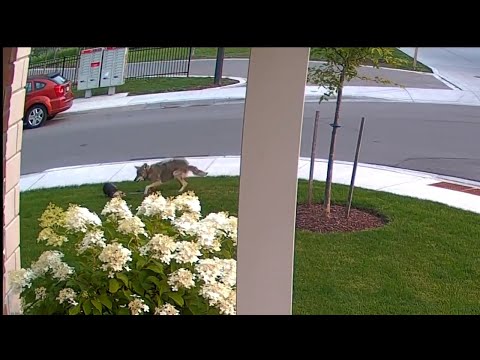
Coyotes can be a real threat, especially if your dog is small or just not that street-smart. Knowing how and when attacks happen, which dogs are at risk, and what diseases coyotes carry can make a big difference.
Common Scenarios of Coyote Attacks on Dogs
Coyotes usually go for it when they spot a chance, like if your dog’s off-leash or hanging around outside alone. Attacks often happen at dawn, dusk, or nighttime, since that’s when coyotes are out and about.
They might sneak up quietly, waiting for a small or distracted dog.
In the suburbs, coyotes have gotten bolder since their natural spaces keep shrinking. You’ll see more attacks near parks, trails, or unfenced yards.
Sometimes, coyotes attack because they feel threatened or want to protect their pups.
Which Dogs Are Most at Risk
Small dogs get targeted the most. Coyotes see dogs under 30 pounds as easy prey.
Breeds like Chihuahuas, Pomeranians, and little terriers? They’re especially vulnerable.
Even medium dogs can be at risk if a coyote is desperate for food.
Bigger dogs usually scare coyotes off because they look tough, but a starving coyote might still try its luck. It’s best to keep small dogs close and not let any dog roam free where coyotes live.
Coyote Behavior Around Dogs
Coyotes usually steer clear of people, but they’re pretty curious about dogs. Sometimes they’ll circle or bark at your dog, just to see what happens.
If your dog stays calm and sticks by you, coyotes tend to back off.
But coyotes can get aggressive if they think their territory or pups are in danger. Occasionally, coyotes and dogs mate and create “coydogs,” which are often more aggressive.
Watch for coyote body language—like stalking or growling—so you can react before things get bad.
Diseases Transmitted From Coyotes to Dogs
Coyotes carry some nasty diseases that can mess up your dog’s health. There’s rabies, which hits the brain and is almost always fatal if you don’t treat it fast. And distemper, a virus that causes breathing problems and can mess with the nervous system.
Coyotes also spread parasites like fleas, ticks, mange mites, and worms. Even if your dog never gets attacked, just being near coyotes can cause problems.
Regular vaccines and parasite prevention go a long way in keeping your dog safe.
For more tips, check out this guide on how to protect your dog from coyote attacks.
Prevention and Safety for Pet Owners

Keeping your dog safe from coyotes takes some effort, but it’s definitely doable. You can cut down the risks by being smart about walks, making your yard less inviting to coyotes, and removing anything that draws them in.
These steps matter a lot if you live somewhere coyotes pop up often.
Protective Measures During Walks
When you take your dog out, especially in places where people have seen coyotes, keep your pup on a short leash. It gives you more control and stops your dog from wandering into trouble.
Try to stick to daylight hours, since coyotes are most active early and late. If you have to walk when it’s dark, choose well-lit, busier routes and skip those quiet corners.
Bring a whistle or a noise maker to scare off any coyotes you spot. Stay alert—don’t get lost in your phone.
If you see a coyote, don’t turn your back. Make loud noises, wave your arms, or toss something nearby to scare it away.
Securing Your Yard Against Coyotes
A solid fence is your best bet for keeping coyotes out of your yard. Make sure it’s at least six feet tall and doesn’t have any gaps or holes.
Adding coyote rollers on top keeps them from climbing over. Check for digging at the bottom, too.
Motion-activated lights and sprinklers can help scare coyotes away before they get close. If your dog spends a lot of time outside, build a coyote-proof enclosure with a roof and sturdy sides.
That way, your dog can hang out outside without you worrying every minute.
Reducing Attractants Like Food and Garbage
Coyotes love easy meals, so you really need to keep your yard free of anything that might tempt them. Don’t leave pet food outside overnight—just bring it in after your pets eat.
Make sure your trash cans have tight lids, the kind coyotes can’t pry open. Pick up any fallen fruit from your trees, too.
Cover your compost piles, since those can attract curious coyotes before you know it. Try to feed your pets at regular times, and clean up right away so there aren’t leftovers sitting out.
All these steps make your place less appealing to coyotes. If you spot coyotes hanging around, it’s a good idea to let animal control know so they can help keep things safe for everyone.


