
Are you considering bringing a dog into your home for the first time? Boxers can be a great choice for first-time dog owners due to their friendly and loyal nature. These energetic dogs love to be around their families and often make wonderful companions for both adults and children.

Boxers are known for their eagerness to please, making training a rewarding experience. With their playful spirit and affectionate behavior, they can add joy to your life. However, you need to be prepared for their exercise needs, as they require regular activity to stay happy and healthy.
If you’re ready for an active and loving pet, a Boxer might be just what you need. With the right commitment to training and exercise, you’ll find this breed to be a fantastic addition to your household.
Understanding the Boxer Breed

Boxers are a unique breed known for their energetic personality and strong build. Understanding their temperament, physical features, and health can help you decide if a Boxer is the right pet for you.
Temperament and Personality
Boxers have a cheerful and playful temperament. They are often described as loyal companions who thrive on interaction with their families. This breed is known for being friendly, making them great with children and other pets.
Their intelligence allows them to learn quickly, but they benefit from consistent training and socialization. Boxers can also be protective, which adds to their appeal as family pets. Their high energy levels mean they require daily exercise to keep them happy and healthy.
Physical Characteristics
Boxers are medium to large dogs with a muscular build. They typically weigh between 50 to 80 pounds. Their short, smooth coat can be brindle or fawn, often with a white marking.
Boxers are known for their iconic square-shaped head and strong jaws. Their muscular legs give them speed and agility, making them quite playful. Because of their energetic nature, it’s important to have enough space for them to move and play.
Health and Lifespan
The average lifespan of a Boxer is around 10 to 12 years. Like many breeds, Boxers may face certain health issues, including hip dysplasia, heart problems, and certain cancers. Regular vet check-ups are important.
Maintaining a healthy diet and providing regular exercise can help prevent obesity, a common issue in Boxers. It’s also essential to be aware of signs of any health problems early, ensuring that your loyal companion stays happy and healthy throughout their life.
The Essentials of Boxer Care

Caring for a Boxer involves understanding their specific needs. They thrive on regular exercise, proper grooming, and a balanced diet. Meeting these essentials will help keep your Boxer healthy and happy.
Daily Exercise Needs
Boxers are energetic dogs that require plenty of daily exercise. Aim for at least 60 to 90 minutes of physical activity each day. This can include walks, playtime in the yard, or even trips to the dog park.
Engaging them in games like fetch can provide both exercise and mental stimulation. Boxers love to run and play, so mix it up with activities like agility training or obedience classes.
Without enough exercise, your Boxer may become bored and develop undesirable behaviors. Keeping their body and mind active is key to a happy, well-adjusted pet.
Grooming and Maintenance
Boxers have short coats that are relatively low maintenance. Brushing them once a week helps to remove loose hair and keeps their coat shiny.
During shedding season, you may need to brush them more often. Regularly check their ears, teeth, and nails. Clean ears with a vet-recommended solution to prevent infections.
Bathing your Boxer every few months will keep them clean. Use a gentle dog shampoo to avoid skin irritation. Lastly, don’t forget to keep an eye on their dental health by brushing their teeth regularly.
Nutrition and Diet
Feeding your Boxer a balanced diet is essential for their health. Look for high-quality dog food that lists meat as the first ingredient. Your Boxer needs protein for energy, especially given their active lifestyle.
Be mindful of portion sizes to avoid obesity. Divide their daily food into two meals to prevent bloating, which Boxers can be prone to.
Include some healthy treats like carrots or apples, but limit fatty snacks. Always provide fresh water. Regularly consult with your vet to ensure your Boxer’s diet meets their changing needs.
Training and Socialization
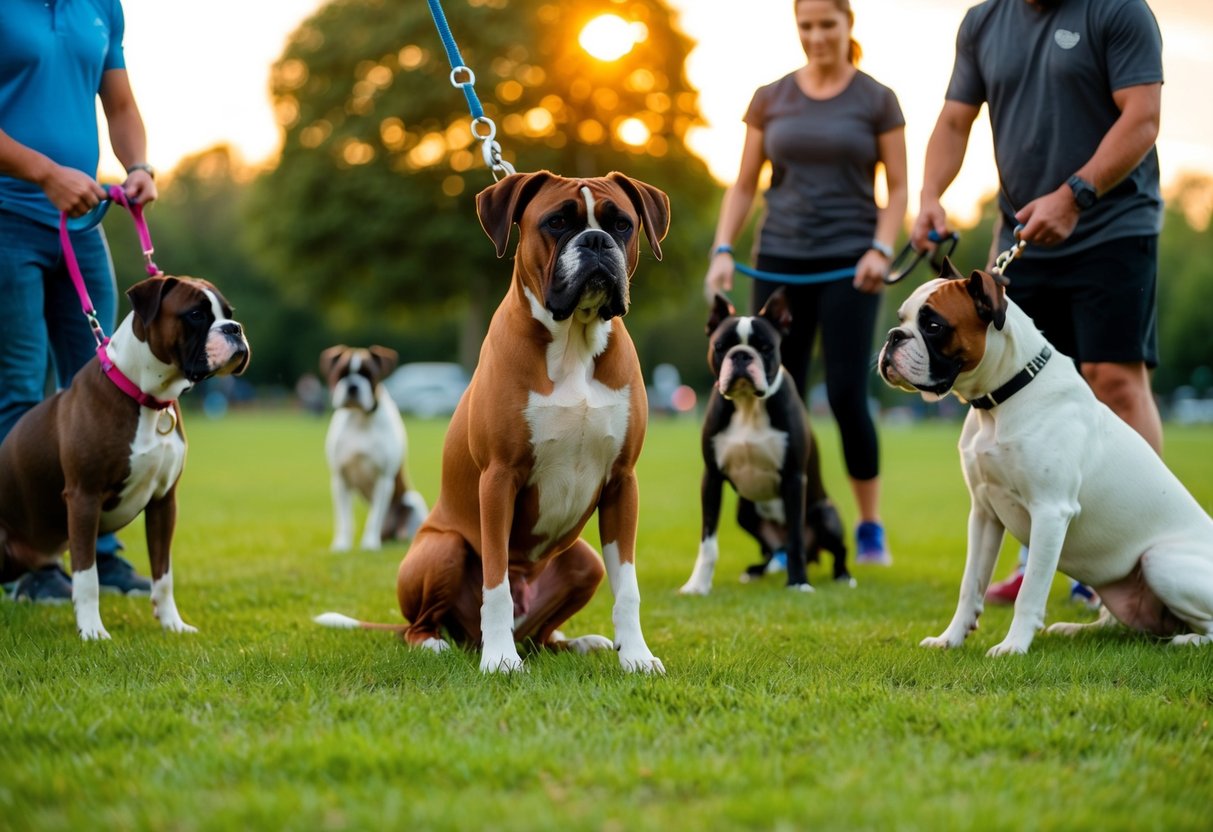
Training and socialization are crucial for Boxers, especially for first-time dog owners. These big-hearted and energetic dogs need positive reinforcement and clear guidance to thrive. You’ll want to focus on teaching obedience and helping your Boxer become comfortable in various settings.
Obedience Training
Obedience training is the foundation of a well-behaved Boxer. Start with basic commands like “sit,” “stay,” and “come.” Using positive reinforcement techniques will make training both effective and enjoyable. Reward your dog with treats, praise, and playtime when they follow commands.
Consider enrolling in a basic obedience class. This will give you professional guidance and create opportunities for socializing with other dogs. Training sessions should be short and engaging—typically 5 to 10 minutes each—as Boxers can lose focus quickly. Consistency is key, so practice daily to reinforce the skills your Boxer learns.
Socializing Your Boxer
Socialization is important for Boxers to develop into well-rounded pets. Begin socializing your Boxer early, exposing them to different people, dogs, and environments. This helps reduce fearfulness and aggression later in life.
Organize playdates or take your Boxer to parks. This creates opportunities for interaction. Be sure to supervise these encounters carefully. Gradual exposure to various sounds, sights, and experiences will help your Boxer feel more comfortable in new situations. Remember, socialization should be a positive experience, so keep things light and fun!
Handling Separation Anxiety
Boxers can experience separation anxiety due to their strong bond with owners. To manage this, start by getting your dog used to being alone for short periods. Gradually increase the length of time you’re away.
Create a safe space for your Boxer with their favorite toys and bedding. This makes them feel secure when you’re not around. You can also provide mental stimulation with puzzle toys to keep them busy. If separation anxiety becomes severe, consider consulting a professional trainer or a veterinarian for additional support. Addressing this issue early can lead to a happier, more relaxed companion.
Living With a Boxer
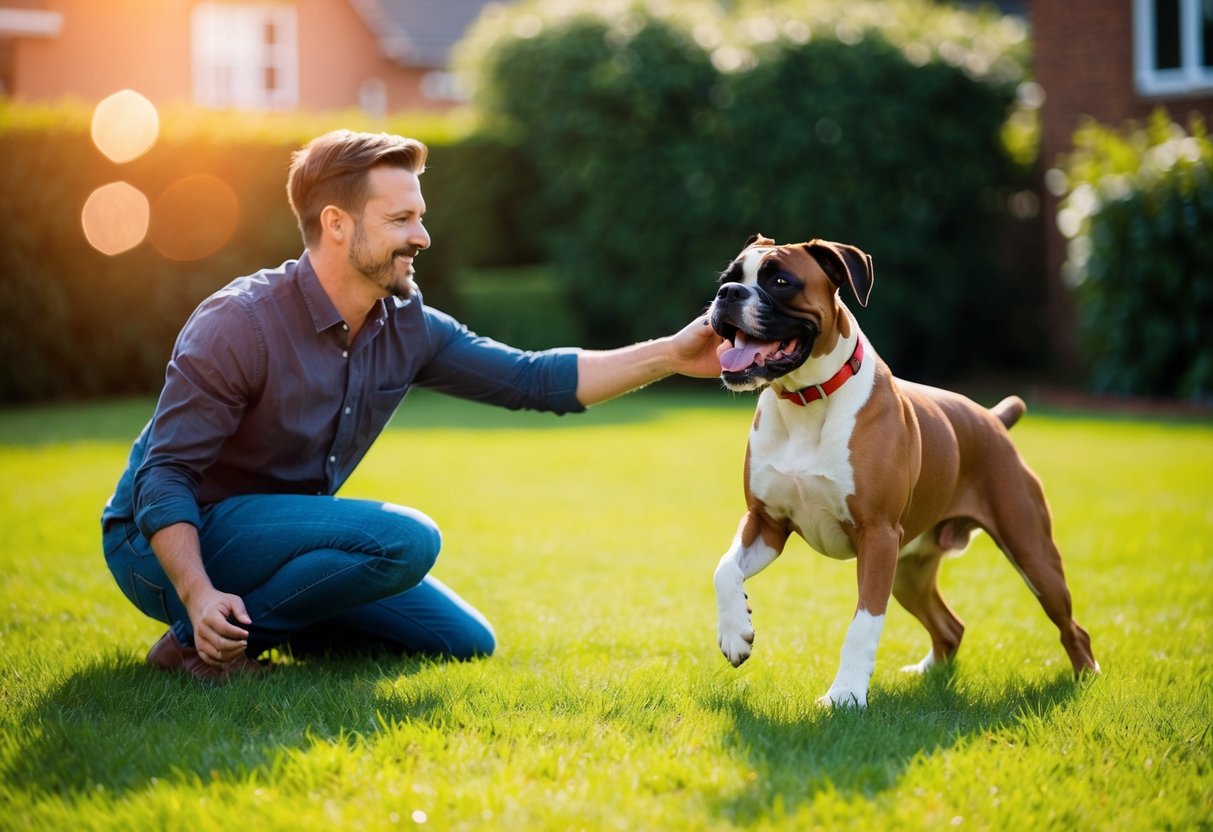
Boxers are known for their friendly demeanor and loyalty. They can be great family dogs, especially for homes with children. Their protective nature also makes them reliable guards for your family. Understanding how they fit into family life and different living situations can help you decide if a Boxer is right for you.
Family Life and Boxers
Boxers thrive in family settings. They are known for their affectionate nature and get along well with children.
Key Traits:
- Friendly: Boxers are social and enjoy being around people.
- Playful: They have a youthful energy that keeps the household lively.
Their patience and tolerance make them ideal companions for kids. Training your Boxer early can enhance these relationships, ensuring they are well-behaved and safe around children. They love to play games like fetch, providing both exercise and bonding time.
Boxers as Watchdogs
Boxers are protective dogs, making them excellent watchdogs. Their loyalty and alertness ensure they will notice anything unusual around your home.
Protection Features:
- Vigilant: Boxers are naturally attentive and will bark to alert you of strangers.
- Loyal Companions: They form strong bonds with their families.
While they are friendly with family and friends, Boxers can be cautious with unfamiliar faces. This balance of affection and protectiveness contributes to a secure feeling in your home. Training them to discern between friend and stranger will enhance their protective instincts without making them overly aggressive.
Adaptability in Various Living Environments
Boxers are adaptable dogs that can fit into different living situations. Whether you live in a house with a yard or a small apartment, they can adjust well.
Adaptability Traits:
- Exercise Needs: Boxers need regular exercise but can manage in smaller spaces if you take them outside frequently.
- Social Dogs: They enjoy interaction and will thrive in social environments.
Your Boxer will enjoy walks and playtimes, which can be managed even in limited spaces. This breed can also adapt to homes with other pets, given proper introductions. They are energetic but can relax at home after a good play session.


