
When a bee buzzes close by, you might pause and wonder: is it friendly, or is it just waiting to sting? Honestly, bees aren’t out to get you—they usually mind their own business and only sting if they feel threatened or messed with. Their main focus is food and hive care, not bothering people.
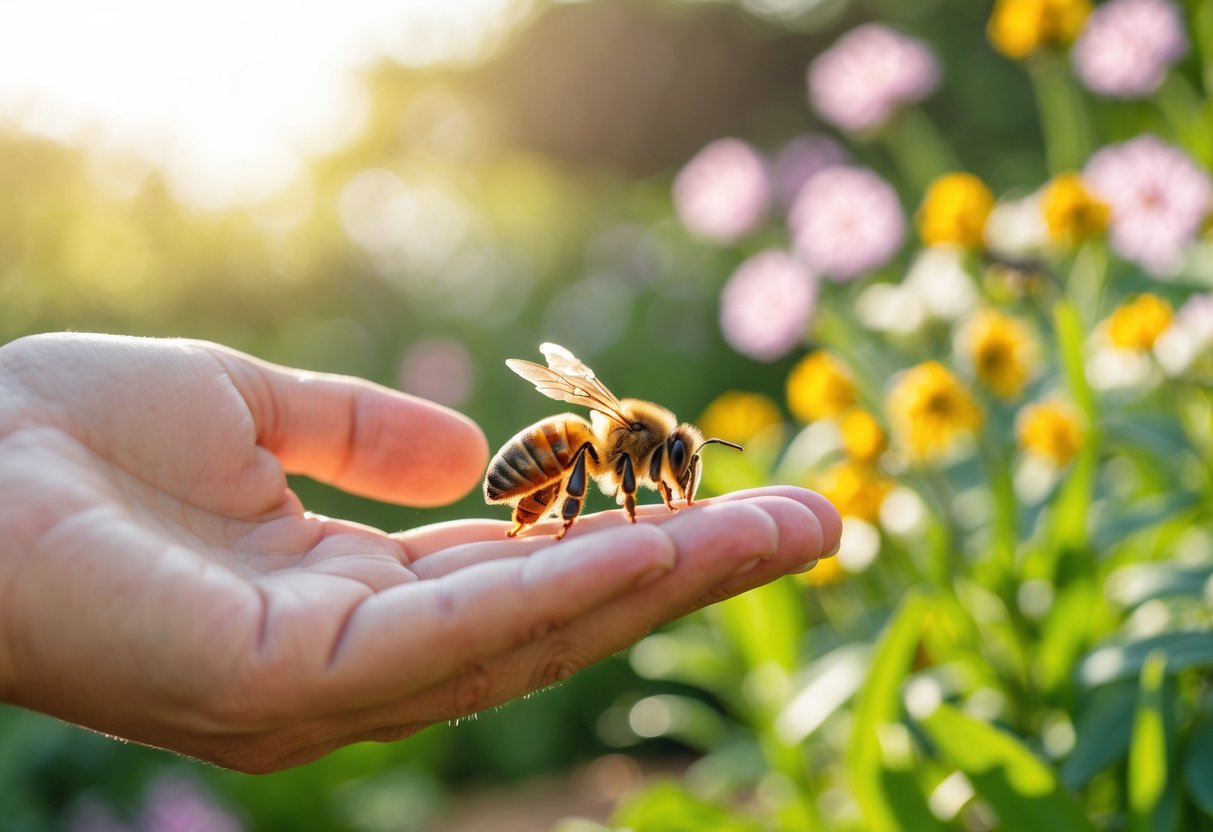
You can usually watch bees up close if you stay calm and move slowly. Understanding how bees behave around people helps you feel safer and maybe even appreciate their role in nature.
Bees aren’t pets, but they do a lot for plants and our food. Being kind to bees actually helps everyone, not just you. If you’re curious about how bees and people get along, there are some interesting things to know.
Are Bees Human Friendly?

Bees don’t act aggressive toward people by default, but the situation can change their behavior. If you understand what makes bees tick, why they sting, and how different species act, you’ll have a safer time around them—and maybe see their value a little more.
Understanding Bee Behavior Around People
Bees spend most of their time gathering food or guarding their home. When you spot bees near flowers or water, they’re just collecting nectar or pollen. They’re not after you.
Honey bees and other species recognize shapes and colors, especially if it reminds them of food. If you keep calm and don’t make sudden moves, bees usually leave you alone.
You might catch a bee checking you out, but it’s just curious. Bees don’t bond with people like dogs or cats do.
Defensive Actions and the Truth About Bee Stings
Bees sting to protect themselves or their hive. They don’t attack people for no reason. If a bee senses danger, it releases alarm pheromones that call for backup from other bees.
Honey bee stings hurt, but they only sting if they have to. After stinging, the honey bee dies because its stinger gets stuck. Bumblebees and solitary bees can sting more than once since their stingers don’t come off.
If you stay calm and slowly move away from a bee or hive, you lower your chances of getting stung. Crushing or trapping bees just makes them more defensive.
Different Bee Species and Their Temperaments
Not every bee acts the same way around humans. Honey bees tend to stay chill if they’re away from their nest. Bumblebees are gentle most of the time but will sting if cornered.
Solitary bees, like leafcutter bees, don’t live in big groups and hardly ever sting. They care more about laying eggs than defending a colony.
Knowing which type of bee is nearby helps you guess how they’ll act. Most bees just want to get their work done and aren’t interested in fighting with people.
If you want more details about bee interactions, check out are bees friendly to humans.
Building Trust and Safe Relationships With Bees
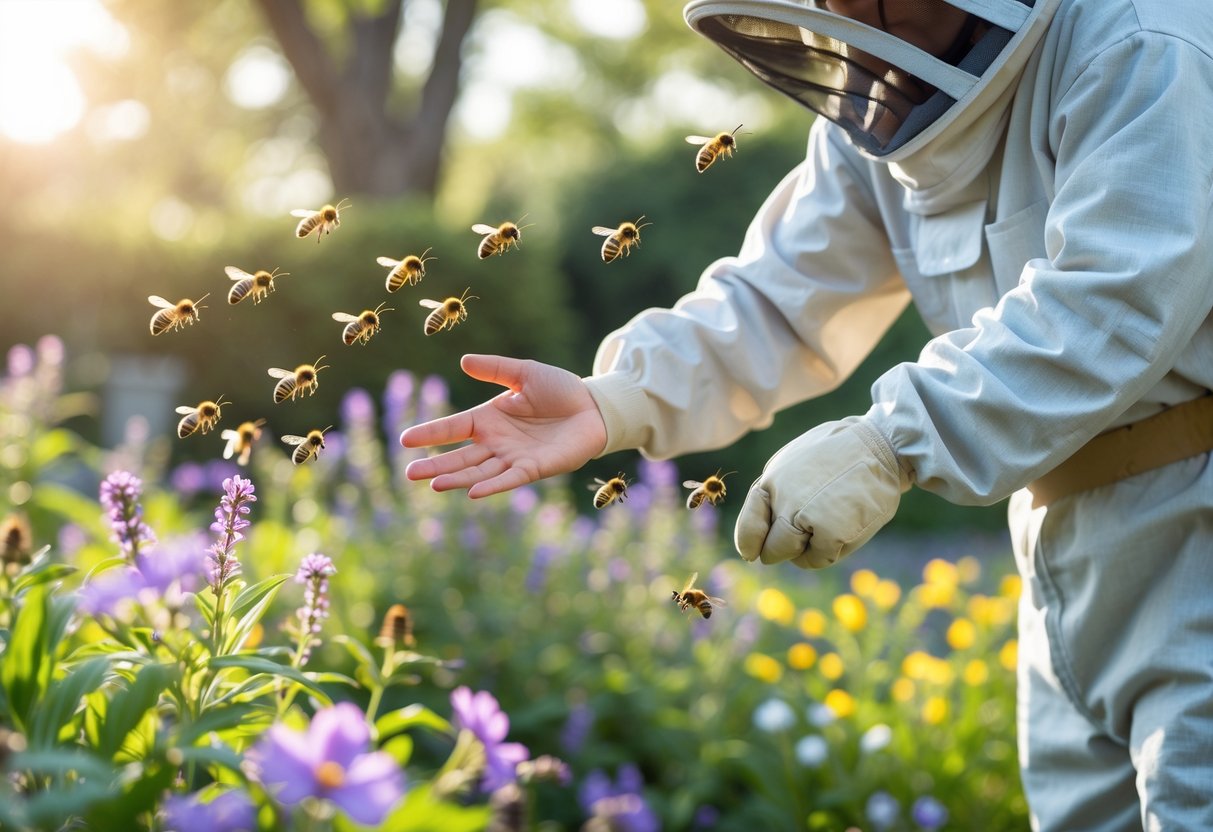
If you want a good relationship with bees, you’ve got to understand how they recognize people, practice safe beekeeping, and make your space bee-friendly. These steps keep both you and the bees safe and happy.
Bee Recognition of Individual Humans
Bees can actually recognize individual human faces. This skill helps them tell the difference between someone who helps out and someone who might be a threat.
If you visit your hive often and handle bees gently, they start to see you as safe. Bees use their senses and pheromones to share info about threats or safety.
Building trust with bees takes time and patience. Move calmly around the hive and wear the same gear each time. Bees remember good experiences, which is kind of like trust.
Safe Beekeeping Practices for Friendliness
Good beekeeping keeps your bees healthy and calm. Inspect your hive calmly and during daylight when bees are busiest.
Wear protective gear like veils and gloves. This keeps you safe and helps you avoid hurting bees by accident.
Use a smoker to calm the bees before opening the hive. Smoke hides alarm scents, so bees stay relaxed.
Try natural ways to manage pests and skip harsh chemicals. Healthy bees are less defensive and more focused on their work.
When you respect their space and take care of the hive, bees respond well. Careful beekeeping leads to a safer, friendlier environment for everyone.
Creating Bee-Friendly Gardens and Habitats
If you want to support bees outside the hive, you need to think beyond just watching them buzz around. Try planting a pollinator garden packed with flowers—lavender, sunflowers, clover, that sort of thing.
These blooms give bees real food, boosting their health and making the ecosystem a little stronger. Skip the harsh pesticides and go for natural pest control instead.
You’ll protect pollinators and keep your garden in balance. Toss in a shallow water dish or two, and leave some bare soil here and there for ground-nesting bees.
Don’t mess with the natural habitats nearby if you can help it. It makes more sense to plant native species and offer shelter, like hollow stems or even one of those bee hotels you see online.
With a bit of effort, your garden turns into a haven where bees can collect nectar and pollen. Honestly, it just makes the place feel more alive.


