
Beavers are often seen as cute, industrious animals, but they can also raise a lot of questions about their impact on the environment.
In many ways, beavers are beneficial to have around because they act as ecosystem engineers. They create wetlands that support various plant and animal species. These wetlands not only enhance biodiversity but also improve water quality and help control flooding.

While some people view beavers as a nuisance due to tree damage or flooding issues, it’s important to recognize their ecological contributions. They build dams that create ponds, which provide homes for fish, birds, and other wildlife. This unique role makes them vital players in their habitats, helping to maintain a healthy environment.
As you explore the role of beavers, you’ll learn how their presence can positively shape ecosystems, making them valuable neighbors in nature. Understanding these dynamics can help you appreciate why it might be worth keeping beavers around, even with some management of their impact.
Beaver Characteristics and Behavior

Beavers are fascinating creatures with distinct features and behaviors. Their unique adaptations help them thrive in various habitats. You will learn about their species, diet, daily life, and social structures.
Species and Habitat
There are two main species of beavers: the North American beaver (Castor canadensis) and the Eurasian beaver. Both species are semi-aquatic and prefer habitats near water, such as rivers, streams, and ponds.
Beavers build dams to create ponds that provide safety from predators and a stable environment for themselves. These structures help maintain wetland ecosystems, making them vital for many other species. They are found in diverse environments, from forests to grasslands, showcasing their adaptability.
Diet and Daily Life
Beavers are herbivores and primarily feed on the bark of trees, aquatic plants, and shrubs. They are particularly fond of willow, aspen, and birch.
Beavers are nocturnal, meaning they are most active at night. Their daily activities include foraging for food, gathering materials for dam construction, and maintaining their lodges. These activities keep them busy, ensuring they store enough food for winter.
Social Structure
Beavers live in family groups known as colonies, which typically consist of a mated pair and their offspring. The young stay with their parents for about two years before leaving to establish their own territories.
Within the colony, beavers communicate through vocalizations, body language, and scent marking. They groom each other and engage in playful behavior, helping to strengthen family bonds. This social structure plays a crucial role in their survival and success as a species.
Engineers of the Ecosystem
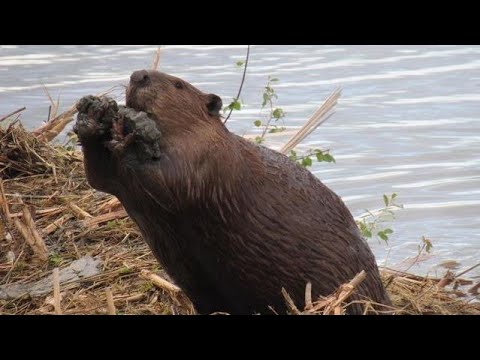
Beavers play a vital role in shaping their environment. Their activities, especially dam building, have significant effects on water systems and biodiversity. Understanding these impacts helps you appreciate the importance of beavers in nature.
Dam Building and Water Systems
When beavers construct their dams, they create ponds that store water. These beaver ponds can dramatically change the flow of streams and rivers, fostering a healthier aquatic ecosystem.
The dams capture sediments and pollutants, improving water quality. They also help manage flood risks by controlling water levels.
This process supports various habitats. The slow-moving water promotes the growth of aquatic plants, which provide food and shelter for many species. Beavers are truly ecosystem engineers, crafting their surroundings for the benefit of many.
Influence on Biodiversity and Wildlife
Beaver activity leads to increased biodiversity in their habitats. Their ponds create wetlands that serve as crucial ecosystems for numerous species.
These areas are important for fish, amphibians, and birds. For instance, salmon thrive in the protective environments offered by beaver ponds.
Moreover, the wetlands improve nutrient cycling, enriching the food chain. This creates a balanced habitat where different species coexist, contributing to a rich ecosystem.
In turn, more wildlife means healthier ecosystems, making beavers invaluable to our environment. Their influence extends far beyond just their immediate surroundings, enhancing biodiversity for all who live in the region.
Benefits and Challenges of Beaver Presence

Beavers play a crucial role in their ecosystems, bringing various benefits to the environment. However, they can also cause issues for property owners and communities. Understanding both sides helps you weigh their presence in your area.
Pros: Conservation and Environmental Contributions
Beavers are considered a keystone species because they significantly impact their environment. Their dams help create wetlands, which serve as vital habitats for diverse wildlife. This increase in biodiversity benefits local ecosystems and promotes conservation efforts.
Their ability to control water flow contributes to flood management and improves water storage capabilities. This is particularly valuable during periods of drought, as it enhances resilience against water shortages. Additionally, beavers can help prevent wildfires by maintaining healthier landscapes and increasing moisture levels in the soil.
Cons: Human-Beaver Conflicts and Property Concerns
While beavers offer many benefits, they can also create challenges. One major concern is property damage. Their tree-cutting habits can lead to the destruction of valuable landscaping and forestry resources. Properties near water bodies may face flooding due to beaver dams, which can also threaten infrastructure.
These conflicts often lead to tension between communities and beavers. People may resort to expensive mitigation strategies to protect their property, such as fencing, which can further escalate human-beaver conflicts. Finding balance is essential to minimize these challenges while acknowledging the environmental benefits that beavers provide.
Coexisting with Beavers

When living near beavers, it’s important to find ways to manage their presence. You can employ several preventive measures and support conservation efforts that promote a balanced coexistence with these unique animals.
Preventive Measures and Solutions
To keep beavers from causing issues, consider using trunk guards or fencing around vulnerable trees. This helps protect your trees from being chewed on.
You might also look into using beaver deceivers. These devices can help manage water levels in beaver dams without harming the animals. If problems arise, deterrents and repellents can discourage beavers from settling too close.
Establishing a healthy riparian zone with native plants can also create a buffer between your property and beaver activities. This not only helps your land but also supports local wildlife.
Beaver-related Policies and Conservation Efforts
Many regions have policies to protect beavers while balancing human needs. Some areas now encourage conservation efforts that support coexistence.
For instance, certain states are reclassifying beavers to protect them better and promote responsible management practices.
Understanding the role of castoreum, a substance produced by beavers, can reveal their importance in ecosystems.
It’s beneficial to be aware of these policies, as they can guide your actions and help link community efforts for better management of beaver populations.
By taking these steps, you can enjoy the benefits that beavers bring to the environment while minimizing any potential conflicts with your own space.


