
Bats play a vital role in the ecosystem, making them beneficial to have around in the UK. They help control insect populations, which can reduce the need for pesticides and contribute to healthier gardens and farmland.
Their presence indicates a rich biodiversity, and healthy bat populations can signal a thriving environment.

In recent years, bat populations have seen significant declines due to habitat loss and other threats. This makes the conservation of bats even more important.
Supporting bat habitats not only aids in their survival but also helps preserve the overall health of our ecosystems, allowing you to enjoy more vibrant and balanced natural surroundings.
Embracing bats is more than just helping a species in trouble. By understanding the benefits they offer, you can appreciate why having bats around is good for the UK and essential for biodiversity.
The Role of Bats in UK Ecosystems
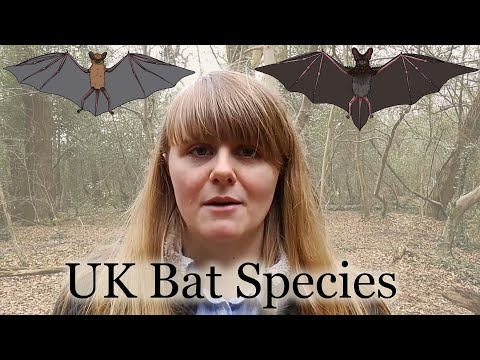
Bats play a vital role in the ecosystems of the UK. They contribute to biodiversity and offer significant benefits to gardens and agriculture. Understanding their impact can highlight why you might want these creatures around.
Biodiversity and Bat Species
In the UK, you can find various bat species, such as the pipistrelle, noctule, and brown long-eared bat. These bats serve as important indicators of biodiversity. If bat populations decline, it often signals issues within the ecosystem, like problems with insect populations or habitat quality.
Bats feed on night-flying insects, consuming thousands of pests each night. This not only helps control insect numbers but also supports a healthier environment.
Their presence can indicate a balanced ecosystem, showing that different species are thriving. This diversity is crucial for healthy plant life and overall environmental stability.
Benefits of Bats to Gardens and Agriculture
Bats provide great benefits, especially to your gardens and farmland. By keeping insect populations in check, bats help protect crops from pests.
They eat insects that can harm your plants, reducing the need for chemical pesticides.
Additionally, bats contribute to pollination and seed dispersal. While they mainly eat insects, some species also help pollinate flowers. This activity supports various plants, promoting a vibrant garden.
Having bats around means fewer pests and healthier plants. You get to enjoy a more balanced ecosystem, and the benefits to your gardens and farming practices are clear. Encouraging bat habitats can make a positive difference in your local environment.
Urban and Rural Bat Habitats

Bats thrive in both urban and rural settings, utilizing a range of habitats. Understanding their needs helps you create friendly environments for these important creatures.
Importance of Roosts
Roosts are crucial for bats as they provide shelter and a place to raise their young. In urban areas, bats often find roosting spots in buildings, bridges, and trees. Rural areas offer more natural options like hollow trees and caves.
Providing bat boxes in your garden can encourage bats to take up residence. These boxes should be placed at least 3 meters above the ground and facing south or southeast to get the morning sun.
Creating a suitable roosting environment helps sustain bat populations and boosts local biodiversity.
Creating Bat-Friendly Spaces in Gardens
Your garden can become a haven for bats. Start by planting native flowers to attract insects, providing a food source for bats.
Adding a water feature, like a small pond, is beneficial as it draws in insects. Make sure your garden has some areas of dense shrubs or trees which can serve as shelter for bats.
Consider installing bat boxes or even leaving some parts of your garden wild. This mixed environment creates a balanced habitat, ensuring bats have access to food and shelter while encouraging them to visit your spaces regularly.
Linear Features and Their Effect on Bat Navigation
Linear features like hedgerows, rivers, and tree lines play an important role in bat navigation. Bats use echolocation to find their way and these features provide guiding pathways.
In urban areas, such linear features help bats move safely through streets and buildings in search of food. When designing or maintaining urban landscapes, preserving these linear features is vital for bat accessibility.
You can also create new linear habitats by planting trees or building green corridors. This will support bat flight routes and promote healthy populations in your area.
Conservation Efforts and How You Can Help

Bats play a vital role in maintaining healthy ecosystems. Conservation efforts aim to protect these important creatures, and you can contribute in various ways. Here’s how you can get involved.
Bat Conservation Organizations
Joining a bat conservation organization is a fantastic way to support bat populations. The Bat Conservation Trust is a key group in the UK dedicated to bat protection.
They provide resources, research, and guidance on how to conserve bat habitats. You can become a member, which helps fund important projects.
Additionally, you can volunteer for local bat surveys or events. These activities not only contribute to research but also allow you to meet like-minded people passionate about bats.
Support organizations through donations or by participating in campaigns focusing on habitat protection and raising awareness about bats.
Handling Injured or Baby Bats
If you come across an injured bat or a baby bat, knowing how to help is crucial.
First, keep calm and assess the situation. If a bat is injured, gently place it in a box lined with a soft cloth. Be sure to keep the box in a warm, dark place while you contact a professional.
For baby bats, it’s essential to reach out to the National Bat Helpline. They can provide guidance on the next steps.
Don’t attempt to handle or feed the bat yourself, as this can be harmful. Use the details on their website to find help quickly and ensure the bat gets the care it needs.
Actively Participating in Bat Conservation
You can also actively participate in bat conservation in your community.
Start by creating a bat-friendly environment in your garden. Installing bat boxes can provide safe roosting spots. Choose designs suited for different bat species, as this increases success.
Consider advocating for bat conservation at local events or social media. Share facts about bat benefits, such as pest control and pollination. This raises awareness and encourages others to support bat-friendly practices.
By taking these small steps, you play a vital role in protecting bats and ensuring their survival in the UK.
Understanding Bats: Behavior and Misconceptions

Bats play an important role in the ecosystem, yet many people still hold misconceptions about them. Understanding their behaviors and debunking myths will help you appreciate these creatures more.
Common Myths About Bats and Rabies
Many myths about bats are due to fear and misinformation. A common worry is that bats spread rabies. While it’s true that bats can carry the virus, the chances of getting rabies from bats are very low.
Most bats, like the common pipistrelle and soprano pipistrelle, are harmless and prefer to feed on insects, such as mosquitoes.
Only a small number of bat species are known to have rabies, and they usually avoid human contact. If you see a bat, do not handle it. Instead, admire it from a distance or contact a wildlife expert if you find one in your home.
Bat Activities at Dusk and Dawn
Bats are most active at twilight, which is called “crepuscular” behavior. You can often see them flying around at dusk and dawn.
They emerge from their roosts to hunt for food and to socialize. A common pipistrelle bat can be spotted flitting through the air in search of insects.
Bats often roost in attics, trees, or bat boxes. You might notice them emerging in large numbers at dusk.
It’s fascinating to watch their acrobatics as they capture mosquitoes and other pests mid-flight. By doing so, they help reduce insect populations, which is beneficial for gardens and homes.
The Science Behind Bat Echolocation
Bats use a technique called echolocation to navigate and find food, which is quite amazing. They produce high-frequency sounds, or “bat calls,” that bounce off objects. By listening to the returning echoes, bats can determine the location, size, and shape of objects around them.
For example, daubenton’s bat utilizes echolocation to catch insects on the water’s surface. This skill is essential for their survival. Other species, like the greater mouse-eared bat, also rely on this natural radar for successful hunting.
Understanding how bats use echolocation highlights their adaptability and importance in keeping insect populations in check.


