
Bats are fascinating creatures that play a vital role in our ecosystem. Yet, like many animals, they face dangers that threaten their survival. The fungal disease known as white-nose syndrome is the worst enemy of bats. This disease has led to significant population declines, especially in North America.

In addition to diseases, bats must also contend with natural predators such as owls and hawks. These hunters often see bats as a meal during their nighttime flights.
Understanding what threatens bats can help raise awareness about their conservation and the importance of protecting these unique animals.
As you dive into this article, you’ll discover more about these challenges and what can be done to aid in the survival of bats.
Bats and Their Natural Predators

Bats play a vital role in the ecosystem, but they face many challenges from natural predators. These threats can affect bat populations and their habitats. Understanding who their enemies are is important for appreciating these fascinating creatures.
Understanding Bats’ Ecosystem
Bats live in diverse environments, from forests to urban areas. They are essential for pollination and pest control. Their diet largely consists of insects, especially moths and beetles.
However, bats are not at the top of the food chain. Many animals rely on bats for food. These include birds, like owls and hawks, which hunt bats at night. Other predators include raccoons and even house cats, which might catch bats while they are roosting.
Common Threats in the Wild
Bats face several threats in the wild. Natural predators pose a significant risk, but diseases can also have a major impact. White-nose syndrome is a fungal disease that has led to significant declines in bat populations, particularly in North America.
In addition to these diseases, other animals can catch bats. Birds such as the Great Tit are known to prey on them. Fish and bullfrogs are also unusual bat predators.
This complex relationship between bats and their predators highlights why protecting bat populations is crucial.
Diseases and Environmental Challenges
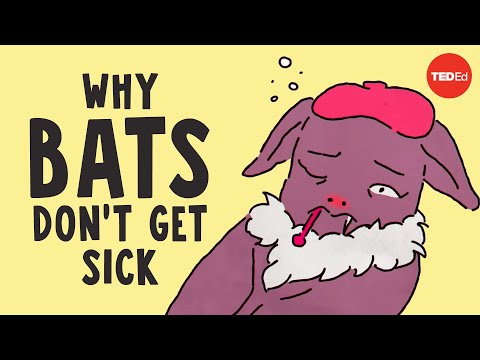
Bats face serious threats from diseases and environmental challenges. These issues not only endanger bat populations but also affect the ecosystem. Understanding these threats is vital for the conservation of bats.
White-Nose Syndrome
White-nose syndrome (WNS) is a deadly disease caused by a cold-loving fungus. It affects bats during their hibernation. The fungus irritates the bats’ skin, leading to disturbed hibernation patterns. As a result, affected bats lose vital energy reserves.
WNS can cause a high mortality rate. Many bats may wake from hibernation early, leading to starvation. The disease was first seen in New York in 2006 and has spread throughout North America. This spread has led to severe declines in many bat species.
Habitat Destruction and Climate Change
Habitat destruction is a significant threat to bats. Activities like urbanization, deforestation, and agriculture lead to loss of roosting and feeding sites. These changes make it difficult for bats to find shelter and food.
Climate change also impacts bat habitats. Shifts in temperature and weather patterns can affect food availability. Some bat species may struggle to adapt to these new conditions.
The combination of habitat loss and climate change poses a serious risk. It can lead to declines in bat populations, disrupting their role in ecosystems.
Human Impact on Bat Populations
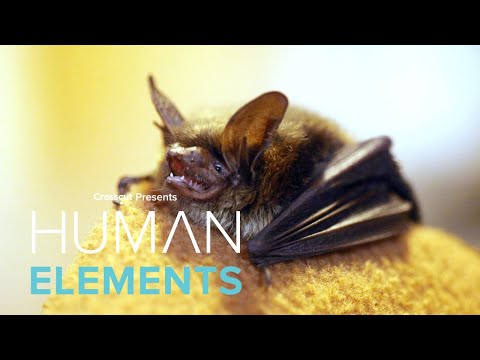
Human activities greatly affect bat populations, making life difficult for these important creatures. Understanding these impacts can help you appreciate the struggles bats face and the need for their protection.
Pesticide Use
Pesticides are commonly used in agriculture and can harm bats. These chemicals not only kill insects but can also poison bats that consume contaminated prey.
Bats play a crucial role in controlling insect populations. When pesticides reduce the insect supply, bats face food shortages. This often leads to decreased bat reproduction and higher mortality rates.
Additionally, prolonged pesticide exposure can weaken the immune systems of bats. This makes them more susceptible to diseases and reduces their chances of survival in the wild.
Urbanization and Roost Disturbance
Urbanization leads to habitat loss for bats. As cities grow, they destroy natural roosting sites like caves and trees. This leaves bats with fewer places to live and breed.
Many bats rely on specific roosting conditions. Disturbing these areas, such as during construction, can drive bats away. This disruption may also expose them to predators.
Artificial lighting in urban areas can confuse bats as well. It disturbs their natural behaviors, making it harder for them to hunt and navigate. Reducing these impacts is essential for helping bats thrive in changing environments.


