
Bats are fascinating creatures that often capture our curiosity, especially when it comes to their habits. You might wonder, do bats return to the same place every year? The answer is yes; many bat species do return to the same roosts or hibernacula year after year. This behavior is driven by their need for familiar locations where they feel safe and find suitable living conditions.
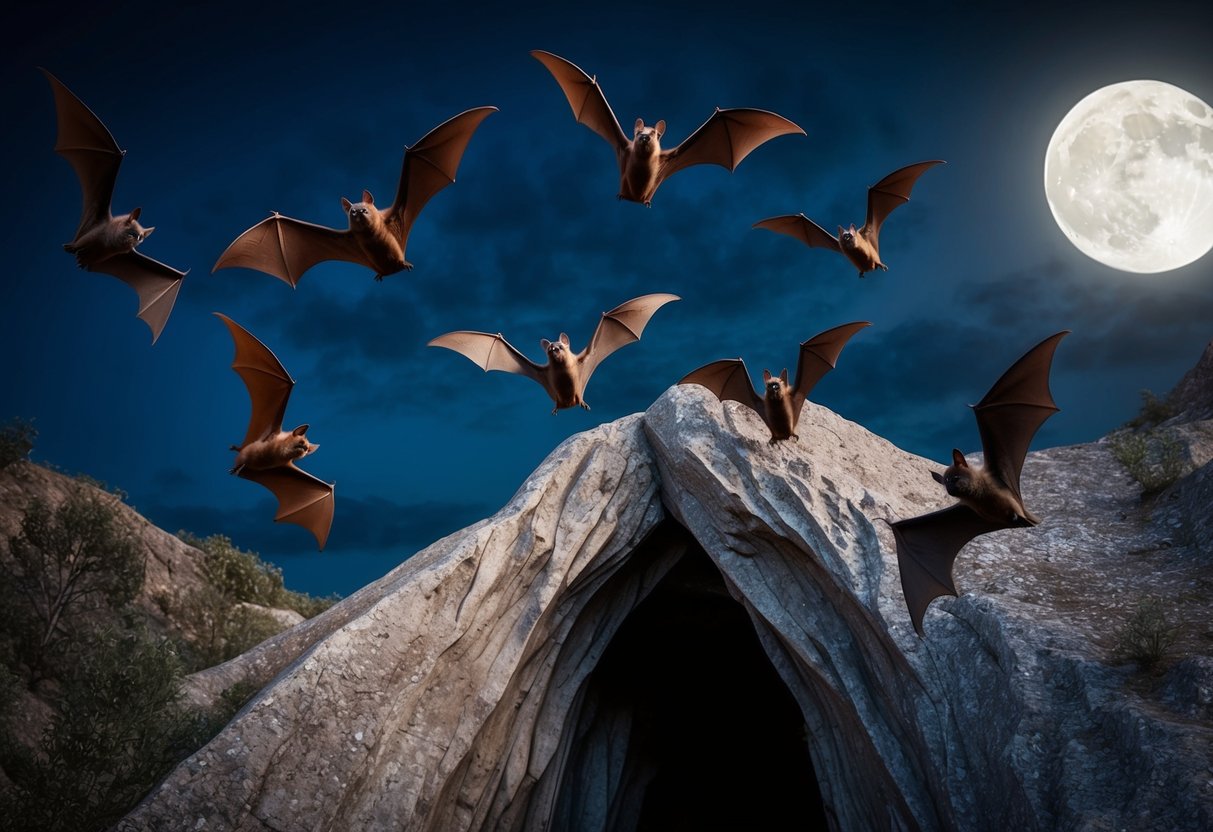
Understanding bat behavior can help you appreciate their role in the ecosystem better. These nocturnal animals spend time finding perfect spots for roosting, and once they find them, they tend to stick around, especially during hibernation.
Observing bats returning to the same locations can be a rewarding experience for anyone interested in wildlife.
So, as you explore the world of bats, you’ll see how crucial these roosting sites are for their survival. Whether it’s a cozy attic or a natural cave, these places offer the protection and stability that bats need to thrive.
Understanding Bat Behavior and Habitat

Bats play an important role in their ecosystems, and their behavior is closely tied to their habitats. You’ll find that the places where they roost can greatly affect their survival and activities. Here, we explore the significance of roosting sites, hibernation habits, and how environmental factors influence these fascinating creatures.
The Importance of Roosts for Bats
Roosting sites are vital for bats. These locations provide shelter from the weather, protection from predators, and a place to raise their young. Bats often show site fidelity, meaning they return to the same roosts year after year.
Natural roosts like caves, trees, and old buildings provide suitable environments for different bat species. For example, foliage can help with insulation during colder months. Bats also rely on their echolocation skills to navigate and find these roosts in the dark.
The condition of these sites is crucial. Habitat loss due to development and climate change can limit their options for safe roosts. When bats can’t find secure places, their populations may decline.
Hibernation Habits of Bats
Hibernation is a key part of bat life, especially in colder regions. During winter, many bats enter a state of reduced metabolic activity to conserve energy.
Some bats hibernate in caves or hollow trees, where the temperatures are stable.
During hibernation, bats can drop their heart rates significantly. This allows them to survive on stored fat until spring.
In warmer climates, some bats remain active year-round, foraging for insects, which they locate using echolocation.
Temperature changes can affect when bats enter and exit hibernation. If winter temperatures are mild, bats may emerge too early, risking exposure to predators and lack of food. Awareness of these patterns can help in conservation efforts.
Effects of Environment on Bat Roosting
Environmental factors play a significant role in bat behavior, particularly when it comes to finding roosts. Climate change can alter habitats and food availability, impacting where bats can live.
Habitat destruction can also disrupt their natural roosting patterns. As trees are cut down or caves are damaged, bats may struggle to find new homes.
Moreover, environmental cues such as temperature and humidity influence their nesting habits. Bats often prefer locations with specific conditions that suit their needs. You might notice they choose warmer, more humid areas during certain seasons.
Understanding these dynamics helps in creating better protection strategies for bats and supporting their survival in a changing world.
Annual Migration and Roosting Sites

Bats have interesting patterns when it comes to their roosting habits. You may wonder if they return to the same places each year, especially during special times like maternity season. Let’s explore how these patterns work in different situations.
Do Bats Return to the Same Place Every Year?
Yes, many bats do return to the same roosts every year. They often use these familiar locations for shelter and safety. Bat species, like the little brown bat, typically show strong loyalty to their roosting sites.
Factors like temperature, humidity, and protection from predators influence their choices. During their active months, you can spot bats returning night after night to the same spots. They may even return to a roost after being away for months.
These roosting sites can include trees, caves, and man-made structures. It’s crucial for their survival, making the memory of these locations important.
Maternity Roosts and Seasonal Patterns
During the maternity season, female bats look for safe places to raise their young. They prefer warm, stable environments where they can protect their pups.
These maternity roosts are vital for social bonding. Female bats gather in groups to give birth and care for their young together. You’ll often find them returning to the same roost year after year for this purpose.
Many bats are also seasonal visitors. As the weather changes, so do their habitats. In colder months, they seek out hibernating spots to conserve energy. By understanding these patterns, you can appreciate the unique lifestyle of these fascinating creatures.
Conservation and Human Impact
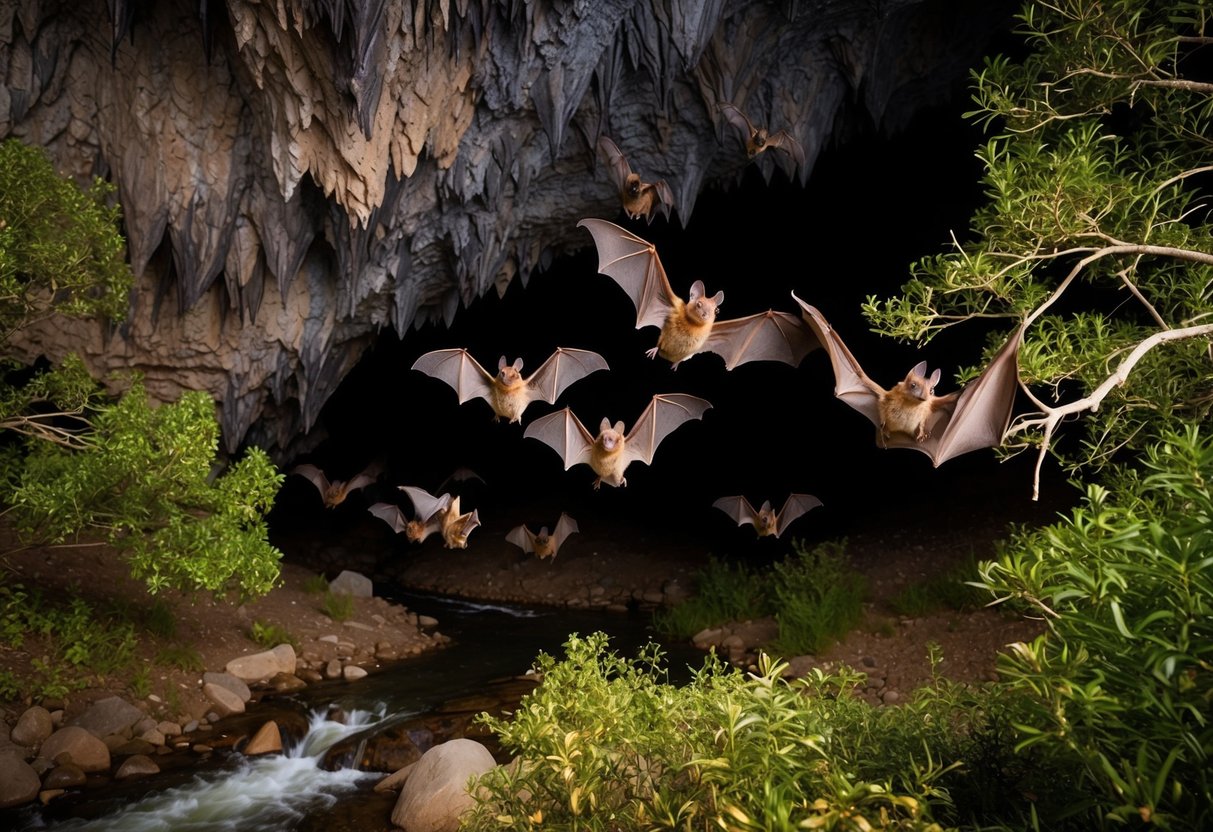
Bats face several challenges that threaten their populations. Understanding these threats can help you appreciate the importance of conservation efforts. With your support, these initiatives can make a significant difference.
Threats to Bat Populations
Many factors affect bat populations. Habitat loss is one of the biggest challenges bats face today. As urban areas expand, natural roosting sites disappear. This loss disrupts their ability to find food and shelter.
Another serious concern is disease. Diseases like White-nose Syndrome have devastated many bat colonies. These illnesses weaken bats and can lead to significant declines in their numbers.
Additionally, increased human activity impacts how bats behave. Urbanization and pesticides reduce their food sources and disturb their natural habitats. This creates further stress for these important creatures.
Role of Conservation Efforts
Conservation efforts are essential to help bats thrive. You can contribute by supporting initiatives that create and preserve bat habitats.
Installing bat boxes can provide safe roosting sites. This simple action helps bat populations recover.
Wildlife control programs focus on reducing human-bat conflicts. These efforts educate the public on bats’ role in natural pest control. Bats consume pests like mosquitoes, making them valuable for maintaining a healthy ecosystem.
Promoting energy conservation is another key aspect. Encouraging reduced use of pesticides can create healthier environments for bats. Together, these efforts help protect bat populations, ensuring they continue their vital role in our world.
Creating Bat Friendly Environments

Creating a welcoming environment for bats is essential for supporting their populations. Bats provide significant benefits, like controlling insect populations and aiding in pollination. You can take simple steps to make your space more bat-friendly.
How to Support Local Bat Colonies
To help local bat colonies thrive, enhance their natural habitats.
Start by avoiding the use of chemical repellents that can harm them. Instead, focus on providing suitable roosting sites, such as old trees or structures that have tree cavities.
Keep bright lights to a minimum in areas where bats might roost. Excessive lighting can disrupt their natural behaviors.
Consider planting native plants that attract insects, providing bats with a steady food source. Creating sheltered areas and leaving some parts of your garden wild will encourage bats to visit, allowing them to help control insect populations.
Installing and Maintaining Bat Houses
Installing a bat house is a great way to provide bats with a safe and warm roosting site. Make sure to place it at least 12 feet above the ground in a sunny location. Bats prefer south or southeast-facing spots to keep warm.
When you build or buy a bat house, choose one with multiple chambers and proper ventilation. This design will allow different bat species and provide security from predators.
Regular maintenance is key. Check for damage and clean out bat droppings periodically to keep the house inviting.
With your careful effort, you can create a habitat that helps bats thrive and benefits your local ecosystem.


