
Bats are fascinating creatures that play a vital role in our ecosystem. You might wonder, bats in the UK are most active from April to October. During these months, you can observe various species of bats flying around at dusk when they come out to hunt for insects. Knowing when to spot them can enhance your evening walks or garden visits.
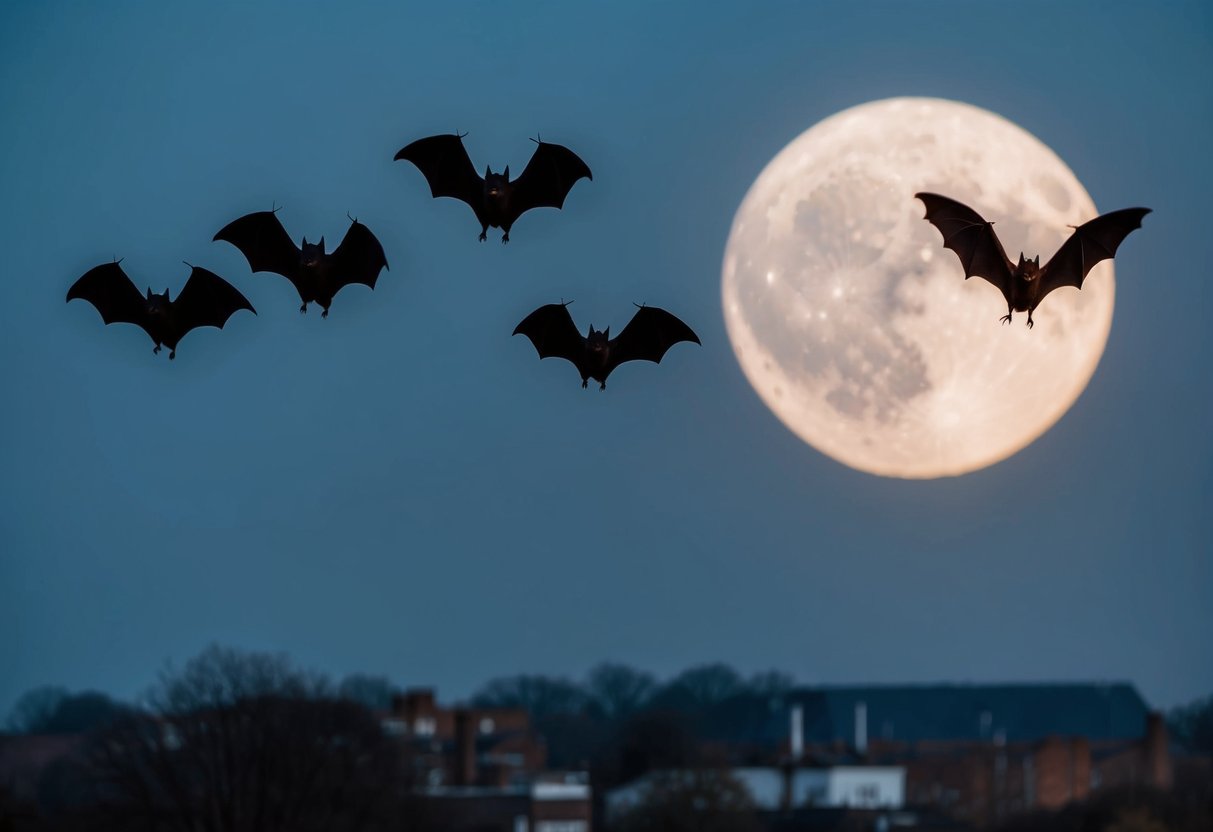
As nocturnal animals, bats tend to thrive in warmer weather, which is why their activity peaks in the spring and summer. You may also notice that different species, like the Noctule and Pipistrelle bats, have their own patterns of flight, making it even more exciting to watch them. Understanding their habits can help you appreciate these remarkable animals even more.
Bat conservation is important for maintaining biodiversity. If you take the time to look for bats during these active months, you’ll not only enjoy nature but also contribute to the awareness of the need for conservation efforts. So grab your binoculars and get ready to explore the skies as these incredible creatures take flight!
Bat Behavior and Seasonal Activity
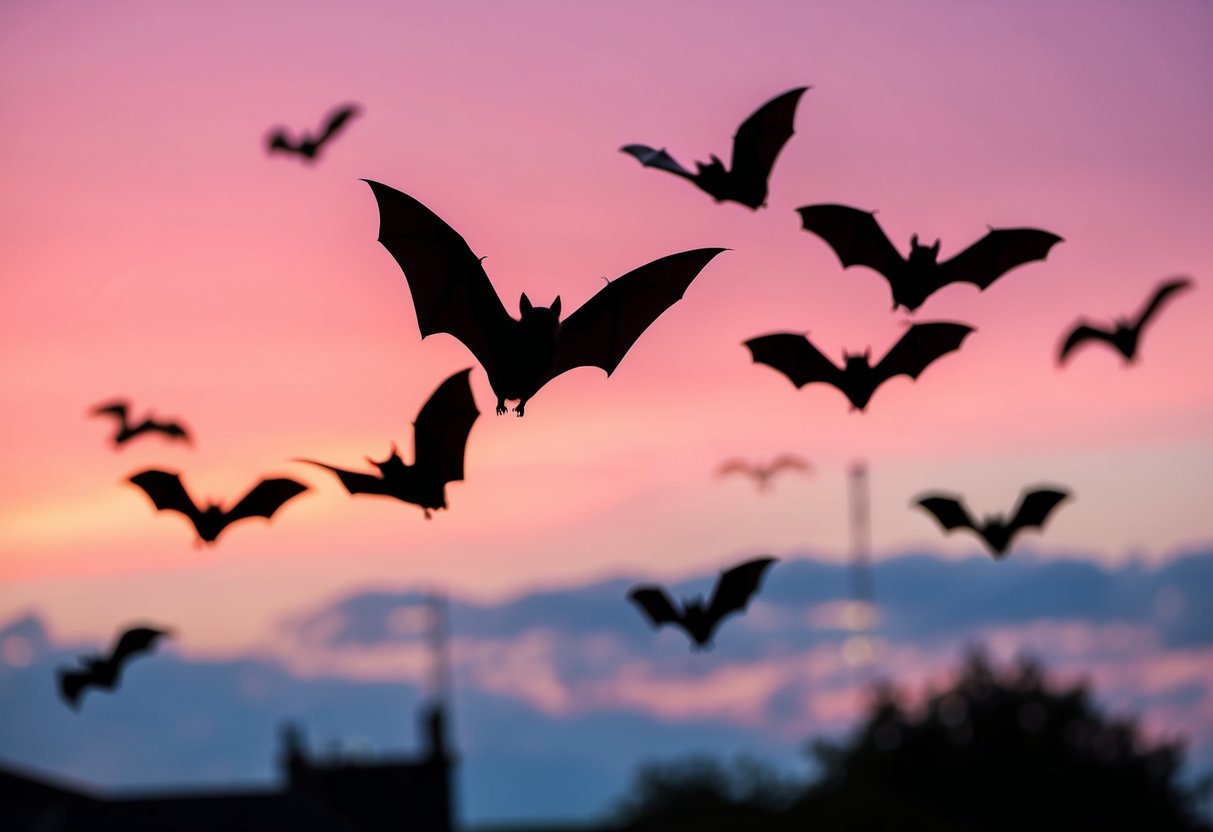
Bats show fascinating behaviors throughout the year, especially regarding hibernation and their roosting habits. Understanding these patterns is essential to appreciate how bats thrive in their environments and adapt to changing seasons.
Understanding Hibernation and Torpor
During the cold winter months, many bats enter a state called hibernation. This helps them conserve energy when food is scarce. In this state, bats lower their metabolic rate and body temperature significantly. This allows them to survive on their fat reserves until warmer weather returns.
Some bats may briefly wake during hibernation to drink water or check their roost. When temperatures are mild, they may enter a lighter state called torpor. This means they can be active for short periods. Bats usually begin to emerge from hibernation in early spring when temperatures rise and food becomes more available.
The Role of Roosts in Bat Life
Roosts are crucial for bats as they provide shelter and safety. During spring and summer, bats seek out specific roosting sites, such as caves, trees, or buildings. These roosts serve different purposes. Maternity colonies, for example, are where female bats gather to give birth and suckle their pups.
In these roosts, mothers care for their young until they can fly and forage by themselves. Light pollution can disturb bats’ natural roosting behaviors, making it important to protect their habitats. By minimizing disturbances, you help support healthy bat populations and ensure they can thrive in your area.
Diversity of Bat Species in the UK

The UK is home to a rich variety of bat species, each with unique traits and habits. From the well-known common pipistrelle to the less familiar Bechstein’s bat, there’s much to explore. Understanding these species can enhance your appreciation of the natural world.
Common Pipistrelle and Noctule Bats
The common pipistrelle, one of the UK’s most widespread bats, has a small size and a wingspan of about 24-27 cm. They are known for their rapid flight and can be seen hunting insects around dusk. Their echolocation calls are high-pitched, which makes them hard to hear for humans.
In contrast, the noctule bat is larger, with a wingspan of up to 40 cm. Active mainly at night, noctules are often spotted flying high in open areas. They can cover large distances in search of food. Both species contribute significantly to controlling insect populations in their habitats.
Lesser-Known UK Bats: Bechstein’s and Barbastelle
Among lesser-known species, the Bechstein’s bat stands out. This bat prefers ancient woodlands and is often found roosting in tree cavities. They have a unique appearance with long ears and are mainly active in the evening.
Another rare species is the barbastelle bat, known for its distinctive face and long, rounded wings. These bats roost in old woods and are usually elusive. Awareness of these species is crucial for their conservation.
Identifying Bats by Echolocation
Echolocation is key to how you can identify different bat species. Bats emit sound waves that bounce off objects, helping them navigate and locate prey. The frequency and pattern of these calls vary by species.
Using a bat detector can help you hear and identify these calls. For example, the common pipistrelle’s call ranges between 45-50 kHz, while the noctule emits lower frequency calls around 20 kHz. Conducting bat surveys during active months can give you insights into local bat populations and their behaviors.
Conservation Efforts and How You Can Help
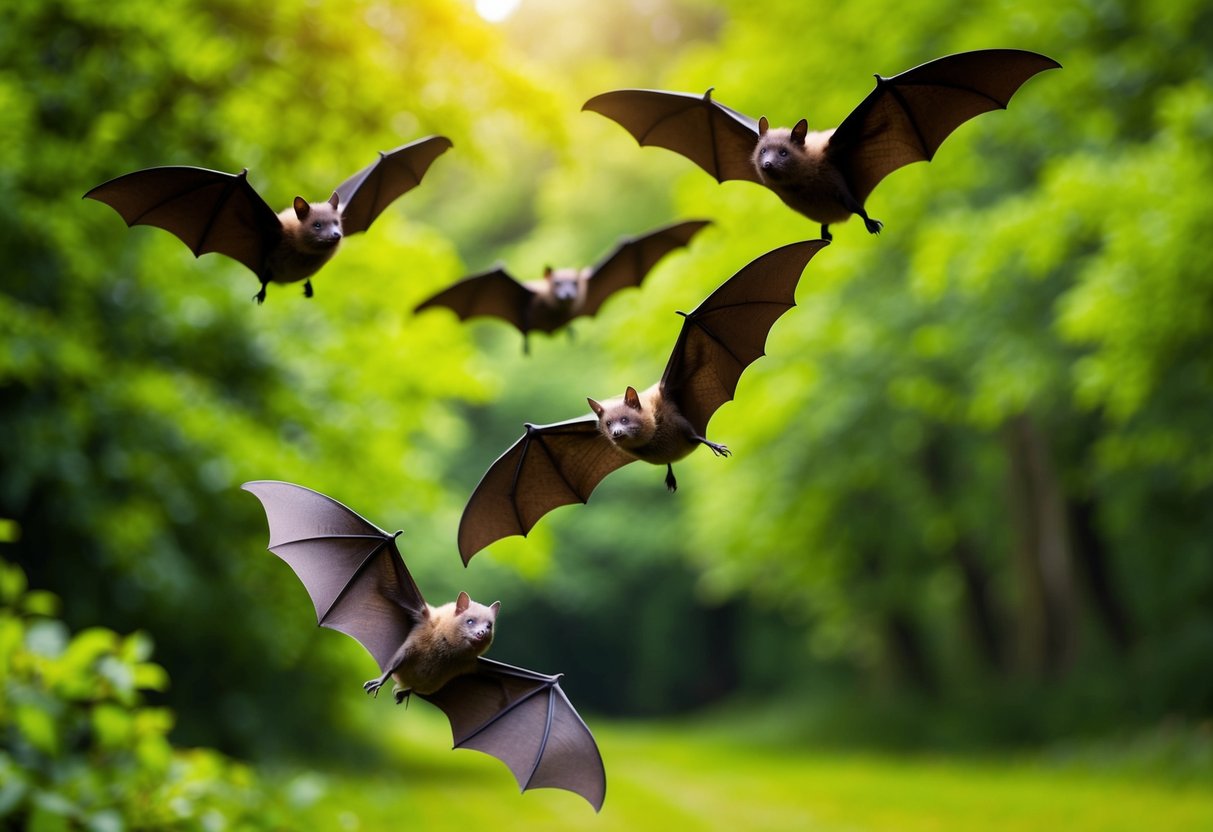
Bats play a vital role in ecosystems, but their populations face threats. You can contribute to bat conservation through various efforts focused on protecting their habitats and engaging in citizen science.
Protecting Bat Habitats and Roosts
You can help protect bat habitats by supporting local conservation initiatives. Bat roosts are often found in disused buildings and old trees. These sites provide crucial shelter for bats during their active months and hibernation periods.
Consider planting native plants in your garden to attract insects, which are a food source for bats. Avoid using pesticides, as these chemicals can harm the insects that bats depend on.
Additionally, if you own property with potential bat roosting sites, you can work with local wildlife organizations to conduct surveys. This way, you can make informed decisions that help protect these important habitats.
Participating in Bat Surveys and Citizen Science
Engaging in bat surveys is a fantastic way to contribute to bat conservation. You can join local wildlife groups to participate in activity surveys or hibernation surveys.
These events often use bat detectors to monitor bat activity.
Citizen science projects allow you to record bat sightings and help researchers collect data. Your contributions can provide valuable insights into bat populations and their habitat preferences.
Check with organizations like the Bat Conservation Trust for opportunities in your area. By participating in these efforts, you help improve understanding and protection of bat species in your community. Your involvement makes a difference!


