
Finding a bat in your house can be unsettling, but it’s important to remember that they aren’t out to harm you. Bats typically enter homes by mistake, lured by warm, dark spaces. While this might sound alarming, most bats pose little risk to humans when safely removed from your living environment.

You might wonder what to do next if you spot a bat flying around. Instead of panicking, there are specific steps you can take to handle the situation calmly. Understanding the nature of bats and how they end up indoors can help you feel more prepared to deal with their unexpected visit.
Whether it’s a curiosity or a concern, knowing the facts about bats can make a big difference. Keep reading to learn how to safely and effectively manage a bat sighting in your home.
Understanding Bats and Beliefs
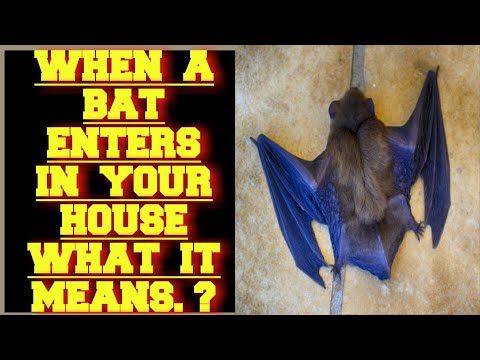
Bats are often misunderstood creatures with both ecological importance and cultural significance. Understanding their role in nature and the myths surrounding them can help you better appreciate these unique animals.
The Role of Bats in Ecosystems
Bats play a crucial role in maintaining healthy ecosystems. They are natural pest control agents, helping to keep insect populations in check.
Many bats eat a variety of insects, including mosquitoes, moths, and beetles. This helps reduce the need for chemical pesticides, benefiting both your garden and the environment.
Bats use echolocation to navigate and find food in the dark. This means they can detect prey with incredible accuracy. By keeping insect numbers down, bats contribute to healthier crops and gardens. Their presence can be a sign of a balanced ecosystem.
Myths and Facts About Bats and Misfortune
Many people believe that bats bring bad luck or are omens of misfortune. This belief is often rooted in folklore and misunderstandings.
In reality, bats are not bad omens; they are vital to our ecosystem. Some cultures view bats as symbols of transformation and intuition. Bats can even represent rebirth in certain Native American beliefs.
It’s important to focus on bat conservation to protect these creatures. They face threats from habitat loss and diseases.
Understanding these facts can change your perception. Rather than fearing bats, see them for their essential role in nature and the benefits they offer.
Health Risks and Safety Measures

Bats may seem harmless, but they can pose health risks if they enter your home. Knowing these risks and the steps to take after an encounter is important for your safety and peace of mind.
Potential Health Concerns From Bats
Bats can carry diseases that are dangerous to humans. The most notable is rabies. If a bat bites you or scratches your skin, there is a risk of transmission. Symptoms of rabies include fever, headache, and confusion.
Another concern is histoplasmosis, a lung infection caused by a fungus found in bat droppings, or guano. If you come into contact with contaminated materials, you may inhale the spores. This can lead to coughing and difficulty breathing.
It’s crucial to keep your distance. If you see a bat in your home, avoid handling it. If you find dead bats, don’t touch them. Instead, let professionals from animal control manage the removal safely.
Steps to Take After a Bat Encounter
If a bat enters your home, don’t panic. First, get yourself and any pets to a safe area. Then, assess the situation from a distance.
Once safe, you should call a professional for bat removal. Trained experts understand how to handle bats without putting anyone at risk. They can also check for entry points to prevent future visits.
If you’ve been bitten or scratched, seek medical attention right away. Time is important when dealing with potential rabies exposure.
Afterward, ensure your home is sealed. Check for small openings around windows, doors, and vents. Simple repairs can keep bats from returning.
Preventing and Addressing Bat Infestations

It’s important to take steps to prevent bats from coming into your home and know how to address an infestation if it happens. With the right measures, you can keep your space safe and comfortable.
How to Prevent Bats from Entering Your Home
To stop bats from entering, start by sealing any small openings around your house. Bats can easily squeeze through gaps as small as 1 inch. Check areas like:
- Windows: Ensure screens are intact and fit snugly.
- Doors: Keep them closed or install weather stripping.
- Attics and basements: Inspect for cracks and seal them.
Maintaining your yard can also help. Trim trees and shrubs so they are at least 6-8 feet from your home. This gives bats less access and makes your house less attractive to them.
Consider installing bat-proofing measures, such as mesh screens or specialized bat houses. These can encourage bats to roost nearby without entering your home.
What to Do If You Have a Bat Infestation
If you find a bat in your home, stay calm. Most of the time, a bat only needs to find a way out. Open doors and windows to give it a chance to leave. Avoid handling the bat directly.
If you suspect a bat infestation, look for signs like bat guano (droppings) in your attic or around entrances. If you see evidence of multiple bats, it’s time to call in professionals for pest control. They can safely remove the bats and help prevent future issues.
Do not use repellents or poisons. These methods can be harmful and may not work. Instead, work with experts for safe and effective removal. Additionally, they can guide you on proper bat-proofing techniques to secure your home.
Living Harmoniously with Bats

Bats can be an amazing part of your local ecosystem. Learning how to live with them can benefit both you and the bats. Their presence can be a natural and effective way to control pests around your property.
Bat Houses and Conservation Efforts
Installing bat houses is a fantastic way to help bats thrive. These structures provide safe places for bats to roost and raise their young. You can encourage bats to settle in your yard by placing a bat house high on a tree or building. Ideally, place it in a sunny location.
Bats play a crucial role in pest control by eating insects. One bat can consume over 1,000 mosquitoes or other pests in a single night. This keeps your yard healthier and reduces the need for chemical pesticides, which benefits the environment.
Supporting local bat conservation efforts is also effective. Join groups that focus on preserving bat habitats and educating the community about their importance. These actions help create a safer and more welcoming environment for bats.


