
When you first spot bat droppings, also known as guano, they might seem harmless. But they can pose serious health risks. Bat droppings can carry spores that lead to histoplasmosis, an infectious disease that can affect your lungs and overall health. While most people may not encounter harmful levels of these spores, it’s essential to be aware of the potential dangers, especially if you live near areas where bats roost.

If you’re involved in cleanup projects or renovations where bat droppings are present, it’s crucial to take precautions. Breathing in these spores can lead to health problems, particularly for those with weakened immune systems. Understanding the risks associated with bat droppings will help you protect yourself and your loved ones.
Stay informed about the issues surrounding bat guano to ensure a safe environment. Whether you’re dealing with minor droppings or larger infestations, knowing how to manage and clean up bat droppings effectively can make a significant difference in maintaining your health.
Understanding Bat Droppings and Health Implications
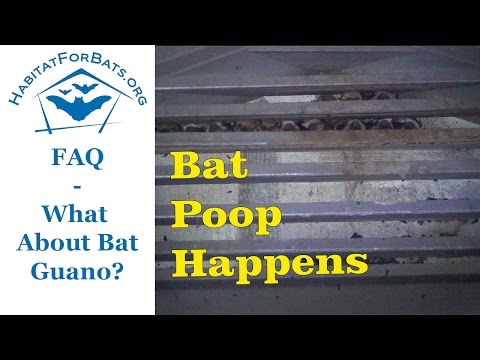
Bat droppings, known as guano, can pose health risks due to their composition and the diseases associated with them. It’s crucial to understand what guano contains and how it can affect various groups, especially if you find it in your living or working spaces.
Composition of Bat Guano
Bat guano is rich in nutrients like nitrogen, phosphorus, and potassium, making it valuable as a natural fertilizer. However, these same properties contribute to its potential harm. The breakdown of bat droppings can emit ammonia, which may irritate your lungs and eyes.
Moreover, bat guano can harbor histoplasma capsulatum, a fungus that thrives in warm, moist environments. When guano dries out, it can turn into dust that you might inhale. Awareness of this composition is essential for safe handling and cleanup.
Diseases Associated with Bat Guano
Inhalation of particles from bat guano can lead to respiratory diseases, primarily histoplasmosis. This illness can cause symptoms similar to the flu, including cough and fever.
Histoplasmosis is particularly concerning because it can be serious for those with weakened immune systems. If you have a compromised immune system, exposure to bat droppings should be treated with caution. Always wear protective gear when dealing with droppings to minimize your risk.
Risks for Specific Populations
Certain groups face higher risks from bat guano exposure. If you are a gardener, you might be more susceptible. When working with soil enriched by bat guano, inhalation of dust particles could occur.
Construction workers also need to be cautious, especially when working in older buildings where bats may have roosted. Their risk is heightened if they disturb areas with accumulated guano.
Bat-Related Diseases and Prevention

Bats play a vital role in ecosystems, but they can also carry diseases that may affect humans. Understanding how these diseases are transmitted and how to prevent exposure is crucial for your safety.
Transmission of Rabies
Rabies is a serious viral disease that can be transmitted through bat bites or contact with infected saliva. While rabies in bats is rare, it can be severe for humans if contracted.
If a bat bites you or if you find a bat acting strangely, it’s essential to seek help. Contact animal control or a local health department immediately. They can test the bat for rabies and assess the need for a rabies vaccine. Remember, most bats do not pose a threat, but caution is always wise.
Histoplasmosis and Its Prevention
Histoplasmosis is an infection caused by a fungus found in bat droppings, also known as guano. You can become infected by breathing in the spores that become airborne when the droppings are disturbed.
To prevent histoplasmosis, avoid areas with bat droppings. If you must enter such locations, wearing a dust mask can help protect you from inhaling spores. Ensure good ventilation in areas where bats roost. Regular cleaning by a trained professional can minimize risks as well. Taking these steps helps keep you safe from this infection linked to bat habitats.
Wildlife Control and Safe Practices

Proper management of bat droppings is important for your health and safety. Knowing the right steps for removal and handling can make a big difference. Here are some safe practices to consider.
Professional Removal and Cleanup
If you find a bat roost in your home, calling a professional for bat removal is essential. These experts understand the local laws concerning wildlife control and have the tools to do the job safely.
Professionals will ensure that all bat droppings, or guano, are removed properly. This is vital because bat poop can harbor harmful fungi, like Histoplasma capsulatum. Inhaling the spores from dried guano can lead to respiratory issues.
They also handle bat urine effectively, preventing further property damage and health risks. Always ask about the cleanup process to ensure it meets safety guidelines.
Handling Bat Droppings in Compost and Gardens
Using bat droppings in your compost can be tempting due to its nutrient richness. However, bat poop can also carry diseases that are dangerous to humans.
If you choose to use guano in your garden, make sure it is fully composted first. This allows harmful pathogens to break down before it comes into contact with your plants.
Always wear gloves and a mask when handling bat droppings. Avoid direct contact with skin. After handling bat droppings, wash your hands thoroughly to prevent illness.
Being aware of the risks related to bat species can help you take appropriate action. Stay informed and practice safe handling to protect yourself and your environment.


