
If you’re dealing with rats, you might be hoping they’ll just pack up and leave once there’s nothing for them to eat. Honestly, it’s not that simple. Rats won’t just disappear as soon as you take away their food. They’re clever little creatures and can survive on scraps while they look for new food sources.

Rats need water and shelter too, not just food. So, even if you get rid of all the snacks, they might stick around if they’ve got somewhere cozy to hide and something to drink.
You’ll probably need to do more than just clear out their food if you want them gone for good.
What Happens to Rats When There Is No Food?
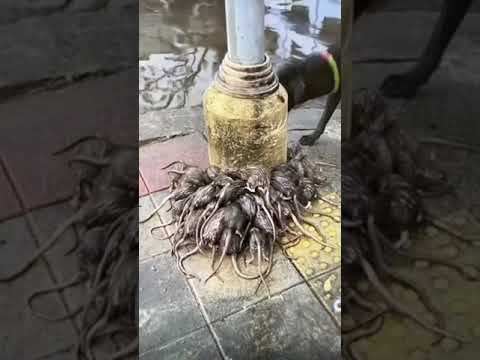
When food runs out, rats don’t bolt immediately. They try to adapt, searching for anything edible and scoping out new spots.
How long they stick around depends on things like shelter, water, and whether there’s food nearby.
How Long Can Rats Survive Without Food?
Rats can go about 3 to 4 days without food. Adult rats last longer than babies, which usually only survive around 2 days if they can’t eat.
Once they run out of options, they start to weaken and may die if nothing turns up.
Even when food is hard to find, rats don’t starve right away. They might nibble on bits they’ve stashed in their nests or just eat less.
So, starving them out isn’t a quick fix—it takes some patience.
Rats Searching for Alternative Food Sources
When their usual food disappears, rats get desperate and will eat pretty much anything organic. Scraps, garbage, pet droppings, wood, cardboard, even bits of clothing—nothing’s really off the menu.
Some rats even eat dead rats when things get really tough. It’s gross, but it helps the strongest survive when times are hard.
If you’re banking on just removing food to get rid of them quickly, well, they usually have backup plans.
Factors That Influence Whether Rats Leave
A few things push rats to leave if there’s no food left. The biggest one? How close other food sources are.
Rats can travel up to 300 feet for a meal, even heading over to a neighbor’s place.
If your home still gives them water and shelter, they might stick around rather than risk moving. Overcrowding, predators, or a destroyed nest can force them out sooner.
Female rats with babies sometimes move their nests closer to food when they have to. Still, most rats prefer to stay put and just search farther for something to eat.
Rat Adaptability and Survival Tactics
Rats adapt fast. They’ll switch up their diet to survive, and when food vanishes, they get bolder—exploring new places at night for scraps.
They’re experts at squeezing through tiny gaps to reach food or shelter. Even if you block a bunch of entry points, they often find another way in.
Rats stash food in their nests and use any safe spot they can find. They’re tough and sneaky, so just taking away food might stress them out but usually won’t make them leave right away.
If you want to dig deeper into rats’ eating habits and behavior, check out this article about will rats leave if there is no food.
Effective Steps to Encourage Rats to Leave

To get rid of rats, you’ll want to cut off their food, seal up entry points, and use smart pest control tricks. These steps make your home less appealing and help keep rats from coming back.
Removing Food Sources to Discourage Rats
Rats come inside mostly because they’re hungry. Take away their easy meals.
Store all food—including pet food—in containers they can’t chew through. Clean up crumbs and spills quickly, especially in the kitchen.
Take out the trash often and use bins with tight lids. Don’t leave pet food out overnight, and try to keep birdseed off the ground.
Skip putting meat or dairy in compost piles since those attract rats fast.
Regular cleaning and keeping food out of reach lowers your chances of a rat problem. If rats can’t find food, they’re more likely to move on.
Sealing Entry Points and Denying Shelter
Rats squeeze through shockingly small spaces, so check your home closely. Look for cracks in the foundation, gaps around pipes, vents, or attic openings.
Seal up holes with wire mesh, cement, or caulk. Put fine metal mesh over vents to keep rats out but let air flow.
Fix damaged screens and patch holes as soon as you spot them. Clear away piles of clutter or brush near your house, since those make great hiding spots.
Denying rats a safe place to live matters just as much as taking away their food. The CDC actually recommends sealing entry points as a key step in rat control.
Pest Control Methods and Long-Term Prevention
If you’ve cut off their food and sealed up gaps but rats still stick around, you could try humane traps. These let you catch the rats and release them far from home, avoiding harm and skipping harsh chemicals.
A lot of folks dab peppermint oil near entry points, hoping to keep rats out. Just remember, you’ll need to reapply it pretty often if you want it to work.
Some people try ultrasonic pest repellers. They might help a little, but honestly, you probably shouldn’t rely on them alone.
If nothing else works, you might need to bring in professionals. They can use rodenticides or other targeted tools to get rid of a stubborn infestation.
Try to keep your home clean, patch up holes, and set traps or repellents where you notice activity. A bit of regular upkeep goes a long way toward keeping rats away and, frankly, helps you feel more at ease.


