
Ever thought about jumping into a lake or pool to get away from a swarm of bees? It sounds clever, but here’s the thing—bees don’t dive underwater after you, but they’ll wait right above the surface, ready to sting as soon as you come up for air. So, water isn’t really a safe hiding spot if bees are after you.
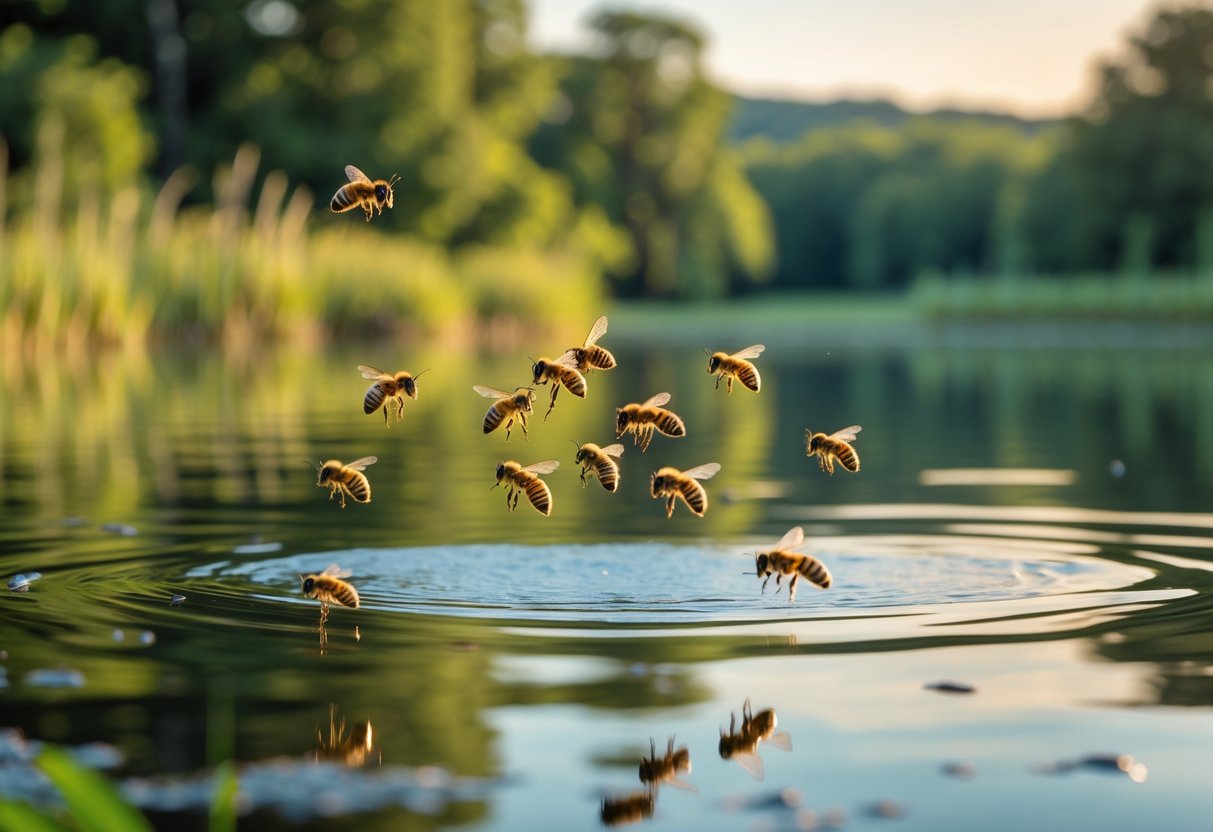
Knowing how bees behave around water might actually help you in a scary moment. They can hover for hours, so hiding underwater doesn’t really work. That’s a weird thing to imagine, but it’s true.
Do Bees Wait For You Above Water?

If you end up near water during a bee attack, it’s good to know what to expect. Bees won’t follow you underwater, but they’ll probably wait just above the surface for you to come up. This makes jumping into water kind of a risky move.
What Happens When You Jump Into Water During a Bee Attack
It might seem smart to jump into water to get away from bees, but honestly, it doesn’t help much. Bees don’t dive underwater, but they’ll hover right above, waiting for you to need air.
So, if you try to hide underwater, you only get a break until you need to breathe. The bees are right there, waiting to sting. It’s also risky because you could panic or hold your breath too long.
How Long Will Bees Hover Above Water
Honeybees can wait above the water for a surprisingly long time. People have seen bees hovering for hours, just waiting for someone to surface.
If you see a swarm, it’s probably best to stay away from water. The longer you hide, the longer the bees will stick around. That makes things even more dangerous, since they’re ready to sting as soon as you pop up.
Why Bees Remain Above Water
Bees don’t like water, so they won’t dive in after you. They just wait above because they’re attracted to movement and the carbon dioxide from your breath.
By hovering, they can keep up the attack without risking themselves. Their bodies can’t handle being underwater, so they stay above where it’s safe for them.
Differences Between Bees and Wasps Above Water
Bees and wasps don’t act the same way near water. Wasps usually get more aggressive and might chase you farther away from water.
Honeybees focus on protecting the hive, so they’ll hover patiently above water. Wasps, on the other hand, might not wait as long for you to surface.
If you’re curious and want more details, check out this article about why bees wait for you above water.
Risks and Best Actions During a Bee Encounter Near Water

If you’re facing a bee attack near water, jumping in might sound like a decent idea at first. But honestly, hiding in lakes or pools comes with real dangers.
Knowing how to react calmly can help you get away safely. Sometimes it’s hard to stay calm, but it really matters.
Dangers of Hiding From Bees in Lakes or Pools
When you dive into water to escape bees, they often wait for you to come up for air. This puts you at risk of drowning because you have to keep surfacing.
The bees may stay above water for hours. That’s a long time to try and hold your breath.
Besides the risk of drowning, panicking from being stung or surfacing while bees hover can make you do unsafe things. This could lead to injury or make it harder to get help.
Proper Response to a Bee Attack
If bees attack, try to stay calm and move away slowly. Swatting at them actually makes things worse and angers the bees even more.
Cover your face with your hands or clothing to protect sensitive areas. That’s usually where bees aim.
Try to get indoors or into a shady spot where bees are less likely to follow. Running toward darker areas can confuse them and make them give up the chase.
If you’re near water, don’t jump in. Walk steadily away from the swarm toward somewhere safe. Keeping your cool helps you avoid panic stings and makes it easier to escape.
Medical Concerns After a Bee Sting
Bee stings hurt and can cause swelling, itching, or redness. Most people only get mild reactions, and you can use ice, antihistamines, or creams to feel better.
Some folks have allergic reactions that need quick medical attention. Watch for trouble breathing, swelling in the face or throat, dizziness, or a rapid pulse.
If you get stung a lot or start feeling really bad, get emergency help fast. Quick treatment makes a big difference and can help you avoid serious problems.
Why Water Is Not a Safe Escape
Water doesn’t make bees angry, but let’s be honest—it won’t save you either. Bees actually use water to drink and cool off, so hanging out near water won’t really stop them from coming after you.
If you jump in, you could end up in real trouble. Bee stings can make you panic, and suddenly swimming or even keeping your head up becomes a struggle.
You won’t be able to protect yourself well underwater, either. That’s a problem a lot of people don’t think about until it’s too late.
Just move away calmly on land instead. Try to cover your face and look for a closed door or some kind of shelter.
Honestly, that’s going to keep you much safer than hiding in a pool or lake if bees are after you.
If you want more details about why water isn’t a good escape during a bee attack, check out this why you shouldn’t jump in water when attacked by bees.


