
Finding a rabbit nest in your yard can be a delightful surprise, but disturbing it can raise many questions. You may wonder if the mother rabbit will return after you accidentally disrupt her home.
In many cases, a mother rabbit will come back to a disturbed nest if she feels it is safe.

Understanding rabbit behavior can help you address this situation with care. Mother rabbits are cautious animals. They often stay away from the nest during the day to protect their young from predators.
If you happen to disturb the nest, it’s important to remain calm and give her time to return.
If you see signs of disturbance, it’s a good idea to repair the nest gently and then step back. This allows the mother rabbit to assess the safety of her nest and decide whether to come back.
The next few steps can make a big difference in ensuring the safety of those adorable baby rabbits.
Understanding Rabbit Nesting Habits
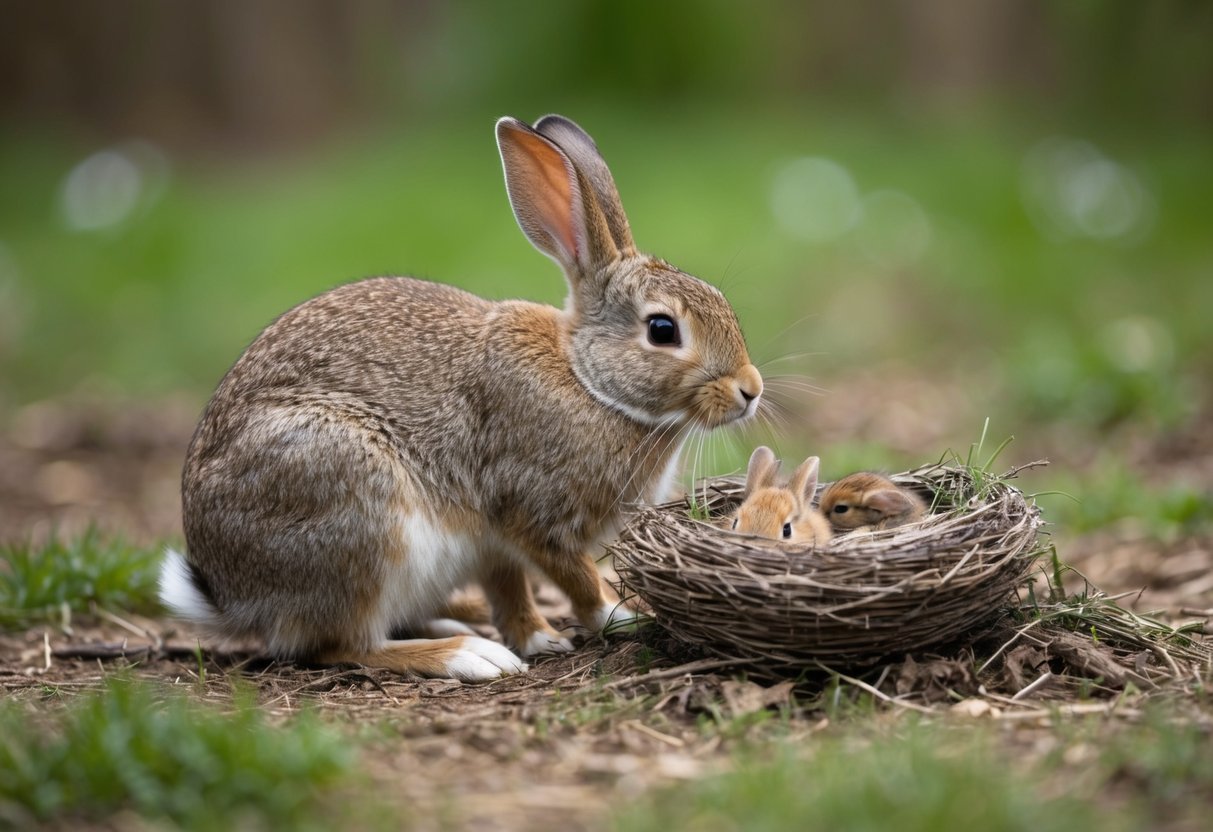
Rabbit nesting habits are fascinating and play a vital role in the survival of baby rabbits. By recognizing the unique characteristics of rabbit nests and their maternal instincts, you can better understand how mother rabbits care for their young. Let’s explore these important aspects.
Characteristics of a Rabbit Nest
A rabbit nest is typically a small, shallow depression in the ground, often hidden under grass or brush. Mother rabbits, especially cottontail rabbits, make their nests with soft materials. They gather fur, grass, and leaves to create a warm and comfortable space for their baby rabbits.
Mother rabbits also line the nest with their fur, which helps insulate it against colder months. This soft bedding keeps the kits warm and safe from potential predators.
Baby rabbits, known as kits, are born blind and helpless, making a secure nest essential for their early survival.
Maternal Instincts and Behavior
Mother rabbits exhibit strong maternal instincts. After giving birth, they typically feed their kits only once or twice a day. This behavior helps to minimize the scent around the nest, reducing the risk of predators finding it.
If the nest is disturbed, the mother rabbit may initially feel threatened. Still, she often returns if she determines it is safe.
It is essential to create a calm environment for mother rabbits. Avoid interfering with the nest to give her the best chance to take care of her young.
Seasonal Nesting Patterns
Rabbit nesting habits vary with the seasons. During spring and summer, mother rabbits are more active in nesting because baby rabbits are born around this time. The milder weather offers more food and shelter, making it easier for mothers to care for their kits.
In the colder months, nesting becomes crucial for survival. Rabbits may dig deeper burrows to keep their nests insulated. They are less likely to nest during harsh winters, leading to fewer baby rabbits being born during this time.
Understanding these seasonal behaviors can help you better appreciate the challenges mother rabbits face when raising their young.
The Impact of Disturbing a Rabbit Nest

Disturbing a rabbit nest can have several effects on the mother rabbit and her babies. Understanding these impacts helps ensure the safety and well-being of the young rabbits. Here are the key areas of concern when a nest is disturbed.
Risks of a Disturbed Nest
When a rabbit nest is disturbed, it can lead to several risks for the baby rabbits. In nature, the mother rabbit often stays away from the nest to protect her young from predators. If the nest is disturbed, the mother may perceive it as unsafe.
This can result in her abandoning the nest. Baby rabbits rely on their mother for warmth and food. Without her, they face a higher risk of dying from exposure or starvation.
Human activities like loud noises or pets getting too close may also cause distress.
Mother Rabbit’s Reaction
The mother rabbit’s reaction to a disturbed nest can vary. Many times, she will assess the situation and may choose to return once the disturbance has passed.
If she senses danger or is unable to reach the nest, she might abandon it.
Maternal instinct plays a huge role here. A mother rabbit prioritizes the safety of her kits.
It’s important to give her some time before intervening. If you see a disturbed rabbit nest, it’s best to leave the area undisturbed.
When to Intervene
Knowing when to intervene is crucial. If you find a disturbed rabbit nest, your first step should be to observe from a distance.
If the mother has not returned for several hours, it may be time to consider gently checking on the kits.
Be cautious when handling baby rabbits. They are delicate and depend on their mother for care.
In many cases, the best approach is to leave the nest alone and not interfere. If you believe the rabbits are in danger or abandoned, contact a wildlife rehabilitator for guidance.
How to Respond to a Disturbed Nest

Finding a disturbed rabbit nest can be concerning. Knowing how to respond correctly is important for the safety of the rabbits and the environment around them. Here are some steps you can take.
Initial Steps and Observation
When you first spot a disturbed rabbit nest, your priority should be to observe from a distance. Avoid getting too close or touching the area. Rabbits can feel threatened by human activity.
Look for signs that the mother rabbit has returned. This might include fresh tracks or fur around the nest.
Give her time to come back, as she often will if she feels it’s safe. If there are baby rabbits visible, it’s best not to handle them. This can lead to abandonment.
If you notice predators nearby or continued disturbances, consider marking the area to keep pets away.
Never attempt to move the nest, as this can harm the rabbits or make them feel unsafe.
Contacting Wildlife Experts
If you are worried about the well-being of the rabbits or the disturbance seems severe, contacting wildlife experts can help.
Wildlife rehabilitators are trained to deal with such situations. They can provide guidance on what to do next.
You can reach out to a local wildlife rehabilitation center. These centers often have professionals who can assess the situation. They may even offer assistance or advice on how to help the rabbits without intervening too much.
Keep in mind that they may ask you to observe quietly for a while. Patience is key in these situations.
Preventive Measures to Protect Rabbit Nests
To minimize disturbances to rabbit nests in the future, consider creating a safe outdoor space. Building a catio can keep pets contained and away from wildlife. This protects rabbits and helps you enjoy nature without interference.
Also, educate your family about the importance of wildlife in your area. Reducing human activity near known rabbit nests can encourage safe nesting.
If you notice any signs of disturbances, such as increased human or pet activity, address it promptly. Being proactive can keep rabbit families safe and thriving in your neighborhood.
Creating a Safe Environment for Local Rabbits
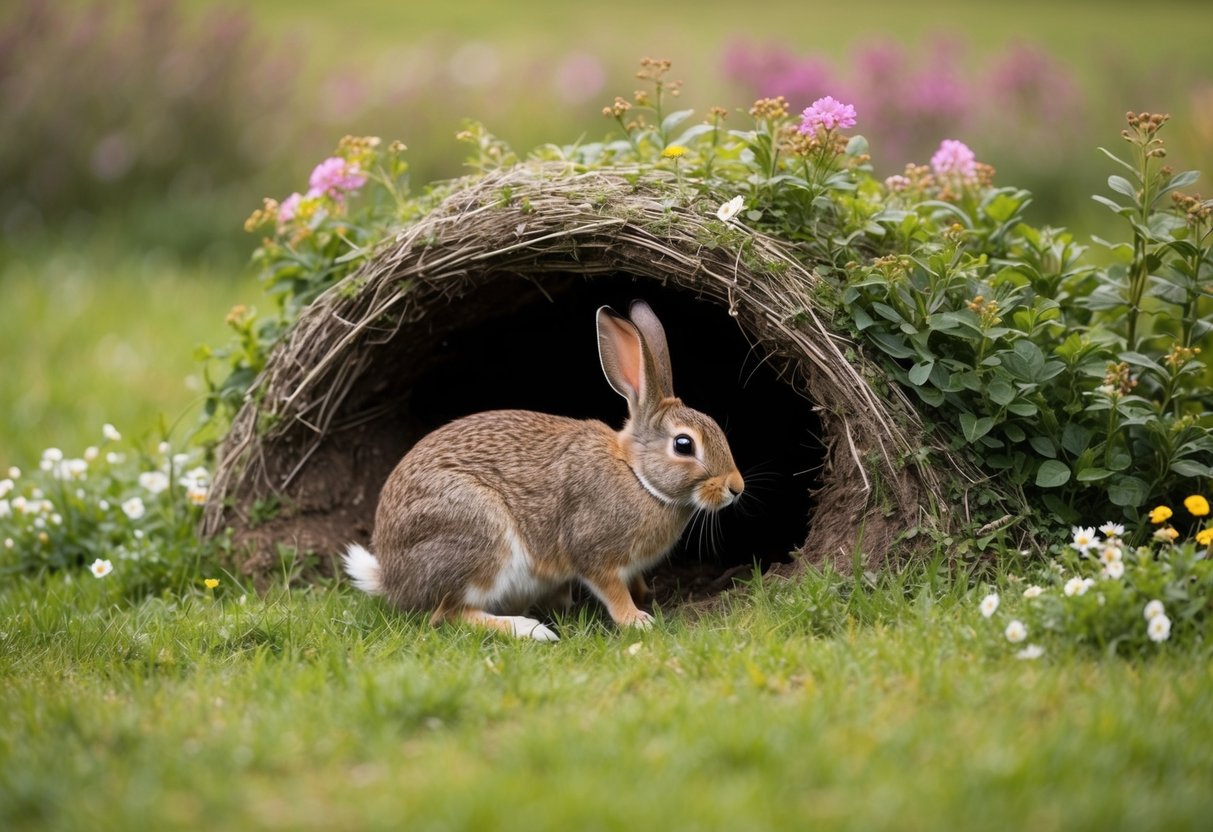
A safe environment is important for local rabbits, especially for mother rabbits and their baby bunnies. By making small changes in your yard, you can help them thrive while minimizing risks from predators and human activity.
Designing a Rabbit-Friendly Yard
To make your yard inviting for rabbits, start by adding natural cover. You can plant shrubs or tall grasses where they can hide. This provides shelter from predators like hawks and foxes.
You might also consider placing some logs, rocks, or piles of leaves. These create hiding spots and feeding areas.
Avoid using harmful chemicals in your garden. Pesticides can endanger rabbits and their food supply.
Additionally, limit fences and barriers to allow rabbits easy access. Allowing them to enter your yard gives them a safe place to rest and feed.
Always observe your yard to identify signs of rabbit activity, which means your efforts are paying off.
Understanding and Reducing Threats
Being aware of potential threats is key to helping local rabbits. Predators such as cats, dogs, and larger birds are common dangers.
If you have pets, make sure to keep them supervised when outside. This can prevent them from chasing or harming rabbits.
You should also be mindful of human activities. Construction or lawn care can disturb rabbit nests and scare them away.
If you see a nest, give it space to ensure the mother rabbit feels safe to return.
Planting flowers and native grasses can also help attract rabbits, but make sure to keep the area quiet. Noise can be a deterrent for rabbits, making them less likely to visit.
Protecting these delicate creatures involves creating peaceful surroundings where they can thrive.


