
When a bat finds its way into your home, you might wonder if it will leave on its own. In many cases, a bat can escape by finding its way back out through the entrance it came in. These creatures often navigate using echolocation, helping them locate openings and avoid obstacles.
However, if the bat seems disoriented or stressed, it may need some assistance. Habitat loss has caused many bat species to struggle, making them more vulnerable when they end up in unfamiliar places. Understanding more about their behavior can ease your worries and guide you on how to help.
Bat conservation is important, as these animals play a critical role in our ecosystem by controlling insect populations. By learning how to encourage a bat to leave your home safely, you contribute to their survival and well-being while keeping your space comfortable.
Understanding Bat Behavior
Bats are fascinating creatures with unique habits and traits. Their ability to navigate using echolocation and their seasonal behaviors are key to understanding how they live and thrive.
Echolocation and Roosting Habits
Bats use echolocation to find food and navigate their environment. By emitting high-frequency sounds, they receive echoes from objects around them. This helps them detect insects and obstacles even in the dark.
Many bat species roost in colonies, often in caves, trees, or buildings. Roosting provides warmth and protection. It’s common to find hundreds or thousands of bats in one location. These colonies help them stay safe from predators and create social bonds.
When you see bats, they may be flying out at dusk to hunt. This behavior is part of their routine as they search for food to feed themselves and their young.
Hibernation and Seasonal Movements
During colder months, many bats enter hibernation. This state allows them to conserve energy when their food sources are scarce. Hibernating bats drastically lower their body temperature and metabolic rate.
Different bat species have various hibernation habits. Some seek out dark, quiet places like caves, while others may move to milder climates. Seasonal movements are crucial for their survival.
When spring arrives, bats emerge to replenish their energy and resume their search for food. Understanding these hibernation patterns helps you appreciate their life cycle and how they adapt to changing environments.
Dealing With Bats in Human Spaces

Bats can unexpectedly find their way into homes or buildings, creating concern for homeowners. It’s essential to know how to manage this situation if it occurs. You can take steps to identify how they got in, use effective exclusion methods, and understand when to seek help.
Identifying Entry Points
Bats are small and can squeeze through tiny openings. Common entry points include gaps around windows, doors, vents, and roof edges.
Steps to Identify Entry Points:
- Inspect Your Home: Look closely at eaves, chimneys, and loose siding for cracks or holes.
- Observe at Dusk: Watch for bats flying in or out during the evening, as they usually emerge at this time.
- Use a Flashlight: Shine a light in dark areas like attics or basements. You may spot bats or droppings that indicate their presence.
Finding these entry points is crucial to prevent future visits.
Bat Exclusion Techniques
Once you identify entry points, it’s time to apply exclusion techniques. This helps ensure bats leave and don’t return.
Effective Exclusion Methods:
- Seal Openings: Use caulk, foam, or mesh to close gaps. Ensure the chosen materials are suitable for the exterior.
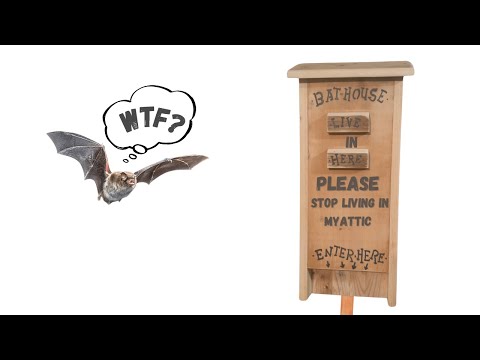
- Install Bat Houses: Providing an alternative roosting option encourages bats to live elsewhere. Place bat houses away from your home.
- Timing is Key: Exclude bats during late summer or early fall to avoid disturbing nursing mothers and their young.
Patience and consistency are important in your exclusion efforts.
Seeking Professional Help
If you’re unsure or the situation seems overwhelming, consider calling a professional.
When to Call:
- Animal Control: They can safely capture and relocate the bat. Many towns have services dedicated to wildlife issues.
- Pest Control Experts: Seek those trained in humane bat removal and exclusion techniques.
- Wildlife Rehabilitators: These professionals can offer guidance and help if a bat needs care.
Connecting with the right experts helps ensure safe and effective management of bats in your space.
Preventive Measures and Bat Conservation

Taking steps to create a safer environment for bats is important for their survival. By understanding how to support their habitats and follow legal guidelines, you can help bats thrive while keeping your home bat-friendly.
Creating a Bat-Friendly Environment
You can easily create a welcoming space for bats by installing a bat house in your yard. Bat houses provide a secure place for bats to roost. Make sure the house is located high up and away from bright lights.
Using native plants in your garden can also attract insects, which serve as food for bats. Avoid using pesticides, as they can harm both the bats and their food sources. Keeping large trees in your area can provide natural roosting spots and shelter for bat colonies.
Supporting Bat Habitats
Bats face challenges like habitat loss due to man-made structures and urban development. You can help by supporting local organizations that promote bat conservation, such as Bat Conservation International.
Participating in citizen science projects can also make a difference. By documenting bat sightings or roosting locations, you provide valuable information to researchers. This helps to ensure that their habitats are protected for years to come.
Legal and Ethical Considerations
Many bat species are protected by law. You must follow local regulations regarding bat removal and conservation. Always consult with wildlife professionals if you need help with a bat situation.
Remember, you need to act ethically when dealing with bats. Handle any interactions with care and respect. This approach not only helps bats but also promotes a harmonious relationship between humans and wildlife.


