
Seeing bats flying around your house can be surprising, but it’s actually quite normal.
Bats are nocturnal animals, and they are often active at night as they search for food, usually insects. In fact, many species of bats use echolocation to navigate and find their meals, making them helpful in keeping bug populations down in your area.

While it might be unsettling to encounter bats near your home, they play an essential role in the ecosystem. Bats help control insects and pollinate plants. Understanding their behavior can help reduce your fears and even make you appreciate these creatures more.
So, if you notice them fluttering around your property, remember that they are just doing their job as part of nature’s balance. You may even find that having bats around can be more beneficial than you think.
Understanding Bat Behavior
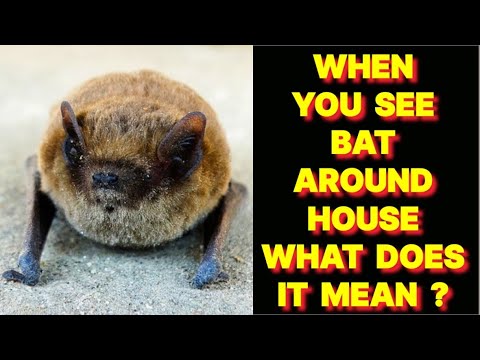
Bats are fascinating creatures with unique behaviors. Their flight patterns and reasons for being near your home are important to understand, especially if you spot them often.
Echolocation and Flight Patterns
Bats use a special ability called echolocation to navigate and find food. They emit high-frequency sounds that bounce off objects, helping them “see” their surroundings even in the dark. This skill is essential for catching flying insects, their primary food source.
When observing bats, you may notice that they flutter around lights at night. This is because lights attract insects, making it easier for bats to hunt. Different species, like the big brown bat and little brown bat, may have varying flight patterns, but all use echolocation to locate their prey efficiently.
Reasons Bats May Appear Around Homes
There are several reasons why bats might fly around your house. First, your home could be close to a food source, like a light attracting insects. Bats are drawn to areas where they can easily find food.
Another reason could be that young bats are learning to fly. As they practice, they may venture near human dwellings. Additionally, if your attic or roof has gaps, it can attract bats seeking a place to roost. Having bat houses nearby can also provide a safe environment for them, encouraging their presence around your home.
Health Risks and Prevention

While bats are often beneficial for their insect control, they can pose health risks if they enter your living space. Understanding these risks and how to prevent bats from roosting in or near your home is essential for your safety.
Potential Diseases from Bats
Bats can carry diseases that are harmful to humans. One significant concern is rabies. If a bat bites you, there is a risk of contracting this deadly virus.
Bat droppings, known as guano, can also cause health issues. When guano dries, it can release spores that may lead to histoplasmosis, a lung infection. You should avoid direct contact with bat droppings to minimize this risk.
To stay safe, always be cautious around bats and their habitats. If you suspect exposure to bat bites or droppings, seek medical attention promptly.
How to Prevent Unwanted Bats
Prevention is key to keeping bats away from your home. Start by sealing any gaps or cracks around your house. Small openings can be entry points for bats seeking shelter.
Additionally, keep your attic and basement clean and free from accumulated droppings. Install screens on vents and chimneys to block access.
During the warmer months, you may notice bats attracted to lights around your property. Limiting outdoor lighting can help reduce flying insects, which bats hunt. If bats do find their way inside, contact a wildlife control expert for safe removal.
Dealing with a Bat Infestation

If you notice bats flying around your home, it’s important to take action quickly. Understanding how to identify a bat problem and the options for removal can help keep your home safe and comfortable.
Identifying a Bat Problem
Look for signs of bats around your property. You might see bats flying at dusk or dawn. Also, listen for strange noises in your attic, like scratching or fluttering sounds.
Check for droppings, known as guano. They are often found near entry points and can be harmful. Remember, a bat infestation can lead to health issues and property damage if not addressed. Keeping your house bat-free is essential for your safety.
Professional Bat Removal Options
If bats are roosting in your home, seeking professional assistance is often the best option. Pest control experts are trained to handle bat infestations safely and effectively. They can assess the situation and recommend the right removal techniques.
Professionals use methods that are humane, ensuring that bats are removed without harm. They can also help you identify how bats are entering your home and the best ways to keep them out for good. Always choose a company that specializes in wildlife control for the best results.
DIY Bat Exclusion Techniques
If you prefer a hands-on approach, there are DIY bat exclusion techniques you can implement.
Start by sealing up any potential entry points, like gaps in windows or doors. Using materials like heavy mesh or caulk can help keep bats from getting inside.
Installing bat houses outside your home can also provide a place for bats to roost away from your living space. Creating a less inviting environment by removing food sources, like insects around lights, can discourage them from approaching your home. Remember, patience is key as you work to evict these creatures humanely.
Conservation and Safe Coexistence

Coexisting with bats can be both beneficial and important for the ecosystem. Bats help control insect populations, which can protect your garden and home from pests. It’s good to keep their population healthy.
If you find bats around your house, consider providing a safe space for them.
Bat houses offer a great alternative to roosting sites. These houses allow bats to raise their young without causing problems in your home.
When bats need to be removed, opt for bat exclusion methods. This means sealing entry points when the bats are not present. Doing this in the evening can help. Always consult a professional for safe removal.
Many homeowners worry about big brown bats. They are common in many areas and can help pollinate plants. Knowing they are there can help you appreciate their role in nature.
You can also take steps to protect bats. Avoid using harmful pesticides in your yard, as these can harm bat populations. Instead, embrace a more natural ecosystem that encourages wildlife.
Supporting bat conservation initiatives is another way to ensure these creatures thrive. You can participate in local efforts or support organizations dedicated to protecting bats and their habitats. Your actions can make a big difference!


