
Taking honey from bees might look harmless at first glance, but it can actually hurt the bees if you’re not careful. When bees lose their honey, they lose their main food source, especially during cold months. That can weaken the whole colony and put their survival at risk.
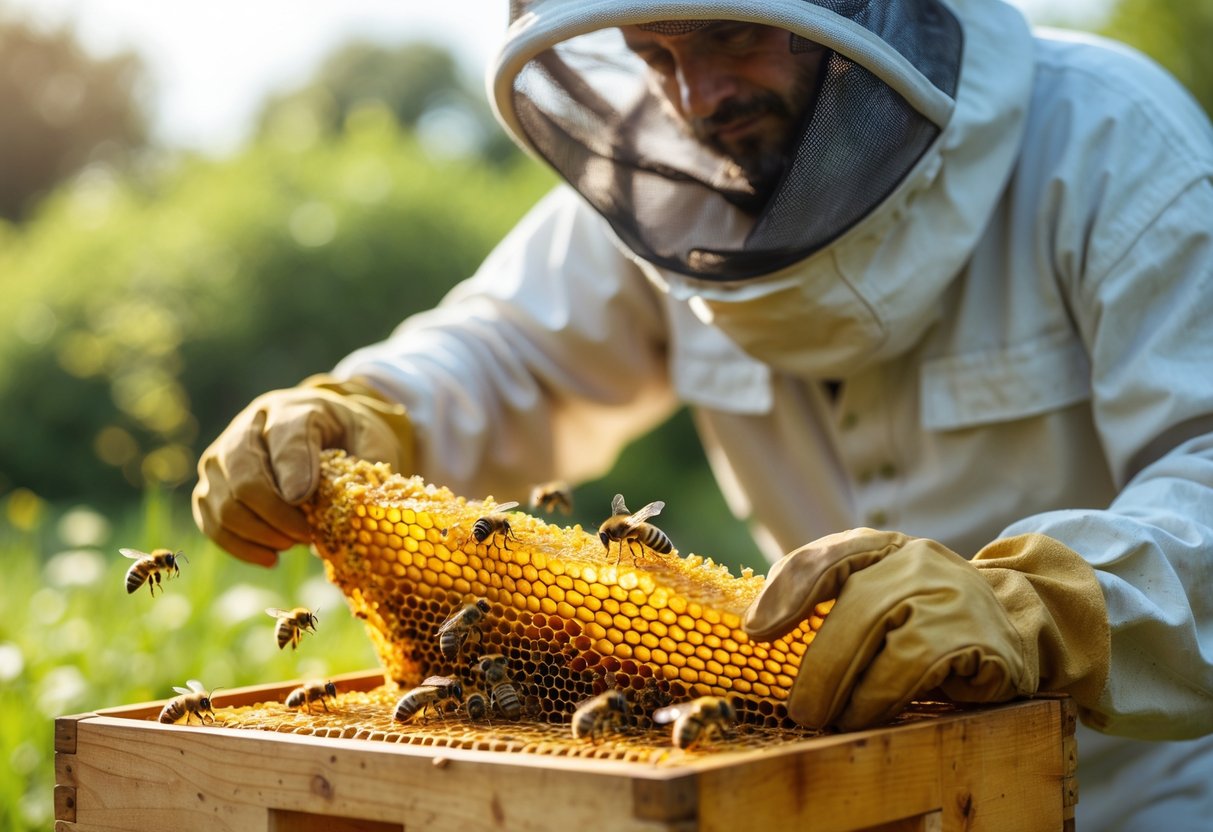
You might not think about it, but honey isn’t just a treat for us—it’s the energy bees rely on to build hives and raise their young. If people take too much honey, bees might not have enough to eat or to protect themselves from pests and disease.
Responsible beekeepers try to avoid this, but honestly, not everyone puts the bees’ needs first.
If you care about nature or just think bees are cool, it’s worth learning how important their honey is for their survival. Understanding this can help you see why leaving honey for the bees really matters.
Key Reasons Not to Take Honey From Bees

Taking honey from bees affects their health in a bunch of ways. It changes their diet, stresses them out, and can leave them with less food to survive.
When you look closer, you’ll see why leaving honey alone really matters for bees’ well-being.
Honey Is Essential for Bee Survival
Honey is the main food for bees, especially when flowers are scarce during cold or dry times. Bees store honey in the comb to feed the whole colony, including the queen and young bees.
If bees don’t have enough honey, the colony can get weak or even starve.
Foraging bees collect nectar and turn it into honey because it lasts longer than nectar. When you take too much honey, you cut into their energy stores and make it harder for them to stay healthy during tough seasons.
It’s hard to know exactly how much honey a hive needs, so taking it all is risky.
Nutritional Impact of Honey Substitutes
Beekeepers sometimes replace honey with sugar syrup or plain sugar when they harvest. But these substitutes don’t have the same nutrients as real honey.
Honey has vitamins, minerals, and enzymes that bees need for good health.
Sugar syrup is basically just empty calories. It doesn’t give bees the complex nutrition they get from their own honey.
Feeding bees sugar syrup too often can weaken their immune systems and even shorten their lives. You might think you’re helping, but sugar syrup just isn’t a real replacement for honey.
Bee Welfare and Stress During Harvesting
Harvesting honey can stress out bees and even harm them if you’re not gentle. Bees work hard to build their hive and protect the queen.
When you open up the hive to collect honey, you disturb the colony and might expose them to cold or predators.
Some beekeepers use gentle methods, but mistakes still happen. Bees can get crushed, or the hive might lose guards that keep it safe.
Stress makes the colony weaker and can mean less honey in the future. If you care about bees, you have to think about how your actions affect their daily lives.
For more info, check out how beekeepers harvest honey without harming the bees.
Impact of Honey Harvesting Practices
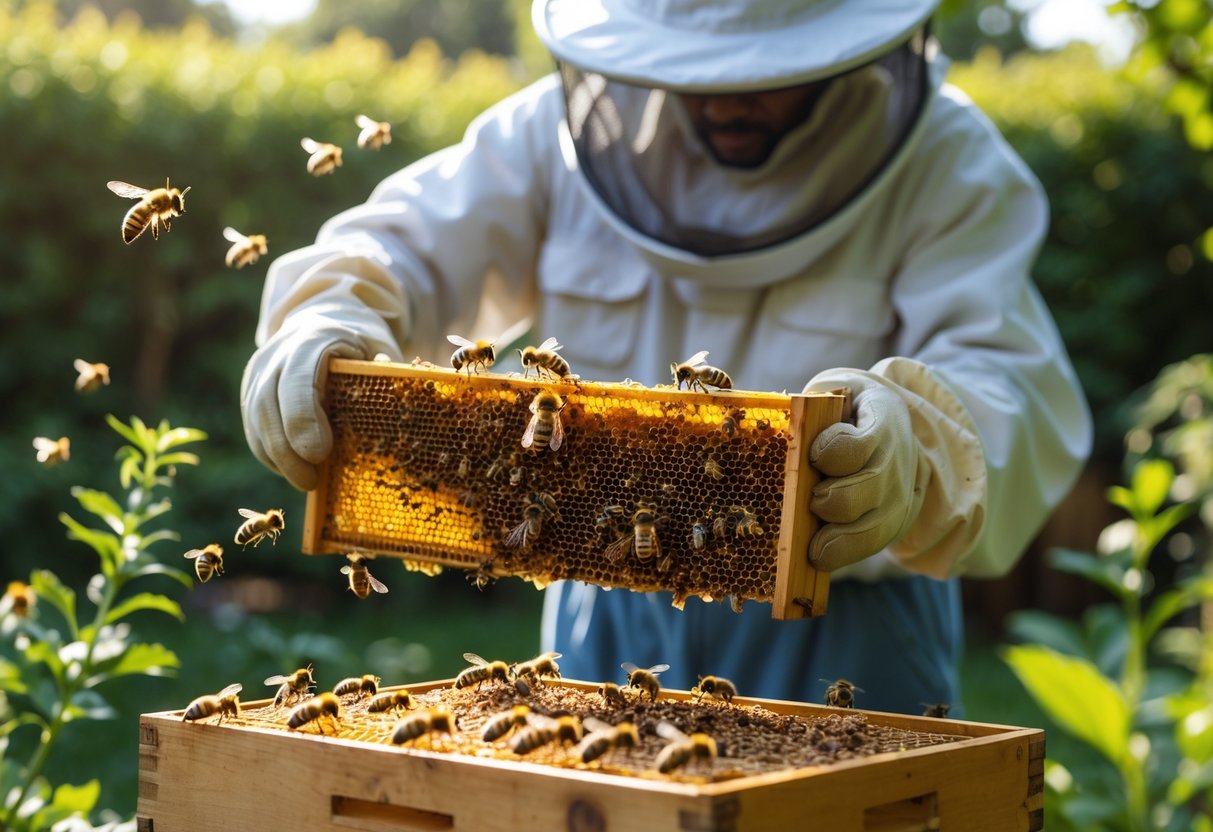
How you take honey from bees changes the health of the hive and the environment around it. Your choices as a beekeeper affect the bees’ strength, their ability to pollinate, and the balance in nature.
Commercial Beekeeping and Bee Health
In commercial beekeeping, bees often face stress from large-scale honey production. Taking too much honey can leave bees without enough food to survive, especially in winter.
That weakens the colony and makes it easier for pests like mites to invade.
Good beekeepers leave enough honey for the hive and check on the bees often. They manage swarming carefully to keep the colony strong.
Your methods really matter. Responsible harvesting lets bees recover and keeps them healthy.
Environmental Factors Affecting Bees
Your bee farm is just one piece of a bigger environment. Weather, pesticides, and habitat loss all affect your bees.
Poor conditions can mean less nectar and pollen for the hive, which makes your bees weaker.
Using sustainable practices helps bees fight off threats and keeps them productive. Protecting wild plants and avoiding harmful chemicals near your hives supports bee health and keeps honey production going.
Consequences for Pollination and Ecosystems
Bees play a huge role as pollinators. When beekeepers take too much honey, hives get weaker, and pollination drops off. Fewer fruits, veggies, and wild plants end up growing as a result.
If you manage your bees with care, you help pollinators thrive. That supports healthier farms and wild spaces. Keeping bees healthy protects a whole web of plants and animals—nature just works better that way.
When people take honey carelessly, bees struggle to make enough beeswax for their hives. They need that wax to build sturdy homes. Poor harvesting can mess with swarming and slow down colony growth. The way you handle honey makes a bigger difference than you might think.
Curious about how ethical honey harvesting helps bees? Check out Ethical Honey Extraction Methods for Sustainable Beekeeping.


