
Ever spotted a British bumble bee buzzing around your garden? You might wonder, can it actually sting you? Yep, British bumble bees can sting, but honestly, they rarely bother unless they feel threatened or you provoke them. Most of the time, these bees just want to collect nectar and mind their own business.

But here’s something interesting—not every bumble bee can sting. Only the females, like the workers and queens, have stingers and can use them if they need to defend themselves or their nests.
The males, or drones, don’t have stingers at all, so they can’t sting. Knowing this makes it a little easier to stay calm when you see one buzzing nearby.
Unlike honey bees, bumble bees don’t die after stinging. Their stingers are smooth, so they can sting more than once if they really have to.
Still, they avoid stinging unless you disturb them. If you’re curious about why and when bumble bees might sting, it’s worth learning more so you can enjoy watching these amazing pollinators up close.
For more details, you can check out info on how British bumble bees sting.
Understanding If British Bumble Bees Sting
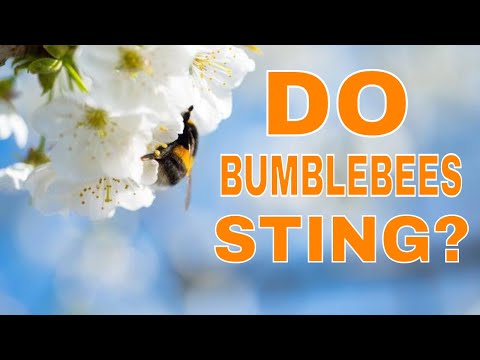
British bumblebees can sting, but honestly, they usually only do it in certain situations. Their sting works differently from honeybees, and you’ll often notice warning signs before they do anything.
Which Bumblebees Sting and Why
Only female workers and queens can sting. Male bumblebees don’t have stingers, so you don’t have to worry about them.
Bumblebees mostly sting to protect their nests or when they feel threatened. If you accidentally disturb a nest, a female bumblebee might sting to defend her colony.
Outside of defending themselves, these bees rarely sting. They aren’t aggressive like some other insects.
If you leave them alone, you probably won’t get stung.
How Bumblebee Stings Differ From Honeybee Stings
Bumblebees can sting more than once because their stingers don’t have barbs. Their stinger won’t get stuck in your skin, so the bee survives and could sting again if it has to.
The sting can hurt, but usually, it’s not a big deal unless you’re allergic. This is different from honeybees, which lose their stinger and die after stinging.
You can tell the difference because honeybees die after stinging, but bumblebees just fly away.
Aggression and Warning Signs
Bumblebees tend to stay calm and not act aggressive. You’ll rarely see them being hostile unless you get too close to their nest.
Look for warning signs like louder buzzing, faster flying, or if a bee starts coming straight toward you. If you see this, it’s smart to back away slowly.
Disturbing a nest or grabbing a bumblebee increases your chance of being stung. Just give them space and watch from a distance.
If you respect their territory, you’ll probably never get stung.
Bumblebee Sting Effects and Prevention

Bumblebee stings can cause pain and swelling, but most aren’t dangerous unless you have an allergy. It helps to know the signs of a sting, how to avoid one, and what to do if you get stung.
Typical Symptoms of a Bumblebee Sting
When a bumble bee stings you, you’ll probably feel a sharp pain or burning right away. The area usually swells up and turns red.
You might notice a small bump or hive where you got stung. Symptoms can stick around for a few hours or maybe a couple of days.
Some people get itching or tenderness around the sting. Rarely, an allergic reaction can cause bigger problems like swelling beyond the sting, dizziness, or trouble breathing.
If that happens, you should get medical help.
How to Avoid Being Stung by Bumblebees
Bumblebees mostly sting when they feel threatened. You can lower your chances of being stung by staying calm and moving slowly around them.
Try to avoid loud noises, quick movements, or swatting at bees. Wear light-colored clothes that don’t smell like flowers or perfumes.
Don’t disturb their nests or the flowers where they feed. Keep outdoor food covered so you don’t attract them.
If you spot a bumblebee nearby, just watch it calmly and give it some space.
First Aid and Treating a Bumblebee Sting
So, you got stung by a bumblebee. First things first, gently wash the spot with soap and water.
Bumblebees, unlike honeybees, don’t leave their stinger behind. You won’t have to dig around for anything.
Grab a cold pack or wrap some ice in a cloth, then press it on the sting. That usually helps with swelling and pain.
If you’re still feeling itchy or sore after a while, you might want to try an over-the-counter pain reliever or antihistamine.
Keep an eye out for anything unusual, like trouble breathing or swelling that spreads fast. If you notice those, it’s time to call emergency services—don’t wait.
Want to dive deeper into prevention and care? Here’s a handy guide: bumble bee sting care and prevention.


