
Ever hear a squirrel let out a high, sharp scream and wonder what’s going on? Squirrels usually scream to warn others about danger or when they feel threatened. So, if you catch that sound, something nearby probably startled or chased them.

There’s more to squirrel sounds than just screams, though. They use different calls depending on what’s happening, and those noises can tell you a lot about their mood or what’s lurking nearby.
Let’s get into why squirrels make these noises, how a scream stands out from a bark or chirp, and what you can figure out about their world just by listening.
The Reasons Behind Squirrel Screaming

Squirrels scream when they sense danger, get into a fight, or suffer an injury. You’ll hear those sharp, high-pitched cries if a squirrel feels threatened, clashes with another squirrel, or gets hurt and tries to call for help.
Alarm Calls and Predator Warnings
When a squirrel spots a hawk, cat, or even a person, it’ll let out a loud, high scream to alert others. These alarm calls sound short and urgent.
You might catch an eastern gray or fox squirrel giving a long shriek or a series of sharp notes while freezing in place or bolting up a tree.
That scream grabs the attention of other squirrels and sometimes makes predators pause. Squirrels often mix in barks or chirps to show how serious the threat is.
You’ll also notice tail flicking or pointing toward the danger when they make these calls. If you’ve got bird feeders or watch your trees, you’ll probably hear more alarm calls since squirrels stay on high alert where predators or people show up a lot.
Territorial Disputes and Aggressive Encounters
Squirrels get loud during fights over food, nests, or mates. Their screams turn harsh and usually come with chattering, squawks, or barks.
You’ll see two squirrels chasing, biting, or wrestling on a branch or the lawn while yelling at each other.
Territorial screams warn rivals to keep away and show who owns a feeding spot or den. During mating season, males use short, repeated shouts to warn off other males.
Females can also scream if they’re defending their babies or a nest. If you watch closely, you’ll see aggressive screams paired with raised fur, circling, and quick lunges—pretty different from the frozen, tail-pointing alarm calls.
Injury, Pain, and Distress Vocalizations
A squirrel caught by a predator or hurt from a fall will let out a frantic, high-pitched scream. These distress calls last longer and sound more desperate than regular warning calls.
You might hear this if a squirrel gets stuck in a fence, injured by a cat, or hit by a car.
Sometimes, other squirrels rush over or run away when they hear these screams. Young squirrels give thin, repetitive whistles to call for their mother.
Adult distress calls mix squeals and whines that just sound painful. If you hear this kind of scream, check for visible injuries or odd behavior like limping or trouble climbing.
Don’t try to handle wild squirrels yourself—if you spot one that’s badly hurt, it’s best to contact a local wildlife rehabilitator.
Types and Contexts of Squirrel Vocalizations
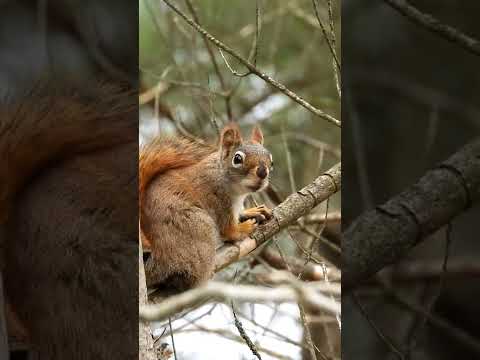
Squirrels use their voices for a lot more than just screaming. Their sounds signal danger, attract mates, and even change from species to species.
Let’s break down which noises mean what—alarm, mating, or social cues—and how eastern gray and fox squirrels might sound a little different.
Distinctions Between Squirrel Sounds
Squirrels have a few main sounds: short alarm barks, high-pitched screams, and softer chatters. Alarm barks come out quick and repeated, warning about ground predators nearby.
Screams blast out loud and sharp, usually signaling immediate danger or injury. You can pick up on their intent by listening to tempo and pitch.
Rapid, high-pitched screams almost always mean a serious threat. A single bark or chirp might just mark territory or a mild disturbance.
Watch their bodies too—tail flicking with calls usually means they’re agitated. If a squirrel screams while a hawk circles overhead, you’re hearing an aerial alarm.
Spotting two squirrels chattering near a nest? They’re probably fighting over territory or food, not sounding an alarm.
Mating Calls and Social Communication
When breeding season rolls around, you’ll hear more screams and chatters as mating calls or courtship signals. Females sometimes give loud calls when they’re ready to mate, and males answer with lots of vocalizing and chasing.
These sounds can tip you off to mating activity in early spring or late winter. Squirrel moms use soft chirps to guide or warn their babies without drawing too much attention.
Social calls between family members stay quieter and get repeated, while aggressive mating calls sound higher and last longer.
You’ll spot mating-related calls by watching for tree-to-tree chases, frequent calling, and close following. Those patterns usually mean courtship, not alarm.
Species Differences in Squirrel Screaming
Different species use the same types of sounds, but each one follows its own patterns. Eastern gray squirrels often mix chatters with sharp barks to mark territory or sound the alarm.
Fox squirrels go for deeper, louder barks. You probably won’t hear them scream as often, but when they do, it’s a lot more forceful.
Frequency and duration change, too. Eastern grays usually give off these short, rapid calls when they mob predators.
Fox squirrels, on the other hand, let out longer, lower-pitched alarm calls. Those calls carry farther, especially across open spaces.
If you’re out there watching local squirrels, pay attention to the pitch, how long the calls last, and what’s happening around them. That’s a much better way to tell an eastern gray from a fox squirrel than just looking at fur color or size, right?


