
You can figure out what squirrels are saying if you know where to look. They use sharp calls, tail flicks, and scents to warn about danger, claim food, or show who’s the boss.
Squirrel signals are quick, clear, and tied to real needs like safety, mating, and food—so you can pick up their meaning pretty fast.

If you watch a squirrel for a bit, you’ll notice patterns. They bark quickly for threats and wave their tails slowly when calm.
Squirrels also mark territory with scent. I’ll walk you through the sounds, body moves, and smells they use—and why those signals matter, whether you’re in a park or just looking out your back window.
Key Ways Squirrels Communicate
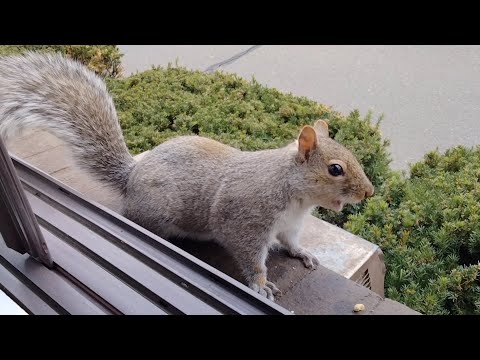
Squirrels use sound, sight, and smell to share danger, claim space, and find mates. You can spot warning barks, quick tail flicks, and scent marks on trees—they all mean something specific.
Vocalizations and Alarm Calls
Squirrels bark sharply, chirp, and chatter fast when they want to warn others. A short, repeated bark usually means there’s a predator nearby, maybe a hawk or a cat.
If the threat gets closer or moves quickly, you’ll hear faster, higher notes. Mating and contact calls sound softer—they use these to keep in touch with family.
Young squirrels squeak quietly when they want food. If you listen near trees and feeders, you’ll probably notice that squirrels call out from branches where they can keep watch.
Different species and situations change the sound pattern a bit. Urban squirrels often call more because people and dogs are always around.
Paying attention to the rhythm and pitch helps you tell alarm calls from regular chatter. It’s not always easy, but you get better at it with practice.
Tail Movements and Visual Signals
Squirrels flick their tails to show alarm, aggression, or curiosity. A rapid tail flick usually means “watch out” and makes other squirrels freeze or bolt.
When squirrels arch their tails slowly, they’re probably showing dominance during a territorial spat. Body posture adds extra meaning.
If a squirrel stands upright and flicks its tail, it’s alert. When it crouches with a tucked tail, it’s probably trying to hide or showing submission.
You can pick up on these signals from a distance. Tail displays work especially well in open spaces where sound doesn’t travel far.
If you spot a squirrel flicking its tail at something, there’s likely a predator or another squirrel nearby. It’s kind of fascinating how much you can tell just by watching.
Scent Marking and Chemical Communication
Squirrels have scent glands on their cheeks, chest, and feet. They rub their faces on branches or dig and pat the ground, leaving pheromones behind.
These scents tell other squirrels about territory or recent visits. Urine and gland secretions also share info about sex, reproductive state, and who’s who.
You might notice repeated markings around a nest tree or a favorite feeder. That’s usually a sign of ownership or maybe attraction.
Other squirrels pick up on these chemical cues and react, even if they don’t see or hear anything. Scent marking helps you figure out where squirrels spend their time.
Freshly scraped soil, rub marks, or piles of droppings near a tree usually mean there’s a lot of squirrel activity in that spot.
Why Squirrel Communication Matters in Nature and Backyards

Squirrel signals let you know when they’re warning others, claiming space, or looking for mates. Their sounds, tail moves, and scent marks all influence who lives where—and how often you spot them around your place.
Territorial and Social Behaviors
You’ll see squirrels defend food and nests with clear signals. Gray squirrel males chase rivals and chatter loudly to hold onto a food tree or den.
Females use softer calls and certain postures to protect their young. Scent matters too.
Squirrels rub cheeks and glands on branches to mark territory. That scent tells others to keep their distance or respect a boundary.
Young squirrels learn social rules by playing. They wrestle and chase each other to practice biting gently and escaping.
You can spot play by quick hops, mock chases, and those short, high-pitched calls. If you feed squirrels, you actually change their social dynamics.
Food draws more squirrels, which means more contests and sometimes more aggression—unless you scatter food to cut down on fights.
Species Differences in Signals
Different squirrel species show off with different sounds and body language. Gray squirrels use a wide range of loud calls, while red or pine squirrels have sharper, higher-pitched calls.
Ground squirrels, like prairie dogs, use complex alarm calls that tell others what kind of predator is around and how far away it is. Tree squirrels rely more on tail flicks and chattering.
Flying squirrels? They mostly use quiet squeaks and subtle moves since they’re active at night. Body language changes too.
Some species freeze and stare, others run in circles or flick their tails like crazy. If you pay attention to these differences, you’ll have a much easier time figuring out which squirrels live nearby and what they’re up to.
Squirrel Interactions in Urban Areas
In towns, squirrels adjust how they signal because of all the noise and people. You might notice louder or more frequent alarm calls near roads or parks, especially since predators and dogs show up a lot.
Urban food sources definitely shake up their social patterns. Bird feeders and fallen fruit shrink their territories and push them into bigger groups. That means you’ll probably see more chasing and hear some noisy vocal fights.
Try cutting down on conflict by limiting easy food and securing nesting spots. If you trim tree limbs near your roof and don’t feed too many squirrels at once, your yard should stay a bit calmer.


