
If you’re hoping to keep squirrels healthy and still want them to visit your yard without too much chaos, you’re not alone. Honestly, the best squirrel food is just plain, unsalted nuts—think raw peanuts or tree nuts—and a little bit of fresh fruit or veggies. These give squirrels the energy, fats, and vitamins they really need.

You’ll see which foods actually help with nutrition, what you should skip, and some easy ways to feed squirrels that keep both them and your garden out of trouble.
Try out the tips below if you want to set up a feeding spot that encourages natural foraging and doesn’t make a huge mess.
Best Squirrel Foods and Nutrition Essentials

Give squirrels a mix of high-fat nuts, seeds with protein, a bit of fresh fruit or veggies, and sometimes a commercial blend that fits the season. Stick to safe, low-salt options, and keep an eye on portions so they stay healthy and don’t get too used to being fed.
Top Nuts and Seeds for Squirrels
Put out whole nuts that squirrels would find in the wild. Acorns, hazelnuts, and walnuts pack in fats and calories, which help them store up energy for winter.
Pine nuts and shelled peanuts add some extra protein and fat—just make sure you choose raw, unsalted peanuts (like Naturalee peanuts) so you skip the junk.
Sunflower seeds—especially the black oil kind—are easy for squirrels to eat and loaded with fat. Pumpkin seeds offer good oils and magnesium, too.
Skip salted or flavored mixes. Toss a handful of nuts on a platform feeder or scatter a few on the ground to get squirrels foraging naturally.
Ideal Fruits and Vegetables for Squirrels
Use fruits and veggies as treats, not the main course. Apple slices, berries, and little bits of carrot or sweet potato bring vitamin C, fiber, and water.
Keep it light—treats should be less than 10% of what they eat each day so you don’t throw off their diet.
Take out pits and seeds that could be toxic or make them choke. Offer only fresh produce—never moldy stuff—and switch things up so nothing spoils.
Try a separate feeding spot for fruit to keep bird feeders cleaner and track what squirrels actually eat.
Wildlife Food Blends and Commercial Squirrel Food
If you want balanced nutrition, go for blends made just for squirrels and small mammals. Products like Pennington Pride Squirrel & Critter Blend or special complete diets mix things like corn, sunflower seeds, peanuts, and vitamins—so you don’t have to raid your bird seed stash.
Kaytee corn on the cob attracts squirrels, but you should watch for mold and keep it dry.
Check ingredient labels and skip anything with added salt or sugars. Small-batch or formulated diets with dried fruits, pumpkin seeds, and pellets help with dental health because squirrels have to chew.
Put commercial mixes in a squirrel feeder or on a platform so birds and rodents don’t take over.
Seasonal Feeding Tips
Change up what you feed by season. In fall and winter, offer more high-fat nuts and seeds so squirrels can keep their weight up.
When spring and summer roll around, give them more fruits, veggies, and protein sources like pumpkin seeds to help with breeding and growth.
Store food in airtight containers so it doesn’t spoil or attract pests. Cut back on feeding in spring if you see natural foods like buds and insects coming back.
If you spot moldy or stale food, toss it right away to keep squirrels healthy.
How to Safely Feed Squirrels in Your Backyard
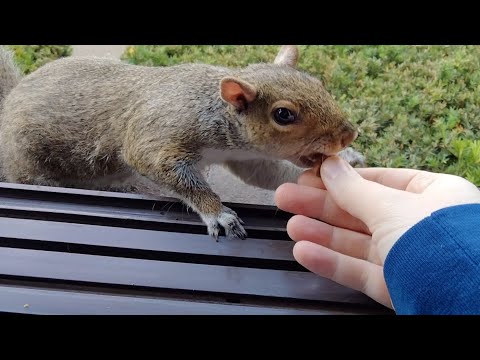
Stick to simple, natural foods in a tidy, sheltered spot and use feeders that keep things neat and keep other animals out.
Keep your feeding station clean, put it somewhere you can watch but not bother the squirrels, and make sure bird feeders and gardens are protected from curious visitors.
Choosing Squirrel Feeders and Feeding Stations
Pick a feeder that’s built for nuts and seeds—a heavy-duty squirrel feeder or a platform feeder with raised edges works well. Metal or thick plastic stands up to chewing.
Squirrels actually enjoy working for their food, so feeders that let them peel shells or move things around keep them active and less bored.
Try a table feeder or a ground feeding station if you want to feed a group. For just one or two squirrels, a tube feeder with a wide tray is usually enough.
Skip small plastic feeders—they break fast. Look for models labeled for “backyard wildlife” or ones that resist chewing.
If you’re hoping for certain species, remember that ground squirrels and flying squirrels like low platforms, while gray and red squirrels use higher-up feeders.
Use feeders with a roof or cover to keep food dry, and add drainage holes so seeds don’t get moldy.
Placement and Maintenance Tips
Mount feeders 6–8 feet from tree trunks to make climbing tougher, and keep them 10–12 feet from bird feeders to cut down on fights.
Put platforms at eye level for easy watching, or 2–3 feet off the ground if you’re feeding ground squirrels. If you want lots of visits, keep feeders near branches.
Empty and clean feeders every week or two. Scrub with hot water and a mild bleach mix (just a splash of bleach in a bucket of water), rinse well, and let them air dry.
Take out wet or moldy food right away. Don’t overfill—refill in small amounts so seeds stay fresh and don’t bring in rats.
Set out a small water dish in summer and change the water every day. If you spot aggressive or sick squirrels, stop feeding and call a local wildlife rehabber or animal control.
Protecting Bird Feeders and Managing Other Wildlife
If you want to feed birds without losing all the seed, try using a squirrel-proof bird feeder. Cage-style feeders or weight-activated feeders snap shut when a heavy squirrel lands—pretty clever, honestly.
Keep your bird feeders about 10–12 feet away from squirrel stations. That distance really helps cut down on the wildlife traffic between them.
Skip foods that bring in rats and raccoons. Bread, big piles of corn, and pet food just aren’t worth the hassle. Stick baffles on your poles or hangers to stop animals from climbing up.
If raccoons or bigger critters start causing trouble, move your squirrel feeding to a quieter spot. You could also try timed feeders that shut at night—those can make a real difference.
When squirrels go after your garden, give them something else to munch on. Toss some unsalted nuts in a feeder, and set up motion-activated sprinklers or mesh barriers around your plants.
Curious about feeder options or want more tips? Check out this guide to feeding squirrels in the backyard.


