
Ever wondered why chimps hug? Honestly, it’s not so different from why people do. Chimps hug for comfort, reassurance, and to show they care. When things get tense, chimps reach out with a hug to calm each other down or just to strengthen their close bonds.

Hugging lets chimps show trust, affection, and empathy. It’s a big deal for how they connect.
If a chimp feels scared or upset, another chimp’s hug gives support—kind of like that friend who knows just when you need a hug.
You might not expect it, but chimps hug to keep the peace after arguments or even to say thank you. Their hugs aren’t just for show; they really mean something.
These moments reveal how close and social chimps can be. Curious about how these smart animals use hugs in their world? Let’s dig in.
Reasons Chimps Hug

Chimps hug to show care, solve conflicts, and stick together. These actions keep the peace and help build strong bonds in their group.
Honestly, hugging is more than a cute gesture—it’s part of how chimps survive together.
Comfort and Emotional Support
When chimps feel stressed or sad, another chimp’s hug can calm them down. If one gets hurt or bullied, others step in with hugs and gentle touches.
That comfort drops stress and shows empathy.
Primatologists like Zanna Clay from Durham University have watched these hugs in action. They say hugs work as a comfort tool for chimps.
Chimps really care about each other’s feelings, kind of like we do. So, next time you need comfort, remember chimps rely on hugs too.
Conflict Resolution and Peace-Making
After fights or arguments, chimps hug to make peace. These hugs show forgiveness and stop more aggression.
Hugging helps them rebuild trust and avoid long-term issues in the group.
Chimps depend on peace to live together, so hugs matter for group harmony. Think of a chimp hug as their way of saying, “We’re good now.”
This helps keep their community safe and close-knit.
Reuniting After Separation
When chimps come back together after being apart, they hug to reconnect. This greeting hug says, “I still care.”
It also helps smooth out any tension from being away.
Reunion hugs matter because chimps live in tight groups where everyone counts. Their hugs show how much they value friendship and family.
You can see how one hug can bring back a close connection.
Social Bonding and Group Cohesion
Hugging helps chimps build strong social bonds. It encourages teamwork and sharing.
Chimps who hug more often tend to help each other and share what they have.
By promoting social bonding, hugs keep the chimp group stable and peaceful. It’s a big part of how they survive in the wild.
Honestly, small acts like hugs make friendships stronger, whether you’re a chimp or a human.
Want to see more about how chimps use hugs to calm each other? Check out Easenglish Academy.
Chimpanzee Hugging in the Context of Ape Communication
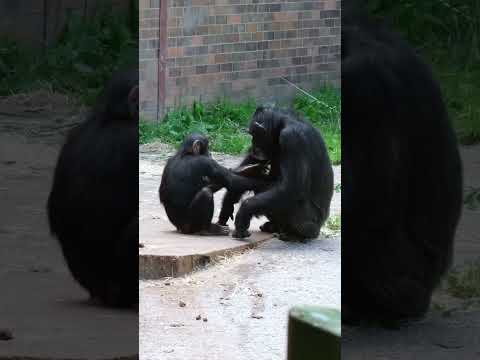
Hugging among chimps goes way beyond simple affection. It shapes how these apes connect and “talk” to each other.
You’ll spot hugs used to calm stress, offer support, and keep social bonds strong. These gestures let chimps share feelings without saying a word.
Hugging as a Gesture Among Great Apes
Chimp hugs are just one part of a larger set of ape gestures. You’ll see touches, hand signals, and all sorts of body movements.
A hug sends a friendly or comforting message. For instance, after a fight, a chimp might hug to lower tension.
That shows the hug is a calming tool, not just a random move.
Other great apes—like bonobos, gorillas, and orangutans—hug too, but their reasons can change. Bonobos hug a lot to keep the peace and build bonds.
Gorillas might hug less, using chest-beating or other gestures instead. Hugging is just one way apes communicate through actions, not words.
Comparison with Other Primates and Monkeys
Monkeys, like spider monkeys, hug as well, but usually for social bonding or play. Their hugs don’t often calm stress or settle fights.
Great apes, on the other hand, show more complex hugging because their social lives are complicated.
Jane Goodall’s research in Tanzania helped us see how chimp hugs fit into a rich system of communication. Their gestures connect directly to emotions and intentions.
So, when you see a chimp hug, it’s often about much more than just being friendly or playful. There’s usually a deeper meaning behind it.
Role of Hugging in Grooming and Daily Life
Chimpanzees hug each other during grooming or right after something stressful happens. Grooming builds trust and friendships. A hug, honestly, just takes that bond up a notch.
You’ll often see hugs after grooming sessions. It really seems to make their connection feel stronger.
When one chimpanzee gets upset, another might step in with a hug to comfort them. They don’t just do this for show—it genuinely helps lower stress.
In their daily lives, chimps use hugs to handle their relationships. It’s part of how they keep the group close and, for the most part, peaceful.
This hugging fits into a bigger picture of ape communication. Chimps rely on gestures like these to share feelings and needs, which is honestly pretty fascinating.
Learn more about how chimpanzees use hugs and other gestures in ape communication at Scientific American’s article on surprising chimpanzee signals.


