
Ever wondered if a chimpanzee could actually outsmart a human? Chimps are clever, no doubt about it, and they’ve got some skills that might surprise you. But overall, humans just have brains wired for more complex thinking, planning, and language—so we take the crown there.
Still, chimps pull off some wild feats that might make you do a double take.

Chimps crush certain memory games and handle simple tools with ease, sometimes even beating adults in specific tests.
Their smarts work differently than yours—their focus is on the here and now, practical stuff, not daydreaming or deep philosophy.
Curious about where chimps shine and where humans dominate? Let’s dig into some surprising facts about how these two species stack up when it comes to brains and skills.
Chimps vs. Humans: Intelligence Face-Off
Most people assume humans always win the intelligence game, but chimps can match or even outdo us in a few areas.
They flex their memory muscles and shine in certain brain games. The way chimps and humans tackle problems really highlights the differences in how we think.
Brain Game Comparisons
Put chimps and humans head-to-head in brain games, and you might be surprised at the results.
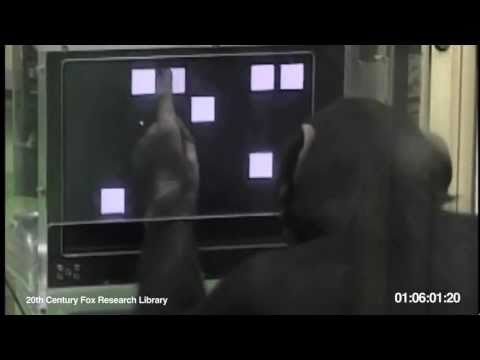
Chimps can absolutely crush quick-memory tasks, especially if you only give them a second or two. Ayumu, a famous chimp, remembers number sequences flashed for just a split second—better than most adults, honestly.
Humans, on the other hand, hold the upper hand in planning and abstract thinking. Our brains help us juggle a bunch of steps and tackle new problems. But in those rapid-fire tasks, chimps show off some seriously fast processing.
Memory Strengths in Chimps
Chimps have wild short-term memory, especially when it comes to visual stuff. They can spot numbers or images shown for a blink and remember them with crazy accuracy.
Ayumu’s trick of nailing nine numbers at once? Most humans can’t touch that, not even the memory champs.
This talent helps them survive in the wild, where they need to remember where food or danger pops up fast. Humans struggle with random, speedy info like that, but chimps just seem to get it. Their brains are built for that sort of thing.
Problem-Solving Differences
You probably use logic, language, and tools to solve problems, often thinking a few steps ahead. Chimps solve problems too, but they usually focus on one thing at a time, relying on hands-on methods like tool use or trial and error.
Humans think more abstractly, coming up with solutions that don’t even exist yet. Chimps stick to what they can see or learn right in front of them. Both species can solve puzzles, but your approach leans on creativity, while chimps adapt their actions to the moment.
Limits and Contexts of Chimpanzee Intelligence

Chimpanzee intelligence impresses in some areas, yet hits a wall in others.
They’re great with concrete, clear tasks but struggle with abstract or flexible thinking. Seeing where they excel (and where they don’t) puts their smarts into perspective.
Task-Specific Cognitive Abilities
Chimps show off in memory games and with tools. They can recall short sequences or spot patterns at lightning speed. You’ll see them using sticks or leaves to grab food—a real sign of practical problem-solving.
Their abilities usually stay focused on the task right in front of them. When the problem gets complex or abstract, their skills drop off. Smaller brains and fewer neurons give humans a real boost in planning and creative thinking.
Key points about chimp task skills:
- Fast visual memory
- Basic tool use for food
- Limited abstract reasoning
Human Child vs. Chimpanzee Performance
Put young kids up against chimps, and children usually win when it comes to flexibility and picking up new stuff.
By age five, kids switch between tasks with ease. They learn language and use symbols in ways chimps just can’t.
Chimps might edge out kids in quick memory games early on, but children catch up fast. Their brains adapt and grow with experience, helping them handle new rules and ideas. Chimps mostly stick to what they already know.
| Ability | Young Child | Chimpanzee |
|---|---|---|
| Memory recall | Good but slower | Excellent in bursts |
| Language use | Complex, symbolic | Very limited |
| Flexibility in learning | High | Low |
Influence of Environment and Learning
Your environment shapes how you think, and honestly, it affects intelligence a lot. People grow up surrounded by language, culture, and all sorts of tools that really boost mental skills.
This kind of rich experience lets you pick up things quickly and come up with new solutions. It’s almost like the world itself is nudging you to be smarter.
Chimpanzees learn through social interaction too, and they’ve got their own kind of culture. But it’s mostly about survival—like figuring out how to find food.
Their learning feels a bit more rigid. Humans keep inventing and tweaking tools, while chimps usually just use what they have for immediate needs.
Your brain’s plasticity—the way it can shift and adapt with new experiences—runs deeper than what chimps have. This flexibility helps you move way beyond pure instinct or whatever you’re born knowing.
If you’re curious, you can dig deeper into these differences by reading about chimpanzee cognitive limits and learning styles.


