
Ever wondered if chimpanzees think the way humans do? Sure, chimps don’t have language or build gadgets like we do, but they actually share a bunch of mental skills with us—problem-solving, memory, and even learning from each other. Their minds are more complicated than you might guess.

Chimpanzees use tools, show emotions, and pass on knowledge between groups. That helps them come up with new ways to survive. Their thinking mixes instincts with learned behaviors, pretty much like how people grow and adapt over time.
When you look at these similarities, it’s hard not to notice how closely we’re linked to our wild cousins. It also highlights what makes human thinking stand out.
Key Similarities Between Chimpanzee and Human Thinking
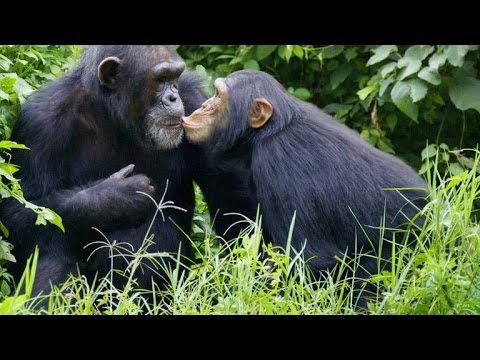
It’s honestly surprising how much chimpanzee minds can resemble ours. From knowing themselves to understanding others, chimps show clever thinking that helps them get by.
Self-Awareness and Agency
Chimpanzees recognize themselves in mirrors, which means they get that the reflection is actually them. Mirror self-recognition is rare among animals.
When you look in a mirror, you see yourself. Chimps do that too, which shows a basic kind of self-awareness.
They also know their actions have outcomes. When chimps use tools or tackle puzzles, they change what they do to get better results.
Scientists at places like the Yerkes National Primate Center have watched chimps plan and control their actions just to solve problems. It’s clear they know they can make things happen by choosing what they do.
Personality Traits and Emotional Intelligence
Chimps have their own personalities, just like people. Some are bold, some are shy, and some are just plain curious.
They show emotions like empathy. You might spot a chimp comforting a friend or helping an injured buddy, which tells you they care about social bonds.
Human emotional skills go deeper, though. People feel things like pride or guilt and manage their feelings in pretty complicated ways.
Still, chimps’ emotions play a big part in helping them live together in groups. Their social ties are strong, even if they don’t use language the way we do.
Theory of Mind in Apes
Chimpanzees can guess what others are thinking or feeling. That’s called theory of mind.
For example, chimps might hide food or trick others to keep snacks safe. They seem to get what another chimp knows or sees.
They use this skill in social situations, deciding when to share or play it safe. In experiments, chimps figure out what others can see or know, which guides their choices.
These abilities help them cooperate or compete, showing a level of social thinking that’s surprisingly close to yours.
How Chimpanzee Cognition Differs From Humans

Chimpanzees show a lot of smart behaviors, but their minds work differently from ours in some important ways. Their learning, memory, and how they stack up to other apes show both strengths and surprising limits.
Learning, Teaching, and Communication
Chimps mostly learn by watching others. They copy actions and sometimes even improve on tool use, but they rarely teach the way humans do.
Teaching in chimps is pretty simple—maybe showing a specific tool use, but not really explaining or demonstrating in detail.
Their communication focuses on what’s happening right now. You’ll see them use gestures, facial expressions, and sounds to share feelings like hunger, fear, or excitement.
But they don’t use language, and they’re not great at sharing abstract ideas.
Working Memory and Problem Solving
Chimps have fantastic visual memory. In short-term tasks, they often remember object locations better than humans can.
But when it comes to solving new or tricky problems, humans usually win out. Our bigger neocortex helps us plan and use symbols, while chimps rely more on trial and error.
They can plan simple actions, but they don’t really show the same depth of future thinking or abstract reasoning.
Comparisons With Bonobos and Other Apes
Bonobos are pretty close relatives of chimpanzees. They actually share a lot of the same cognitive traits.
Both bonobos and chimps show strong social learning and emotional intelligence. Still, bonobos usually act more peacefully and seem to use their social bonds in their own way.
If you look at chimpanzees and bonobos next to other primates—like gorillas or orangutans—you’ll notice something interesting. Chimps and bonobos tend to have more advanced social cognition.
They understand others’ intentions and emotions better, which really shapes the way they interact in their groups. That’s not something you see as much in gorillas or orangutans.
For more on this, you might want to check out research on chimpanzee cognition and the roots of the human mind.


