
Ever wondered if a chimpanzee can really make it to 50 years old? Honestly, yes—they can. In the wild, chimps often reach 40 or 50, but when people care for them in captivity, they sometimes go well past that mark.

The environment shapes a chimpanzee’s lifespan in a big way. Captivity gives them steady food, medical care, and keeps them safe from dangers that wild chimps deal with every day.
If you’re curious about what helps some chimps outlive others, there’s a lot to learn. It’s honestly pretty fascinating to see how their lives can turn out so differently.
Can Chimpanzees Live for 50 Years?
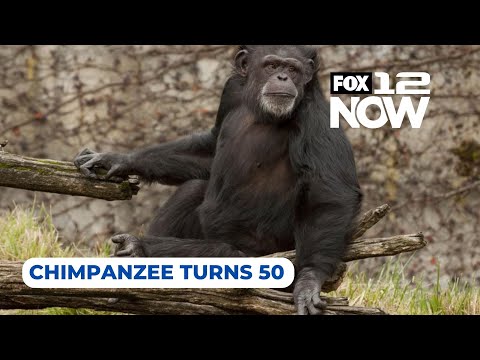
Chimpanzees don’t all live the same number of years. Where they live and the care they get changes everything.
In the wild, they usually don’t make it as long because of disease and predators. But with good care in captivity, chimps often live much longer—sometimes well over 50.
Typical Lifespan in the Wild
Wild chimpanzees usually live between 30 and 40 years. Life out there is tough, with illness, injuries, and predators like leopards being constant threats.
Young chimps face even more risk, especially from predators or accidents during fights. Disease takes a toll too.
Outbreaks like Ebola have wiped out many wild populations. Food shortages, especially in dry seasons, make things worse because fruits and leaves get scarce.
A few wild chimps do reach their 50s, but that’s pretty rare. Most don’t get that far because of all these dangers.
Longevity in Captivity
Zoos and sanctuaries give chimpanzees regular food and medical care. These safe places protect them from a lot of the risks they’d face in the wild.
Because of this, captive chimps often live between 50 and 60 years. Vets help them out with vaccinations and treat infections or injuries right away.
This kind of care keeps them healthier for longer. But captivity isn’t perfect.
Some chimps get bored or stressed if they don’t have enough to do. Modern sanctuaries try to keep them active and social, which definitely helps them stay healthier.
Record-Breaking Ages
Some chimps have smashed the usual age limits. For instance, a female named Cheetah made it to 82 in a sanctuary.
These stories show that with the right environment, chimps can reach their 70s or even 80s. Places that give them lots of social time and good health care seem to help the most.
But let’s be real—these ages are rare. Wild chimps almost never reach these numbers because life out there is just so much harder.
If you want more info on chimpanzee lifespan, check out this chimpanzee lifespan overview.
Factors That Influence Chimpanzee Longevity

A lot of things can change how long chimps live. Where they grow up, what kind of health care they get, and even their early years matter.
Some chimps just get luckier with their environment or care. How they start out as babies can really shape their chances, too.
Differences Between Wild and Captive Environments
Chimps in captivity usually outlive their wild cousins, but it’s not always by a huge margin. In the wild, predators, injuries, and food shortages make life short for many.
Wild chimps often reach 40 to 50 years, but lots don’t make it that far. Captive chimps get steady meals, vet care, and don’t have to worry about predators.
This helps them live past 50 pretty often. Still, life in captivity isn’t perfect.
Limited space and not enough mental stimulation can cause other health problems. So, while living longer is common in captivity, the quality of care really matters.
Role of Health, Disease, and Care
Good health care can add years to a chimp’s life. In captivity, vets check them regularly and treat any illnesses quickly.
They catch problems like infections, dental issues, and arthritis early. In the wild, chimps don’t get this kind of help—diseases and injuries often go untreated.
Better nutrition and cleaner living spaces in captivity lower the risk of disease. Still, some illnesses can sneak through, so ongoing care is always important.
Impact of Early Life and Baby Chimpanzee Development
The first years of a chimpanzee’s life really matter. Baby chimps start out so fragile, facing big risks right after birth.
If they make it past that tough stage, their odds of living longer go way up. Good care early on—whether it comes from their mother or human caretakers—makes a huge difference.
In captivity, people often step in to help with warmth, feeding, or medical care. That kind of support can actually lower the chances of babies not making it.
When baby chimps get the nutrition, social bonds, and safety they need, you can almost see the impact on their future. Those first years truly shape how long they’ll live.


