
Ever wondered if chimpanzees actually eat gorillas? It sounds pretty wild, right? After all, they both hang out in the same forests and share some close family ties.
To be honest, chimpanzees almost never eat gorillas, especially not the adults. There have been a few rare moments where chimps attacked or even killed young gorillas, but honestly, that’s not something you see often in their diet.

Chimps usually munch on fruits, leaves, insects, and sometimes small animals. Gorillas, on the other hand, really just stick to plants.
Since their eating habits are so different, they don’t usually look at each other as food. Sometimes, these two big apes share the same space without any drama, but other times, things get tense.
If you’re curious about why attacks even happen, what chimps normally eat, or how gorillas and chimps manage to live so close, you’re not alone. The wild is full of weird mixes of peace and conflict.
You can check out more details about chimpanzees eating gorillas in this explanation.
Documented Incidents of Chimpanzees Attacking Gorillas

Scientists have mostly watched chimpanzees and gorillas living side by side without much trouble. But more recently, researchers started seeing chimps act aggressively toward gorillas.
These clashes usually happen when food gets scarce or during tense patrols. Chimps tend to attack in groups, and they mostly target younger gorillas.
First Observed Cases in the Wild
Scientists first saw chimps attack gorillas directly in Gabon’s Loango National Park. From 2014 to 2018, the two species met peacefully most of the time.
But in 2019, things changed. Researchers witnessed two deadly attacks by chimps on gorilla groups.
Both attacks happened near the chimps’ territorial boundaries. This marked the first time anyone recorded lethal interactions between chimps and gorillas in the wild.
It’s a big deal for anyone interested in primate behavior. If you want to dig into the details, here’s the Science Bulletin article.
Details of Lethal Encounters
In each attack, big groups of chimps—27 in total—went after gorilla groups of 5 and 7. The gorilla groups included infants and a silverback.
The fights dragged on for almost an hour. Chimps didn’t just use force; they also put on some pretty aggressive displays.
Adult male chimps led the charge, working together much like they do when defending their own turf. One attack took place right after a territorial patrol, which makes you wonder if chimps see gorillas as threats during those times.
The injuries were brutal. In each event, at least one infant gorilla died.
If you’re into the nitty-gritty, including which chimps joined the attacks, check out this scientific article.
Targeting Gorilla Infants
Both attacks ended with infant gorillas as victims. Baby gorillas just can’t defend themselves against a group of chimps.
In one case, after the infant died, an adult female chimp ate the whole carcass. Strangely, in the first attack, nobody ate the infant.
These events make it seem like chimps kill gorilla infants partly because of competition or territory. Sometimes, they might just be after food, but honestly, this isn’t normal chimp behavior.
If you want to read more about this, Know Animals has a good summary.
Exploring the Reasons Behind Chimpanzee-Gorilla Conflict
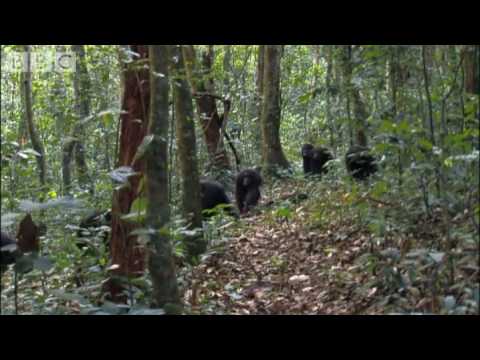
So, why do chimps and gorillas sometimes go at it, even though they’re neighbors? Most of these fights come down to competition for food and space.
If you look closer, it starts to make sense why these two apes sometimes clash.
Food Competition and Dietary Overlap
Chimps and gorillas both eat fruit, leaves, and other plants. Their diets overlap a lot.
When fruit and other goodies get scarce, they end up fighting over the same trees or feeding areas. This gets worse during dry seasons or in smaller forests where everything’s already limited.
Chimps do hunt small animals sometimes, and that includes young gorillas on rare occasions. But when they attack, food isn’t always the only thing on their minds.
Killing a gorilla infant can give the group a meal, especially if they eat the carcass. Still, most of the time, chimps seem more interested in protecting or expanding their access to fruit and plants.
Food needs can push them to get aggressive, but honestly, it’s not the norm.
Territorial Behavior and Social Dynamics
Chimpanzees act pretty territorial. They patrol their borders and sometimes go after other chimp groups or even nearby species. If chimpanzees wander into gorilla areas, fights can break out over territory or resources.
Gorillas stick together in family groups, usually with a silverback leading the way. Their home ranges often overlap more than chimpanzee territories. But when chimpanzees intrude, silverbacks step up to protect their families.
Sometimes, adult male chimpanzees take charge during patrols and lead attacks. They rely on close social bonds and teamwork to overpower gorillas, especially if they have the numbers. It’s complicated—these social dynamics really set the stage for clashes between the two species.
For more details on lethal coalition attacks by chimpanzees against gorillas, you can read this article on chimpanzee-gorilla interactions.


