
Bees often fly towards you because something about you catches their attention. Maybe you’re wearing a sweet-smelling perfume, sipping a sugary drink, or just sweating a bit—bees love those scents and even the salt in your sweat.
You might not notice, but bees get curious about all sorts of things as they search for food or water. That curiosity can make you the center of their attention for a moment.

Sometimes, bees fly close because they want to check if you’re a threat to their hive. They don’t usually mean any harm unless they get scared.
If you understand why bees act this way, it’s easier to stay calm around them. That helps you stay safe and keeps the bees happy, too.
Learning about their behavior can make being outside a little less stressful. You might even find yourself appreciating these tiny pollinators a bit more.
Why Do Bees Fly Towards You?

Bees fly toward people for a bunch of reasons, mostly because of their instincts. They notice smells, colors, and sometimes just get curious.
Sometimes, they’re just on guard duty, too. If they think you’re near their hive, they’ll come over to check you out.
Attraction to Scents and Colors
Honeybees and bumblebees pick up on strong scents from your skin or clothes. Perfume, deodorant, and even your sweat can draw them in.
Bees rely on their sense of smell to find flowers. Sometimes, human scents throw them off.
Colors matter, too. If you wear bright or floral clothes, bees might think you’re a flower.
They’ll fly closer to see if you’ve got nectar or pollen. If you stick to plain or muted colors, you’ll probably notice fewer bees around you.
Exploratory and Curious Behavior
Bees like to explore. If one flies toward you, it’s probably just checking things out.
They use their antennae and eyes to study new things, and that includes people.
Most of the time, their curiosity is harmless. They just want to see if you’re a food source.
Bees usually don’t sting unless they feel threatened. If you stay calm and still, they tend to lose interest pretty fast.
Mistaking People for Flowers
Some bees confuse people for flowers because of our scents or the warmth of our skin.
Your sweat has salts and minerals that attract certain bees. When they buzz around you, they might be after those minerals, not nectar.
Hot days or post-workout sweat ups the odds. Bees also like moisture, so they’ll come closer if you’re sweaty.
If you want to avoid this, try washing off strong scents and wearing breathable clothes.
Guarding the Hive and Defensive Actions
When you get close to a hive, guard bees will fly over to keep an eye on you. They stay alert and might follow you for a bit.
They’ll buzz near your face or circle your head to warn you off. If that happens, move away slowly—don’t make any sudden moves.
Guard bees don’t sting right away. They give you a few warnings first.
If you crush a bee, it releases a scent that calls others to help defend the hive. Staying calm and letting them fly off is usually best.
Want to dig deeper? Check out Why Do Bees Fly Towards You?
How to Prevent Bees from Following You
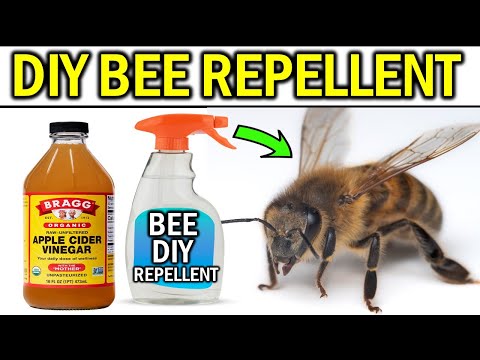
If you want to keep bees from buzzing around you, pay attention to what you wear, what you eat outside, and how you act when a bee comes close.
Spotting different insects helps, too. Not every flying thing is a bee, after all.
Choosing Clothing and Scents
Bees love bright colors and strong smells. If you wear dull, light colors—think beige or white—they might not notice you as much.
Avoid floral prints and bold colors like yellow or red. To a bee, those look just like flowers.
Skip scented lotions, perfumes, or deodorants with sweet or floral smells. Even some shampoos and soaps can attract bees if they smell strong.
Lightweight clothes can help, too. If you stay cool and dry, bees won’t be as interested in your sweat.
Handling Food and Drinks Outdoors
Bees go after sweet foods and drinks. If you’re outside, cover your sugary drinks and don’t leave food out.
Keep trash cans closed tight. That keeps bees, wasps, and hornets from gathering nearby.
If you’re eating fruit or anything sweet, clean up spills and crumbs right away. That way, bees and sweat bees won’t be drawn to your picnic spot.
Avoiding Aggressive Responses
If a bee gets close, try not to swat or wave your arms. Bees see that as a threat and might get defensive.
Stay calm and move away slowly. Running or flapping your arms just makes bees more likely to follow you.
If you do get stung, take the stinger out quickly and clean the spot. Try not to panic—getting worked up can attract even more bees or other stinging insects.
Identifying Bees vs. Wasps
Not every buzzing insect you spot is actually a bee.
Wasps, yellowjackets, and hornets might look a lot like bees at first glance, but they act pretty differently.
Bees tend to look fuzzy and usually aren’t aggressive. You’ll notice wasps and hornets have shiny, smooth bodies, and honestly, they can get a little feisty—especially if there’s food around.
If you can tell them apart, you’ll know how to react. See a wasp or hornet? It’s probably best to back away, and maybe skip the bright clothes or perfumes that draw them in.
That way, you’re much less likely to get stung and can actually enjoy being outside.
Want more tips for dealing with bees and their stinging cousins? Check out How To Stop Bees From Following You.


