
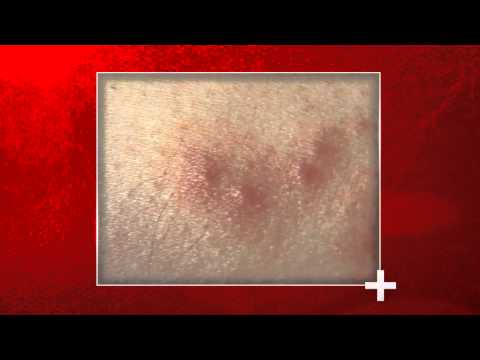
Ever wake up with itchy, red bites and wonder if bed bugs are to blame? You’re definitely not the only one. Bed bug bites usually look like small, raised, red bumps—often grouped in a line or cluster—with a red dot right in the center. They itch like crazy, and sometimes they don’t even show up until hours or days later.

Telling bed bug bites apart from mosquito or flea bites can be a pain. Check the pattern, size, and how the bites actually feel. These details can point you in the right direction.
If you know what to look for, you can act fast and protect your home. Let’s get into how you can spot these bites—and what to do if you find them.
Recognizing Bed Bug Bites
Spotting bed bug bites early can help you handle the problem before it gets worse. These bites have a certain look, cause specific symptoms, and usually show up on particular parts of your body.
Typical Appearance and Pattern
Bed bug bites show up as small, red, raised bumps that itch a lot. You’ll usually see them in groups—sometimes three or more.
You might notice the bites forming a straight line or a zigzag. If you see clusters instead of random spots, that’s a clue.
Swelling can happen around the bite, but you rarely see severe redness or blisters. Sometimes, you’ll spot tiny dark dots nearby—those are actually bed bug droppings, which is a pretty gross but helpful sign.
Symptoms and Skin Reactions
Itching is the main thing people notice. Sometimes it’s bad enough to keep you up at night.
Some folks get redness and swelling almost right away, while others don’t react for a couple of days. If you scratch a lot, you could get a skin infection.
If your bites hurt, blister, or look infected, you should talk to a doctor. Burning or a rash around the bite isn’t super common, but it does happen.
People with allergies might see bigger reactions, and the bites can stick around longer.
Body Areas Commonly Affected
Bed bugs go for skin that’s exposed while you sleep. They seem to love faces, necks, arms, and hands.
You might also find bites on your chest or back. Clothes or tight blankets usually keep them away from covered areas.
If you spot bites on places that are always covered up at night, it might be something other than bed bugs. After waking up with itchy spots, check these areas carefully.
You can get more info and see photos at this bed bug bite identification guide.
Distinguishing Bed Bug Bites from Other Insect Bites

Figuring out if bed bugs or some other bug bit you can make a big difference in how you treat it. Look at the pattern, what the bites look like, and when they show up.
These details can help you tell the difference.
Comparing to Mosquito Bites
Mosquito bites usually pop up as single, round, puffy red bumps. They itch but tend to go away fast—sometimes in a day or two.
Mosquitoes bite exposed skin during the day or early evening. Bed bug bites, though, show up in clusters or lines—sometimes several in a row.
Bed bugs bite at night, usually when you’re asleep. Their bites itch for longer and can swell more than mosquito bites.
If you wake up with grouped bites, bed bugs are more likely than mosquitoes. Mosquitoes also don’t leave dark spots or blood stains on sheets like bed bugs do.
You can check out more info at Bed Bug Bites vs. Mosquito Bites.
Comparing to Flea Bites
Flea bites are tiny, red, and usually show up on your lower legs and ankles. They look like little dots with a red center.
Flea bites itch a lot and can spread if you scratch. Bed bug bites might look similar, but they show up higher on your body and usually in groups.
Fleas move around and bite quickly, but bed bugs stick close to where you sleep and bite a few times in one spot. If your bites are mostly around your feet and seem to move, you probably have fleas.
If the bites are in lines on your torso or arms and you see stains on your bed, it’s probably bed bugs. You can see pictures and more info at Bedbug Bites vs. Flea Bites.
Comparing to Spider Bites
Spider bites usually happen one at a time. They hurt more than bed bug bites and often swell up, sometimes feeling sore or even burning.
Some spider bites can cause blisters or leave small wounds. Bed bug bites, on the other hand, don’t hurt as much but wow, do they itch.
You’ll often notice several bed bug bites close together since bed bugs tend to bite multiple times. Spider bites generally show up alone—unless, for some reason, you’re hanging out with spiders a lot.
If you see a bite that’s painful, large, or blistering, you’re probably dealing with a spider bite, not a bed bug. Bed bugs bite at night and leave behind lots of small, itchy marks, while spider bites just sort of happen out of nowhere and hurt more.
Curious about the differences? Check out Spider vs. Bed Bug Bites.


