
Ever had a bee chase you? It’s honestly a bit unnerving. Bees don’t just go after people for no reason—they’re usually trying to protect themselves or their hive when they do. If you know why bees act this way, it’s a lot easier to stay calm and figure out your next move.

Bees get interested—or defensive—when they notice certain smells, fast movements, or bright colors. Some bees, like Africanized honey bees, are just naturally more aggressive than others, and they’ll chase you much farther. Knowing what sets bees off can really help you avoid trouble.
Let’s talk about why bees chase people and a few ways you can keep things chill. You’ll pick up on bee signals and find out what to do if one decides to follow you.
Why Do Bees Chase You?

Bees usually chase people when they feel threatened or want to guard their hive. They aren’t just out to get you for fun. The way you move, what you’re wearing, and even the chemicals bees let off can all play a part in why they follow or chase you.
Bee Defensive Behavior and Triggers
Bees get defensive and might chase or sting if they think you’re a threat to them or their hive. If you wander too close, guard bees will come out to warn you off.
They’ll sometimes fly after you just to make sure you don’t get any closer. Most bees only sting as a last resort, but if you swat at them, they’ll see it as an attack and come after you even more.
Bees don’t go around looking for someone to sting, but they’ll definitely stand their ground if they feel like they have to.
Role of Alarm Pheromones in Chasing
When a bee feels under attack, it releases an alarm pheromone. This chemical acts like an alert for other bees nearby, telling them to get ready to defend the hive.
Those pheromones can make bees much more aggressive, and they spread fast. It’s kind of wild how one little action can end up with a swarm chasing you.
Influence of Movement and Bright Colors
Bees notice movement right away. If you run or wave your arms, you’ll just draw more attention and might keep them following you longer.
Wearing bright or flowery colors can also attract bees, since you basically look like a giant flower to them. If you smell sweet or wear perfume, they might come closer, thinking you’ve got nectar.
Common Scenarios Where Bees Pursue Humans
Bees often go after people who get too close to their hive or accidentally step on them. If you run away quickly, they might chase you just to make sure you’re not coming back.
Bright clothes or sweet-smelling things can keep bees interested, especially during picnics or outdoor events near flowers. It helps to know this so you can avoid getting chased in the first place.
Want to dig deeper? Here’s more on why bees chase you.
Which Bees Are Most Likely to Chase Humans?
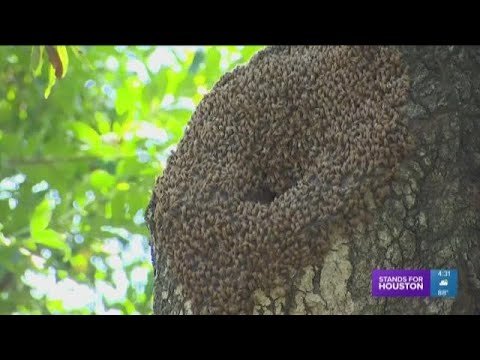
Some bees just have a bigger attitude than others. How likely they are to chase you depends on their temper and how much they want to protect their home.
Certain bees will defend a larger space, and they react faster if they feel you’re a threat.
Africanized Honey Bees vs. European Honey Bees
Africanized honey bees, for example, are way more aggressive than European honey bees. If they think you’re a problem, they’ll chase you for a long distance—sometimes even a quarter mile or more.
They attack in big groups and keep stinging until they think you’re gone. European honey bees, on the other hand, are much calmer.
They’ll usually only come after you if you get right up to their hive. They don’t chase you far, and they defend a smaller area.
If you ever get chased by a swarm that just won’t quit, it’s probably Africanized honey bees. Wearing protective gear really helps if you’re anywhere near them. For more info on their habits, check out this bee safety information.
Other Bee Species and Look-Alikes: Wasps and Hornets
Sometimes, it’s not even a bee chasing you—it might be a wasp or a hornet. Wasps and hornets can be more aggressive than most bees.
Bumble bees might hover around you but usually don’t chase far. Sweat bees sometimes land on people for salty sweat, but they’re not really out to attack.
Wasps and hornets, though, will chase and sting to defend their nests. They don’t make honey, but they sure protect their territory. If you can tell the difference, it’s easier to stay calm and avoid getting stung.
If you want to know more about these insects, check out this bee and pest guide.
Factors That Increase Aggression Across Bee Species
Plenty of things can make bees more likely to chase you, no matter which species you’re dealing with.
Strong scents—like perfume, sweat, or even certain foods—can really irritate bees and might cause them to follow you.
Bees get especially protective if you disturb their colony.
If you make loud noises, move quickly, or step too close to their hive, you can trigger their defense response.
Sometimes, the weather just doesn’t help. Heat and humidity often ramp up bee activity and make them more aggressive.
A few triggers you’ll want to avoid:
- Wearing bright or floral patterns
- Using scented lotions or shampoos
- Moving too quickly near nests
- Accidentally disturbing bee colonies
If you know what sets bees off, you’ve got a much better shot at avoiding a chase. Want to dig deeper into why bees get aggressive? Check out this honey bee aggression analysis.


