
It can be concerning when you notice your Beagle’s back legs giving out or becoming weak. This issue can happen for various reasons that may range from minor problems to more serious health concerns.
Common causes for this weakness include joint issues, neurological conditions, or even intervertebral disc disease.
As a Beagle owner, understanding the signs and causes behind this situation is essential for your furry friend’s well-being. Early detection and appropriate care can make a big difference in their health and comfort.
In this article, you’ll learn about the key reasons why your Beagle’s back legs may give out and what you can do to help. Knowing these factors can empower you to take the right steps and seek help from a vet when needed.
Understanding Canine Hind Leg Weakness in Beagles

When your Beagle’s back legs give out, it can be concerning. There are several reasons this might happen.
Hip Dysplasia: This is a common issue in Beagles. It occurs when the hip joint doesn’t fit properly into the hip socket. This can cause pain and weakness in the back legs.
Degenerative Myelopathy: This disease affects the spinal cord and leads to progressive weakness in the hind legs. It often starts with a slight dragging of the back feet.
Nerve Damage: Injuries or conditions affecting the nerves can lead to weakness. If the nerves aren’t communicating well with the legs, your Beagle might struggle to stand or walk.
Fibrocartilaginous Embolism (FCE): This is a sudden event that can cause back leg weakness. It happens when blood flow to the spine is blocked, leading to paralysis in some cases.
Spinal Tumors: Any growth in the spine can affect how your Beagle moves. Tumors can press on nerves or the spinal cord, resulting in weakness or pain.
Recognizing the signs early can help you get the right care. If you notice persistent weakness or any other symptoms, consult your veterinarian for guidance. Your Beagle relies on you for their health and happiness.
Common Conditions Affecting Beagle Back Legs
Beagles can face several issues that lead to problems in their back legs. Understanding these conditions helps in recognizing symptoms and deciding on treatments for your furry friend.
Hip Dysplasia and Its Impact
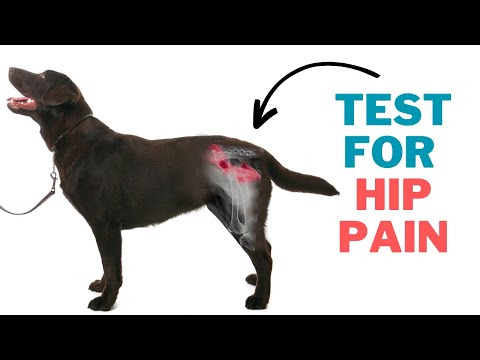
Hip dysplasia is a common issue in Beagles where the hip joint doesn’t fit properly into the hip socket. This malformation can lead to arthritis and pain over time. If your Beagle shows signs of discomfort while standing or walking, it might be a symptom of this condition.
Symptoms include limping, difficulty rising, or a reluctance to exercise. Vets usually diagnose hip dysplasia through X-rays. Treatment options vary. In mild cases, anti-inflammatory medications and weight management may help. In severe cases, surgery might be necessary for long-term relief.
Degenerative Myelopathy Progression
Degenerative myelopathy is a progressive disease affecting the spinal cord. It weakens the back legs, usually starting with wobbliness. As the disease advances, your Beagle may lose coordination and strength in the legs.
Look for signs such as dragging back feet or trouble standing. There is no cure, but physical therapy can improve quality of life. Supportive devices like harnesses can help your Beagle walk better as the condition worsens.
Signs and Treatments of Intervertebral Disc Disease (IVDD)
Intervertebral disc disease occurs when the discs between vertebrae deteriorate or herniate. This condition can put pressure on the spinal cord, leading to pain and mobility issues.
Common symptoms include sudden back pain, reluctance to jump, and even paralysis in severe cases. Your vet might recommend X-rays and MRIs for accurate diagnosis. Treatment often involves medication for pain relief and anti-inflammatories. In some cases, surgery is needed to alleviate pressure.
Other Conditions Leading to Back Leg Problems
Several other issues can affect your Beagle’s back legs. Arthritis is a common cause, as it leads to inflammation and pain in the joints. Sprains and ligament injuries, like cruciate ligament injuries, can occur during active play.
Signs of these injuries may include limping or reluctance to use the affected leg. Treatment often involves rest, medication, and sometimes physical therapy. If you suspect an injury, consult your vet for a thorough evaluation and treatment plan.
Keeping an eye on your Beagle’s mobility can help address these conditions early and improve their overall well-being.
Management and Supportive Care for Beagles

Taking care of a Beagle with back leg issues is vital for their health and happiness. You can help improve their quality of life through proper care and support options. Here’s what you need to know.
Importance of Veterinary Care and Diagnosis
Regular veterinary visits are crucial for identifying the cause of your Beagle’s leg problems. A vet can perform tests like X-rays or blood tests to diagnose the issue accurately.
The sooner you understand what’s wrong, the better you can manage it. Veterinary care helps prevent further issues and keeps your Beagle comfortable. Always seek professional help if your dog shows any signs of pain or weakness in the legs.
Therapeutic Options and Rehabilitation
Physical therapy can play a significant role in your dog’s recovery. Techniques like massage can relieve pain and improve circulation. Gentle exercises tailored to your Beagle’s condition can help strengthen their legs.
Acupuncture may also provide relief and promote healing. Discuss with your vet to create a suitable workout plan. Regular therapy sessions can significantly enhance your Beagle’s mobility and overall quality of life.
Assistive Devices and Mobility Aids
Sometimes, assistive devices are necessary to support your Beagle’s mobility. Braces can provide stability and help alleviate pain in the joints. These devices can be custom-fitted to ensure the best fit and support.
In more severe cases, consider using a wheelchair. This can give your Beagle the freedom to move around comfortably. With the right aids, you can make daily activities easier for your furry friend.
Preventive Measures and Lifestyle Modifications

Keeping your beagle healthy and active involves several important lifestyle changes. By focusing on proper nutrition, weight management, and regular exercise, you can help support your beagle’s overall well-being and reduce the risk of back leg issues.
Optimizing Diet and Nutrition
Proper nutrition is essential for maintaining your beagle’s health. A balanced diet rich in protein, healthy fats, and carbohydrates provides the energy needed for daily activities. Look for high-quality dog food that includes real meat as the first ingredient.
Consider adding supplements like glucosamine. This can support joint health and mobility, especially in older dogs. Always consult your vet before introducing new foods or supplements to ensure they fit your dog’s needs.
Provide fresh water daily to keep your beagle hydrated. Avoid giving your dog table scraps or high-fat treats, as these can lead to obesity.
Weight Management Strategies
Weight management is crucial to prevent stress on your beagle’s joints and spine. Monitor your dog’s body condition regularly. You should be able to feel their ribs without excess fat covering.
Use measuring cups to control portion sizes. This helps avoid overfeeding and excess weight gain.
If your beagle is overweight, consider switching to a weight-management formula. You can also include lower-calorie treats like carrots or green beans.
For a fun challenge, incorporate a regular schedule for weigh-ins at home or with your vet.
Routine Exercise and Activity
Regular exercise keeps your beagle fit and happy. Aim for at least 30 minutes of activity each day. You can divide this into multiple sessions if needed.
Engage your dog in low-impact activities like walking or swimming. These exercises are gentle on joints while keeping your pet active.
Consider incorporating playtime with toys that encourage movement. Interactive toys can keep your beagle mentally stimulated too.
Make sure to adjust the intensity based on your beagle’s age and physical ability. Gradually increase activity levels to build strength without causing strain.


