
Beagle puppies are known for their playful and loving personalities, but many new owners wonder if they are difficult to train. Beagle puppies can be challenging due to their stubbornness and high energy levels. However, you can successfully train and bond with them with the right approach. Their curious nature often leads them to explore everything around them, which can be both charming and daunting.

You may find that developing a routine and using positive reinforcement are key to managing their behavior. Patience and consistency are crucial when working with these energetic little pups. If you’re ready to invest time and effort, you’ll see that the rewards of having a well-trained beagle can be very fulfilling.
As you look into bringing a beagle puppy into your home, keep in mind that they thrive on companionship and activity. Understanding their needs can help you create a positive training experience. With love and commitment, beagle puppies can become wonderful members of your family.
Understanding Beagle Puppies

Beagle puppies are unique and full of personality. Knowing their traits and challenges can help you become a great owner. They are energetic and intelligent, but their independent nature can make training a little tricky.
Breed Characteristics
Beagle puppies belong to a friendly dog breed known for their sociable and playful behavior. Their high energy level makes them great for active families. Beagles are also known for their impressive sense of smell, originally bred as hunting dogs.
This breed typically weighs between 20 to 30 pounds and stands around 13 to 15 inches tall. They have a short, easy-to-maintain coat that comes in various colors, including tri-color and lemon. Their intelligence makes them quick learners, but their stubbornness can pose challenges during training sessions. Proper socialization and exercise are key to ensuring that your beagle grows into a well-rounded companion.
Common Challenges
Training a beagle puppy can come with some obstacles. Their independent nature means they may choose to follow their nose rather than listen to commands. This could lead to excessive barking or wandering off, especially if they catch an interesting scent.
Additionally, many beagles experience separation anxiety if left alone for long periods. This can make them prone to destructive behaviors. Consistency in training and providing plenty of mental and physical stimulation are essential to overcoming these challenges. Patience and understanding will help you bond with your beagle and create a loving environment for your family pet.
Training and Socialization

Training and socialization are key parts of helping your Beagle become a well-behaved companion. With the right approach, you can set your puppy up for success and ensure they thrive in different environments.
Socialization Importance
Socialization helps your Beagle adjust to new experiences, people, and other animals. Early exposure to different sights, sounds, and smells is vital. It encourages positive behavior and reduces fearfulness later in life.
Take your Beagle on walks around your neighborhood or to dog parks. Arrange playdates with other well-mannered dogs.
A well-socialized Beagle learns to navigate various environments with confidence. This also helps establish those important boundaries you’ll want them to respect.
Training Techniques
When it comes to training your Beagle, consistency is crucial. Use positive reinforcement techniques like treats, praise, or playtime. Reward them when they successfully follow commands, such as “sit,” “stay,” or “come.”
Start with basic commands. Keep training sessions short and fun to maintain their interest. This makes it easier to teach essential skills like potty training and obedience.
Remember, patience is key. Set clear boundaries to help them understand what is expected. This method fosters a trusting relationship between you and your Beagle.
Dealing with Distractions and Boredom
Beagles are curious and energetic. If they face too many distractions, it can be challenging to keep their attention during training. To combat this, create a distraction-free zone for practice.
Incorporate mental stimulation into their daily routine. Use puzzle toys or scent games, as Beagles love using their noses. This helps combat boredom and makes training more enjoyable.
Make sure to occasionally change up your activities and locations. This keeps your Beagle engaged and helps them learn that focusing on you can be rewarding. With dedication, your training will be effective, making your Beagle a well-rounded pet.
Exercise and Activity Needs
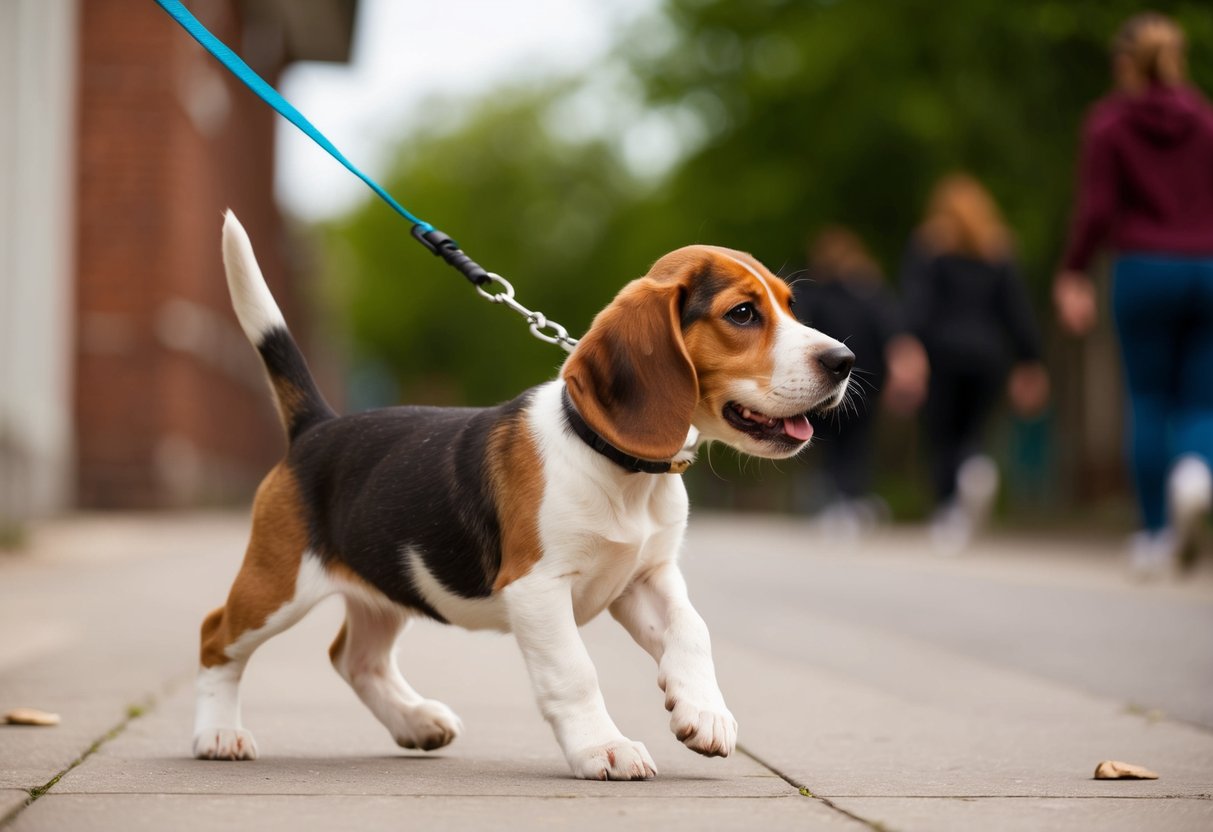
Beagles are energetic dogs with a high energy level. Meeting their exercise and activity needs is essential for their happiness and health. Two key areas to focus on are physical stimulation and mental engagement.
Physical Stimulation
Beagles require regular physical exercise to keep them healthy and satisfied. An adult beagle needs about 60 to 90 minutes of exercise each day. For puppies, a good rule is 5 minutes of walking for every month of their age, up to twice a day.
You can provide exercise through various activities, such as:
- Walking: Daily walks are crucial. Aim for longer walks as your puppy grows.
- Playtime: Engage in activities like fetch or tug-of-war to burn energy.
- Tracking: Use a beagle’s strong sense of smell. Hide treats for them to sniff out.
Providing these activities helps improve their physical strength and keeps them from becoming bored.
Mental Engagement
In addition to physical exercise, beagles need mental stimulation. This breed is curious and smart, so you should challenge their minds regularly.
You can promote mental engagement by:
- Puzzle toys: Invest in toys that require your beagle to solve problems to access treats.
- Training sessions: Teach new commands or tricks. Short, fun sessions are ideal for keeping their attention.
- Interactive games: Engage in hide-and-seek where you hide, and they find you or a toy.
These activities can enhance their ability to think and solve problems, preventing unwanted behaviors caused by boredom.


